

When 3D printer profiles become a tangled mess, AI can clean them up
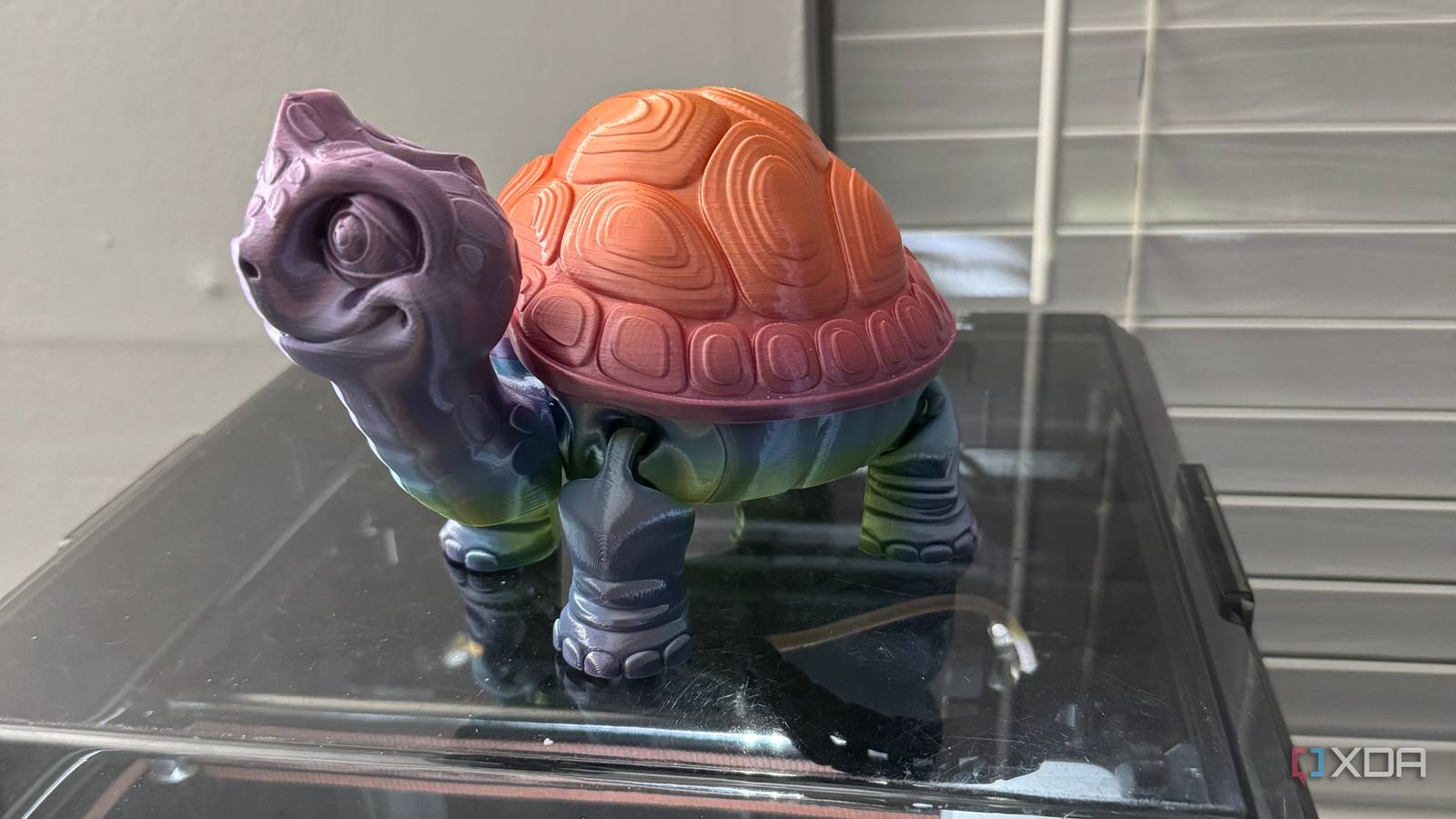
Anyone who has spent months—or years—tinkering with a 3D printer knows how quickly slicer profiles can spiral out of control. What starts as a few carefully named presets soon becomes a digital attic of half-remembered settings, copied fixes, and experiments that never got deleted. The files still work, the prints still come out, but confidence in what any profile actually does has quietly evaporated.
A hidden layer of confusion in every print job
The issue isn’t that profiles stop functioning. It’s that they stop making sense. Some might be leftover attempts to solve a specific problem that was later resolved another way. Others could be duplicates created in haste, or presets borrowed from a forum thread that no longer applies to the current filament or nozzle size. Over time, the original intent behind each profile fades, leaving users to guess which one to use—and whether it will actually produce the desired result.
AI steps in as the new curator
Recent experiments suggest that AI coding assistants can step in where human memory falls short. By analyzing a collection of slicer profile files, the tool can identify inconsistencies, flag duplicates, and even suggest clear labels based on the actual settings inside. The result isn’t just tidier files—it’s a return to confidence. When profiles reflect what they claim to represent, troubleshooting becomes faster, and the risk of printing with the wrong settings drops significantly.
For anyone managing multiple printers or frequently switching materials, this kind of cleanup can feel like reclaiming lost control. It may not be glamorous work, but in a hobby or profession where precision matters, a little digital housekeeping can go a long way.
Source: XDA Developers. AI-assisted editorial synthesis — TechnoExpress.