

20 Years of PC Building: 4 Cringe-Worthy First-Time Mistakes
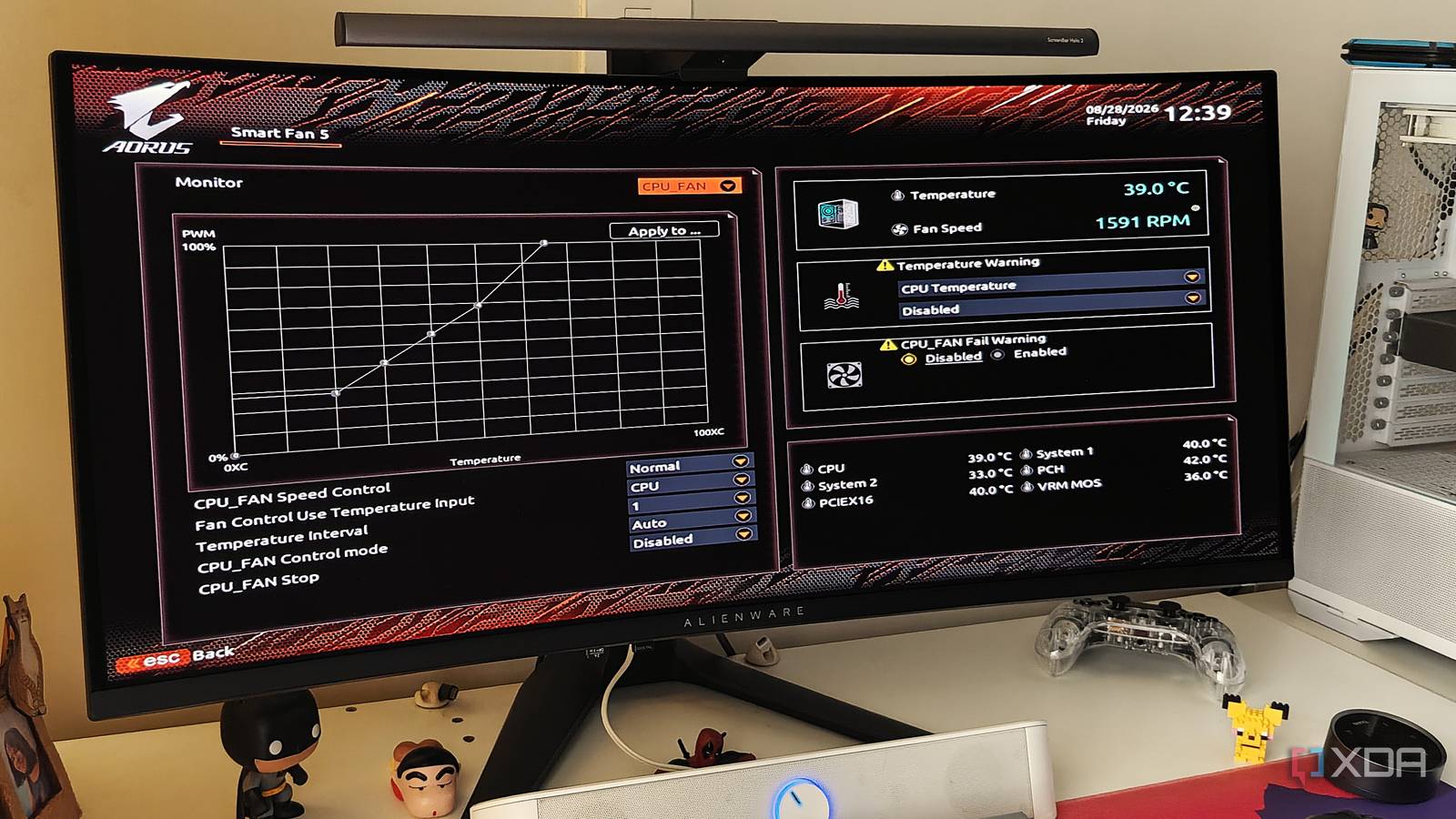
Two decades ago, in 2007, one tech enthusiast decided to leave the safety of pre-built PCs behind and dive into the world of custom builds. Their first attempt, powered by an Intel Core 2 Duo E7300, was meant to be a step forward—yet it became a lesson in what not to do.
The journey began seven years after receiving an HP pre-built with a Pentium III processor. The upgrade to a Core 2 Duo was ambitious, but ambition didn’t prevent four glaring errors. First, the builder admitted to selecting a motherboard that lacked the necessary power delivery for the chosen CPU, leaving performance throttled. Then came the RAM misstep: incompatible modules that refused to work together, forcing a last-minute shopping spree. A missing standoff screw under the motherboard led to a short circuit, and finally, a case fan installed backward turned the airflow into a gentle breeze in the wrong direction.
A Rite of Passage for Many Builders
These kinds of mistakes aren’t unique. Countless first-time builders have discovered that component compatibility isn’t always as straightforward as checking a spec sheet. The Core 2 Duo era was especially tricky, with socket types, chipset limitations, and power requirements evolving quickly. Choosing the wrong motherboard chipset or overlooking BIOS updates could easily derail a build. The author’s experience underscores a universal truth: even in 2007, DIY PC building required patience, research, and a willingness to troubleshoot.
Beyond the Build: Lessons in Patience and Planning
The real cost of these blunders wasn’t just time or money—it was confidence. A failed boot cycle or a fried component can shake a newcomer’s belief in their ability to tinker successfully. Yet, as the author reflects, those early failures laid the foundation for future success. Today’s builders benefit from decades of community knowledge, compatibility databases, and tool-assisted part selection. Still, the core challenge remains: matching ambition with preparation.
Why it matters
For anyone considering their first custom PC, this story is a reminder that mistakes are part of the process—but they don’t have to be permanent. The key takeaway? Double-check every spec, read the manual, and don’t rush the build. The tech community thrives because of shared failures as much as shared wins. Whether in 2007 or 2024, the path to a smooth build still begins with one careful step: verifying compatibility.
Source: XDA Developers. AI-assisted editorial synthesis — TechnoExpress.