

AMD’s chance to break Nvidia’s GPU dominance with AI shift
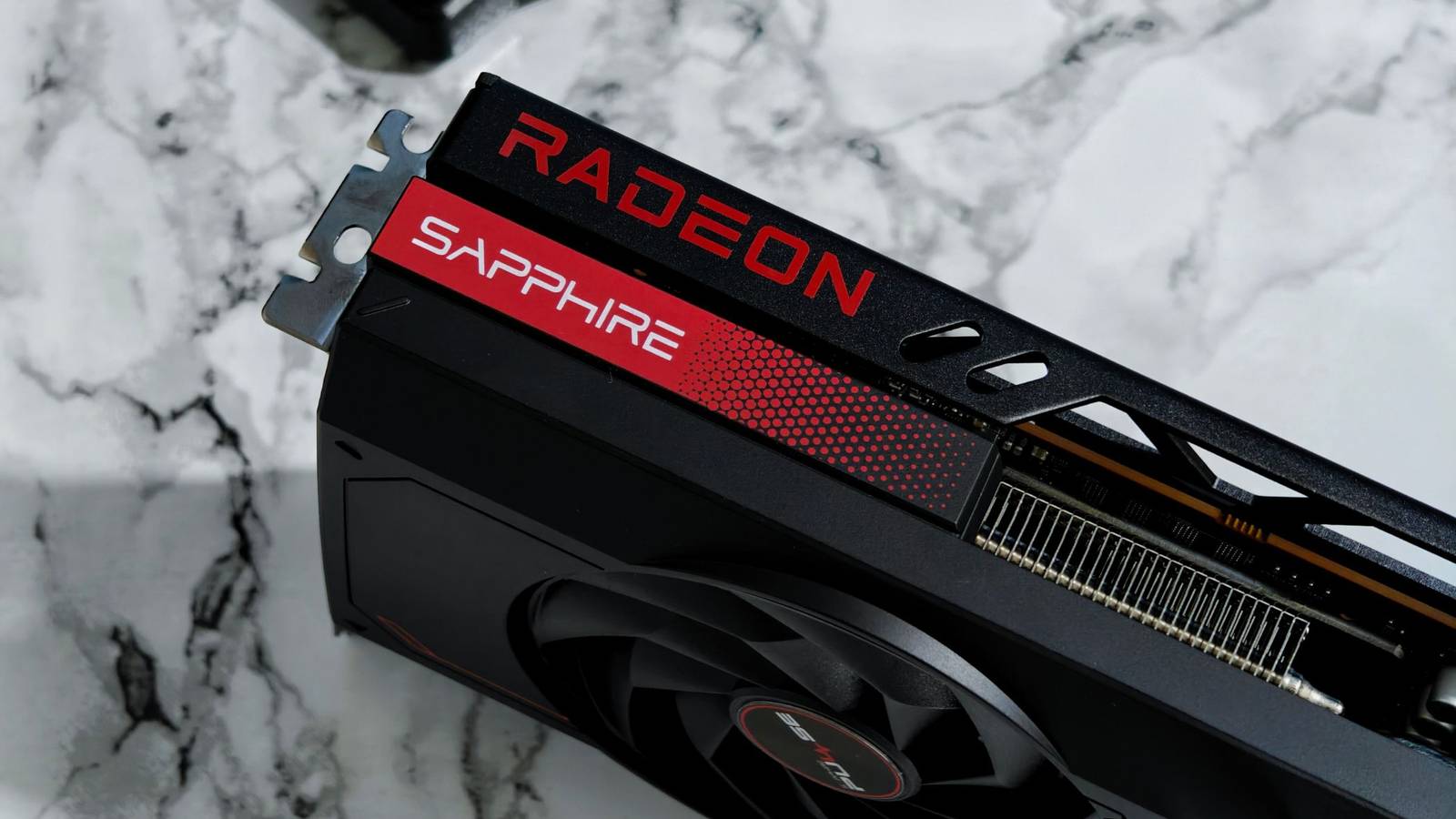
After years of playing second fiddle to Nvidia’s GeForce ecosystem, AMD’s Radeon lineup is poised for a rare moment in the spotlight—provided it seizes the opportunity. The backlash against Nvidia’s DLSS 5, fueled by both gamers and developers, has created an opening for Radeon’s software stack to step into the breach.
The controversy around Nvidia’s neural rendering approach isn’t new, but the tide of frustration appears to be reaching a breaking point. Gamers have criticized DLSS 5 for inconsistent performance and visual artifacts, while developers have voiced concerns over integration complexity and platform lock-in. This dissatisfaction could weaken Nvidia’s traditional software advantage, a moat that has long justified higher GeForce prices and swayed buyers away from AMD’s Radeon cards.
What’s driving the shift?
At the heart of the issue is Nvidia’s aggressive push into AI-driven upscaling, which prioritizes cutting-edge neural networks over compatibility and stability. While the company argues this approach future-proofs its GPUs, many users and creators have found the trade-offs unacceptable. Radeon, meanwhile, has doubled down on FSR (FidelityFX Super Resolution), a more transparent and open alternative that supports a wider range of hardware without mandatory AI dependencies. For gamers tired of tinkering with black-box solutions, this simplicity is becoming a selling point.
The hardware angle
AMD’s next-generation GPUs are rumored to integrate more AI-accelerated features, but the company seems determined to avoid Nvidia’s pitfalls. By focusing on performance-first upscaling and backward compatibility, Radeon could appeal to both enthusiasts and mainstream users who value reliability over experimental tech. If AMD executes this strategy well, it might not just close the performance gap—it could redefine what gamers expect from GPU software.
Why it matters
This moment isn’t just about one upscaling tech versus another; it’s a test of whether AMD can translate frustration into market share. If Radeon’s ecosystem gains traction, it could force Nvidia to reconsider its software strategy—or risk ceding ground to a more flexible competitor. For PC gamers, the stakes are clear: a duopoly with real choice, not just marketing hype.
Source: XDA Developers. AI-assisted editorial synthesis — TechnoExpress.