

AMD revives Ryzen 7 5800X3D—what it means for PC users
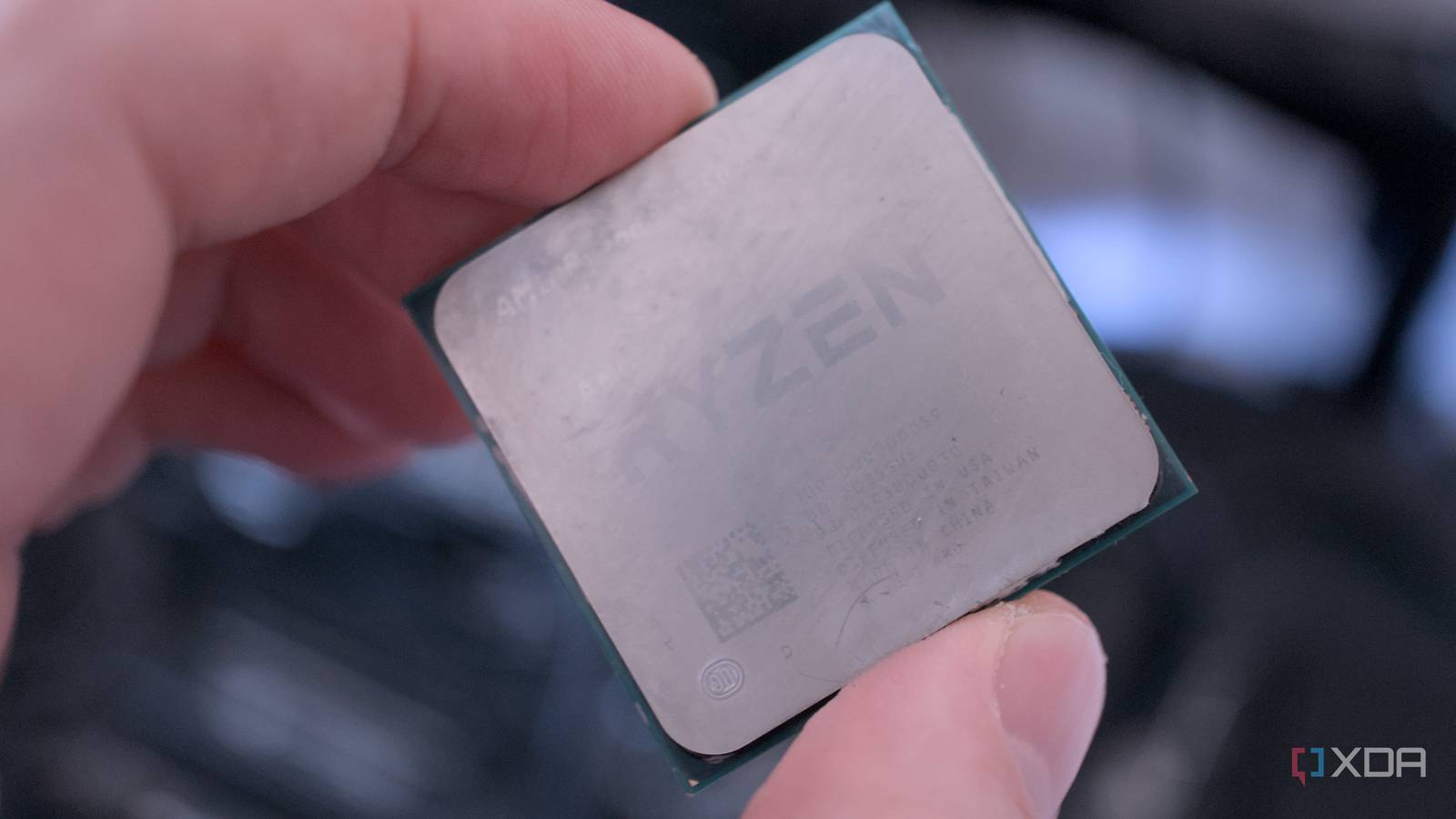
For decades, the PC industry has thrived on the idea that each new CPU generation demands a fresh investment in hardware. New sockets, memory standards, and motherboards have long been framed as necessary steps toward progress. Yet AMD’s decision to revive the Ryzen 7 5800X3D in 2026 flips that script, signaling a shift in how we view upgrades—and what it might say about the state of desktop computing.
A break from tradition
The Ryzen 7 5800X3D, first released in 2021, was already a standout for its 3D V-Cache technology, which boosted gaming performance without a major power draw. Now, its return years later suggests that AMD sees value in reusing proven designs rather than pushing for constant architectural changes. This isn’t just about supply—it’s a signal that innovation in desktop CPUs may no longer follow a linear path of annual upgrades.
What it means for users and the market
For PC enthusiasts, the revival could mean more affordable high-performance options without the need for a full system overhaul. But it also raises concerns: if older chips can be reintroduced with minimal changes, does that imply that newer generations aren’t delivering enough meaningful gains to justify their cost? The industry’s reliance on frequent upgrades may be waning, and consumers could soon face a market where patience—or waiting for a second life for older parts—becomes a smarter strategy.
A sign of slower innovation?
The move hints at a potential slowdown in desktop CPU advancements, where incremental updates and recycling of existing tech take precedence over groundbreaking leaps. While this could benefit budget-conscious builders, it also underscores a broader question: if the best options aren’t always the newest, what does that mean for the future of PC performance?
Source: XDA Developers. AI-assisted editorial synthesis — TechnoExpress.