

KDE Plasma animations restored on Nvidia after two-year hiccup
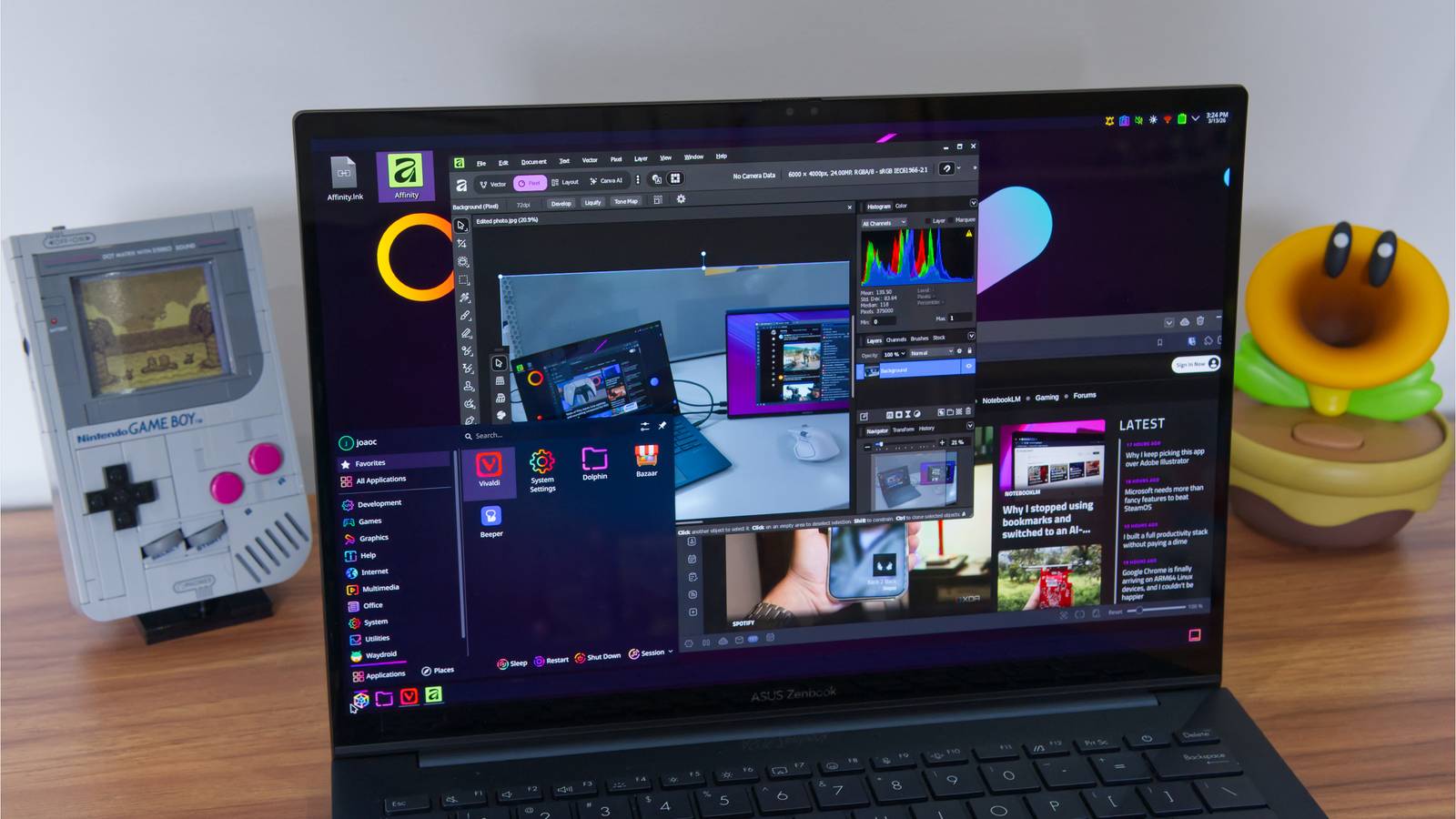
For nearly two years, Nvidia users running KDE Plasma have had to endure choppy animations and stuttering effects on their Linux desktops. The culprit was a bug that disabled triple buffering for Nvidia hardware back in October 2024, leaving many unable to enjoy the desktop’s signature fluid motion. Relief has arrived with the release of Plasma 6.7.3, which now restores smooth performance through a newly implemented fix.
A long-standing frustration for Nvidia users
The issue stemmed from a change in how KDE Plasma handled buffer management on Nvidia GPUs. Triple buffering, a technique that smooths out frame delivery, was inadvertently disabled, leading to visible stuttering during window movements, transitions, and other animations. While the problem didn’t break functionality outright, it made the desktop experience feel sluggish—a stark contrast to the polished performance users expect from KDE Plasma.
How the fix changes things
With Plasma 6.7.3, KDE developers have reintroduced proper triple buffering support for Nvidia cards, effectively resolving the rendering inconsistency. The update requires no manual configuration; users simply need to update their systems to the latest Plasma release. The fix is part of a broader effort to improve GPU compatibility across Linux distributions, ensuring that Nvidia users no longer face second-class support compared to AMD or Intel users.
Why it matters
This fix is more than a technical patch—it’s a return to parity for Nvidia users on Linux. For developers and power users who rely on KDE Plasma for productivity, the difference between choppy and smooth animations can be significant, affecting workflow efficiency and overall satisfaction. While the issue may seem niche, it highlights the ongoing challenge of maintaining consistent hardware support in open-source ecosystems. Now that it’s resolved, Nvidia users can finally experience KDE Plasma as intended, without workarounds or compromises.
Source: XDA Developers. AI-assisted editorial synthesis — TechnoExpress.