

Raspberry Pi-powered camera captures lightning autonomously
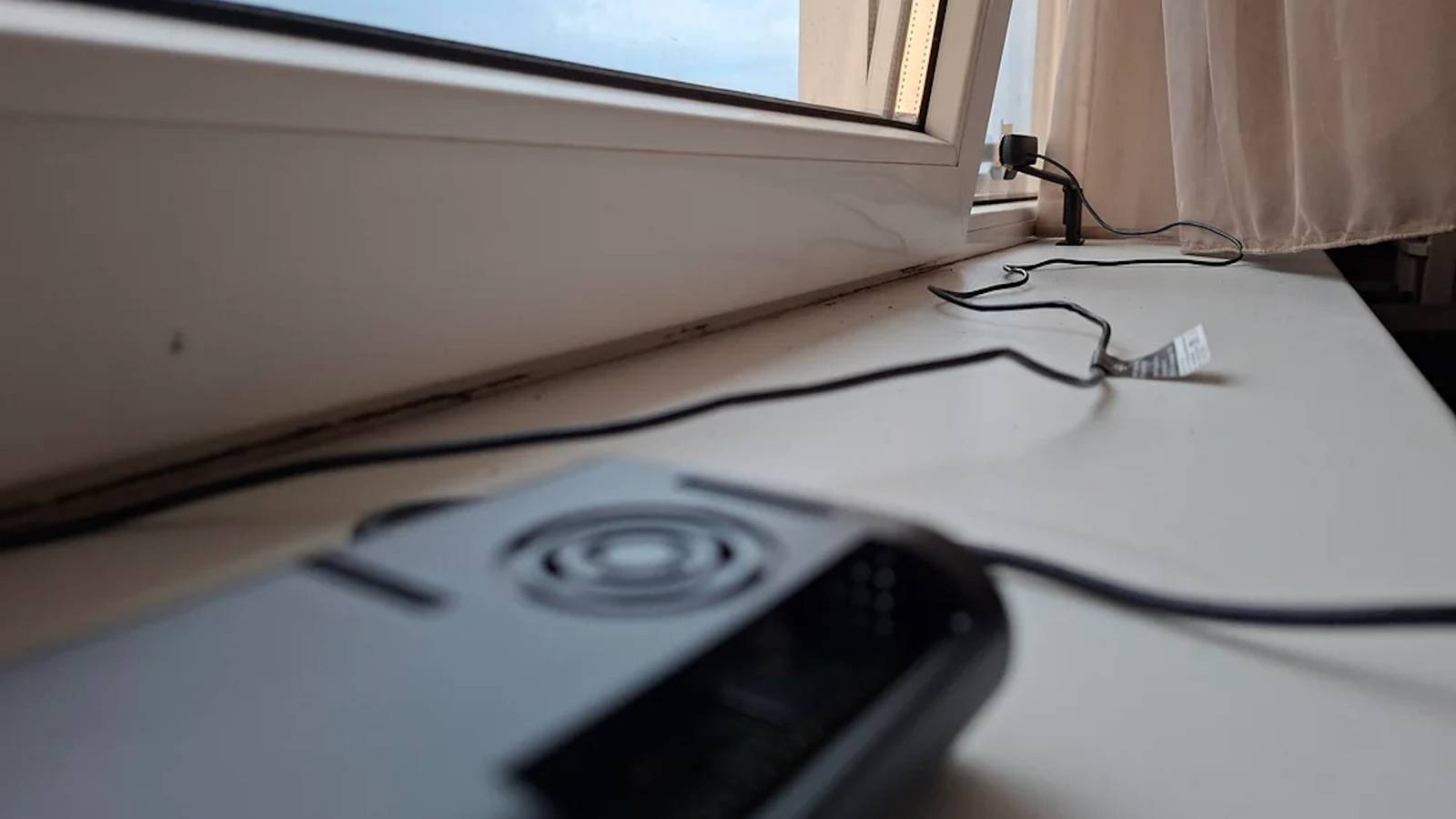
Imagine being able to photograph lightning strikes without ever having to press a shutter button. That’s exactly what one innovative project has made possible using a Raspberry Pi and a few clever components. Instead of relying on luck or quick reflexes, the setup detects the flash of lightning and triggers the camera automatically—capturing the perfect shot every time.
How it works
The system combines a Raspberry Pi with a light sensor and a camera module. When the sensor detects the sudden burst of light from a lightning strike, it sends a signal to the Raspberry Pi, which then immediately activates the camera. The entire process happens in a fraction of a second, ensuring the camera is ready to capture the moment before it fades. This eliminates the need for constant monitoring and manual intervention, making it ideal for photographers who want to focus on composition rather than timing.
Why this matters
While lightning photography is visually stunning, it’s notoriously difficult to get right without the right equipment. Traditional methods often require photographers to sit for hours, waiting for the perfect strike—only to miss it due to a delayed reaction. This DIY solution not only simplifies the process but also increases the chances of capturing rare and fleeting moments. It’s a great example of how accessible technology, like the Raspberry Pi, can be repurposed to solve real-world challenges in creative fields.
For those interested in trying it out, the project’s creator has shared the necessary components and code, making it a feasible build for enthusiasts with some technical know-how. Whether you're a seasoned photographer or just someone who loves experimenting with tech, this lightning-triggered camera offers a fun and practical way to explore the intersection of nature and automation.
Source: XDA Developers. AI-assisted editorial synthesis — TechnoExpress.