

How AI rebuilt a Nokia 3310 classic—and why it matters
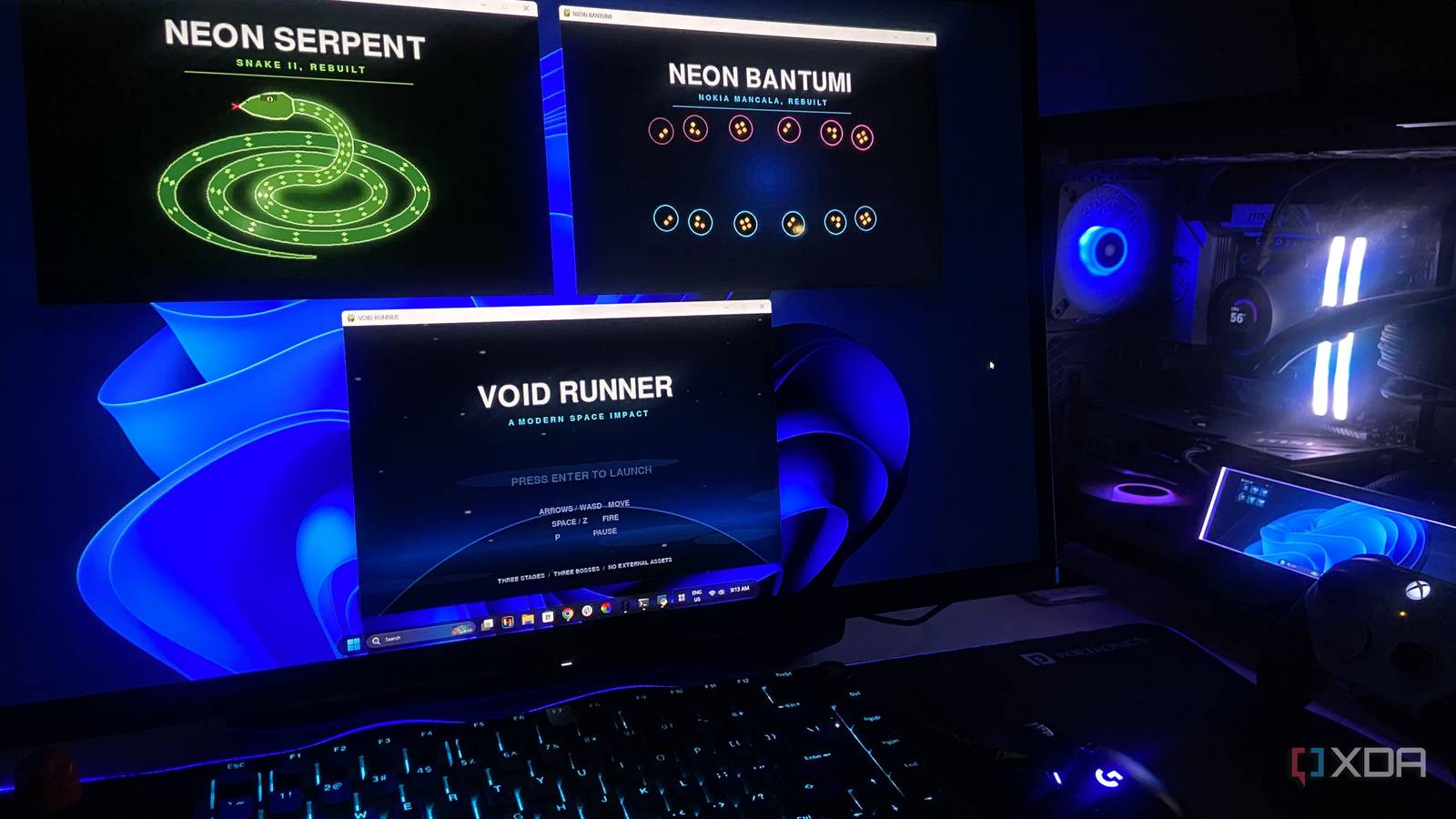
In a striking experiment, one tech writer turned to AI not to chase futuristic feats, but to revisit the past—specifically, the games of a phone that defined an era. Using a modern AI assistant, they rebuilt Snake and Pairs from the original Nokia 3310, uncovering lessons hidden in two decades of code.
A lesson in restraint
The Nokia 3310 shipped in the year 2000 with a handful of built-in games that ran on hardware the size of a postage stamp. Today, those games feel almost impossibly efficient: no bloated assets, no loading screens, just pure gameplay. When the writer fed the AI a vague prompt—“rebuild Snake in the style of the Nokia 3310”—the model didn’t just spit out a clone. It recreated the pixel-perfect simplicity, the subtle screen-edge collision logic, and even the way the snake’s tail lagged behind its head. What stood out wasn’t the AI’s ability to mimic, but its inability to improve on the original’s elegance without breaking the spirit of the game.
Code from a different age
The original developers worked under tight constraints: 32 kB of RAM, a 84×48 monochrome display, and a processor running at less than 10 MHz. Every byte counted. When the AI attempted to add modern conveniences like pause menus or high-score clouds, the result felt heavy and slow. The lesson wasn’t technical—it was cultural. Those developers weren’t just coding; they were sculpting experiences within a silicon cage, turning limitations into strengths. Their work survives not because it was powerful, but because it was precise.
What legacy looks like
This isn’t just nostalgia bait. It’s a reminder that software quality isn’t measured in megapixels or gigahertz. The Nokia 3310 games endure because they were built for people, not processors. AI can reconstruct them, but it can’t replicate the mindset that made them timeless.
Why it matters
The exercise reveals a quiet truth about modern development: speed and scale often dilute craftsmanship. When AI can recreate classic software with minimal input, it forces us to ask what we’re optimizing for—and whether our current tools are making us better or just busier. For developers, the takeaway is simple: constraints breed creativity, and sometimes the best code is the code you can’t afford to change.
Source: XDA Developers. AI-assisted editorial synthesis — TechnoExpress.