

Cursor’s AI value shines when you stop relying on it
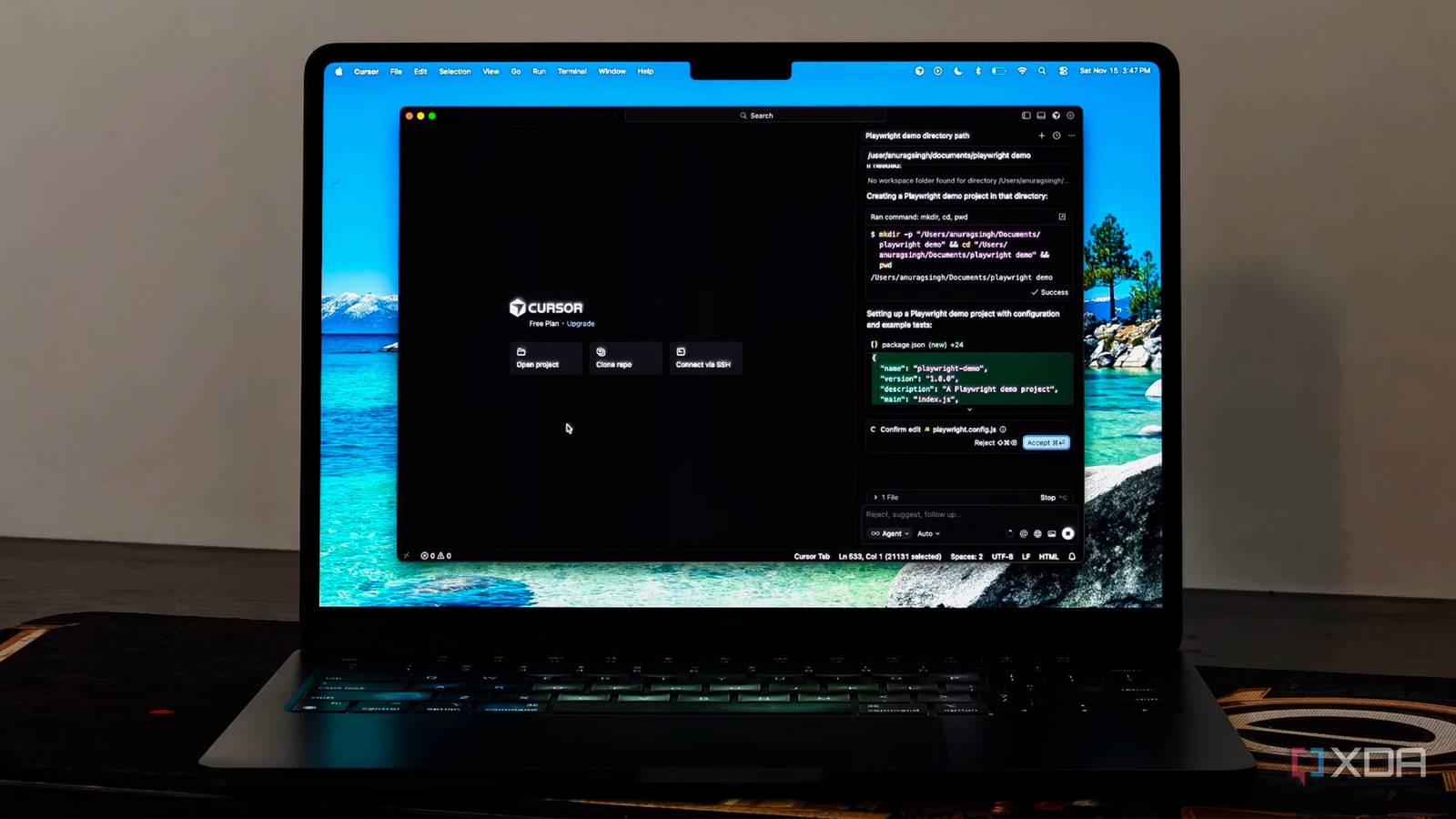
AI coding tools have surged in popularity, promising to automate workflows and supercharge productivity. Among the standout names is Cursor, an editor packed with features that can generate code, refactor functions, and even explain complex snippets. Yet, as one developer discovered, its true strength emerges not when it’s treated as a crutch, but when it’s used as a secondary assistant.
The shift from primary to assistant
Cursor’s capabilities are undeniable—it can write entire functions from a prompt, debug with context, and maintain consistency across large codebases. However, the tool’s most compelling use case isn’t replacing human judgment. Instead, it excels when developers leverage it for targeted suggestions, leaving the architectural decisions and critical logic to human oversight. This approach transforms AI from a shortcut into a genuine collaborator, reducing blind spots and improving code quality.
Why stepping back improves results
The initial temptation is to lean on Cursor for rapid code generation, especially when deadlines loom. Yet, the moment developers start treating it as an autocomplete on steroids, they risk inheriting subtle bugs or inefficient patterns. By using Cursor sparingly—perhaps for boilerplate, documentation, or edge-case debugging—developers can harness its speed without compromising control. The result is cleaner, more maintainable code that still benefits from AI’s efficiency.
For teams exploring AI-assisted development, Cursor’s lesson is clear: treat it as a tool, not a replacement. The best outcomes come when developers guide the process, using AI to augment—not automate—their expertise.
Source: XDA Developers. AI-assisted editorial synthesis — TechnoExpress.