

Ransomware Freezes Japan’s Frozen Food Supply Chain
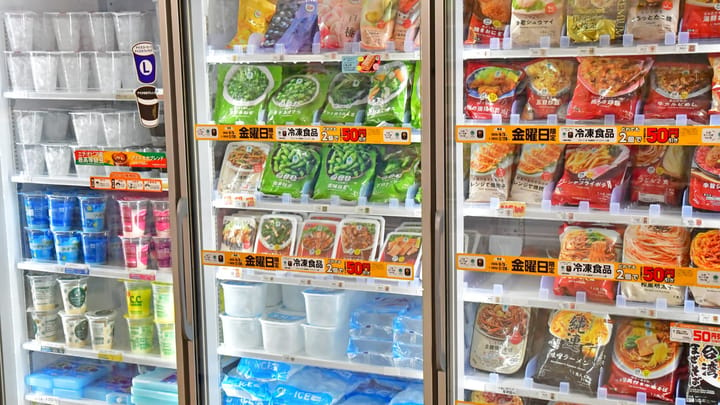
A ransomware attack on a leading Japanese frozen food and logistics company has left thousands of restaurants, convenience stores, and supermarkets scrambling for supplies. The incident knocked out critical systems that manage orders, inventory, and distribution, temporarily halting deliveries to major franchises such as Kentucky Fried Chicken. While the company has not disclosed the strain used or the ransom demand, the disruption underscores the growing risk of cyberattacks targeting food supply chains.
A supply chain under pressure
The attack hit a firm responsible for transporting and distributing frozen foods across Japan, a country where just-in-time logistics are the backbone of food service and retail. Affected clients include fast-food chains, convenience stores, and regional supermarkets that rely on precise delivery schedules. Reports indicate that some locations have already experienced shortages or delays, though the full extent remains unclear as the company works to restore systems.
The human and operational cost
Behind the technical failure are real-world consequences: restaurant managers scrambling to adjust menus, store clerks facing empty shelves, and consumers noticing gaps in frozen food aisles. Logistics teams are reportedly rerouting shipments manually, adding hours to delivery times and increasing costs. Industry analysts warn that even short outages in cold-chain logistics can lead to significant food waste, given the perishable nature of frozen goods.
Why it matters
This incident illustrates how a single cyberattack can ripple through an entire supply chain, disrupting businesses far beyond the targeted company. For food service operators and retailers, the episode highlights the need for robust backup systems and cyber resilience plans. It also serves as a reminder that ransomware is no longer just an IT problem—it’s an operational and financial threat with direct consequences for daily commerce.
Source: Dark Reading. AI-assisted editorial synthesis — TechnoExpress.