

ESP32 display gets a fresh LLM-powered screen for every question
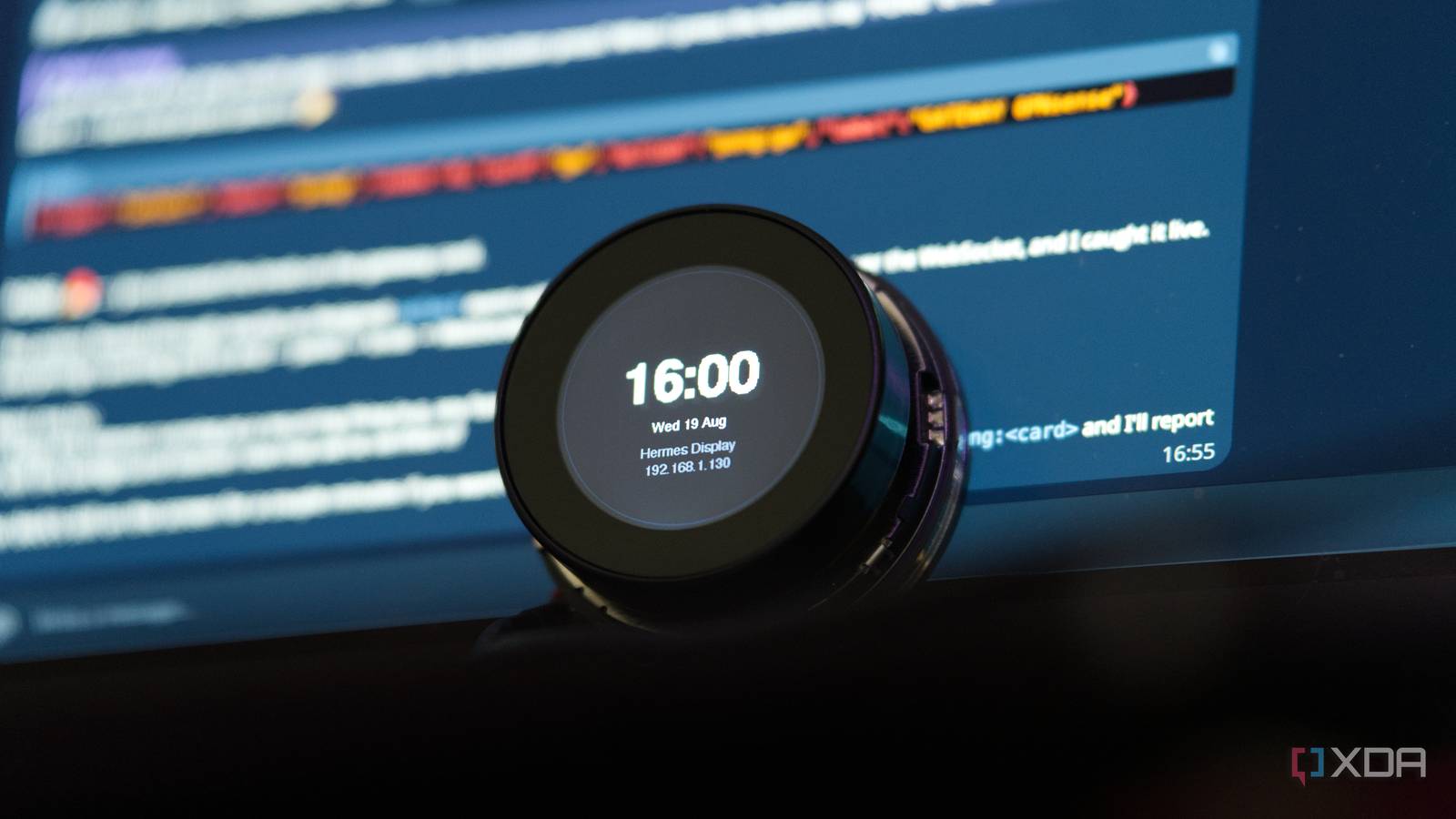
A $30 ESP32 board and a small screen are now enough to summon a different user interface for every question you ask—no cloud required. By pairing a local large language model with an off-the-shelf display, one developer has turned a static smart screen into a dynamic canvas that redraws itself on the fly. The result is a device that no longer locks you into the usual clock, weather and calendar loops.
Beyond the cookie-cutter smart display
Most off-the-shelf smart displays ship with a fixed set of layouts chosen by their makers: a clock here, a forecast there, maybe a calendar widget. Once you’ve cycled through the options, you’re stuck with the same screens unless you accept firmware updates that rarely arrive. This project flips that model by letting the ESP32 ask a local LLM what to show next and render it directly on the display, turning a single-purpose gadget into a blank slate that can adapt to new queries without touching the cloud.
How it works in practice
The setup is straightforward: an ESP32 board drives a low-cost e-ink or LCD panel, while a quantized LLM runs on the same microcontroller. When a user types or speaks a question, the ESP32 forwards it to the local model, receives rendered UI instructions in return, and draws the new screen in seconds. Because the LLM lives on-device, latency stays low and privacy improves—no streaming to remote servers, no monthly fees, and no risk of data exposure.
What this means for makers and users
For hobbyists, the barrier to building truly personal devices just dropped. Instead of picking from pre-made templates, anyone can now code a lightweight prompt or use voice input to generate exactly the interface they want in the moment. For privacy-conscious users, the trade-off between convenience and data control is suddenly less stark: high-level AI behavior without surrendering queries to the cloud.
Why it matters
This isn’t just another mod that swaps icons on a fixed dashboard—it redefines what a “smart display” can be. By moving the intelligence onto the microcontroller, the project shows how embedded LLMs can turn inexpensive hardware into flexible, evolving tools rather than locked-down appliances. For the industry, the takeaway is clear: if a $30 board can host a dynamic UI engine today, tomorrow’s low-cost devices may ship with blank screens and let users—or their local AI—fill them in.
Source: XDA Developers. AI-assisted editorial synthesis — TechnoExpress.