

Docker-based PDF editors: a lightweight alternative to Adobe Acrobat?
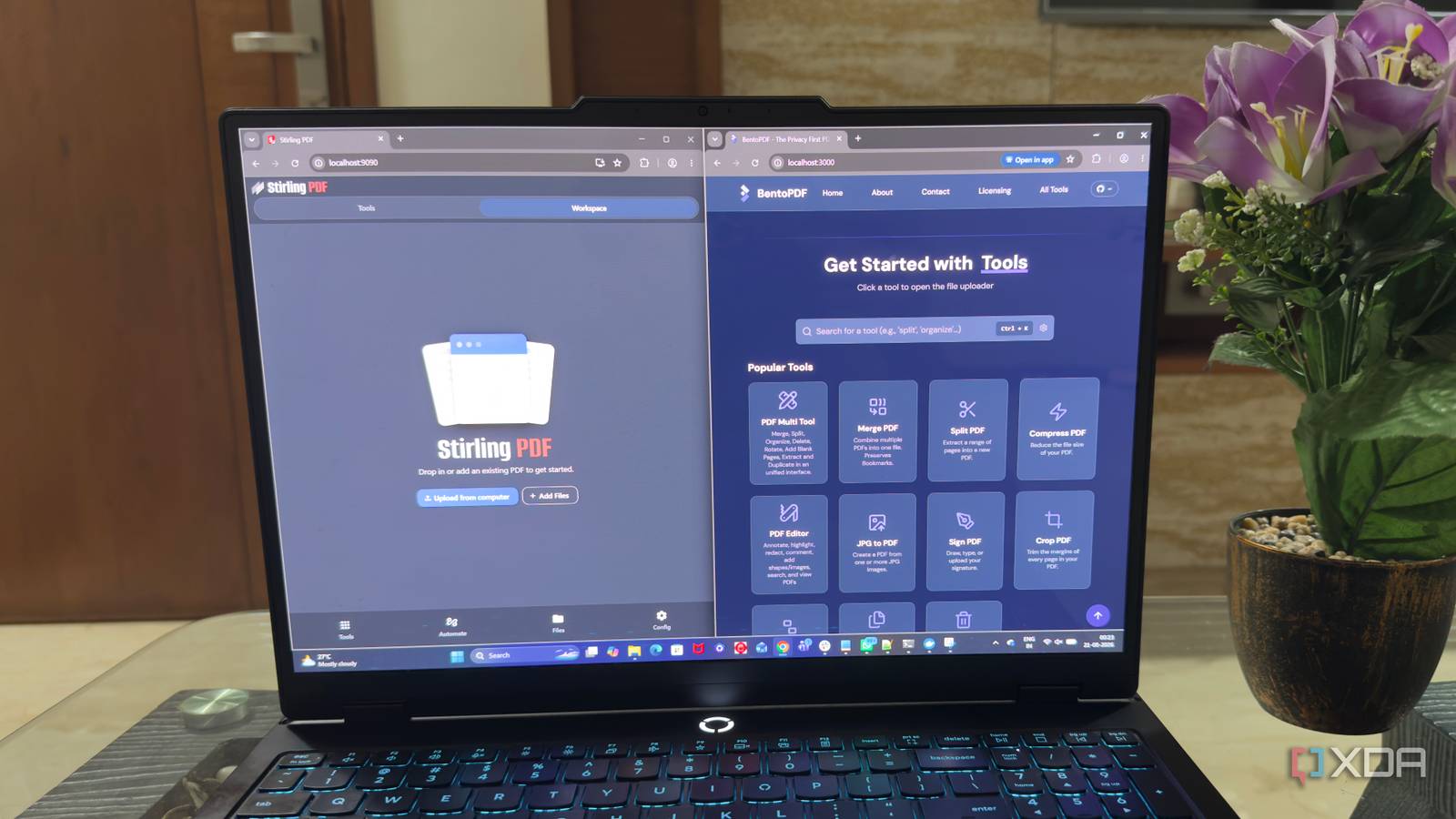
Adobe Acrobat has long dominated the PDF space, but its hefty footprint may no longer be justified for routine tasks. Two Docker-based editors recently tested by a tech reviewer suggest a lighter approach is possible—one that could spare users the bloat of traditional desktop software.
A leaner workflow without sacrificing function
The experiment pitted two containerized PDF editors against daily needs like viewing, annotating, and merging files. Both ran in isolated Docker environments, avoiding the resource drain of full-fledged applications. Yet only one impressed the reviewer with a balance of simplicity and capability. The other fell short on usability, proving that not all containerized tools are created equal.
Why containerization matters
Running PDF tools in Docker addresses a common pain point: installing yet another resource-hungry program just to handle occasional edits. For users already comfortable with containers, this method can streamline workflows while keeping systems tidy. It also hints at a broader trend—software doesn’t need to live on the desktop to be useful, especially when cloud-optional alternatives exist.
Why it matters
For users tired of Adobe Acrobat’s overhead, Docker-based editors offer a practical middle ground. The test results suggest that lightweight, containerized tools can handle day-to-day PDF work without sacrificing features. The bigger takeaway? The future of desktop software may increasingly lean on containerization to deliver functionality without the traditional baggage.
Source: XDA Developers. AI-assisted editorial synthesis — TechnoExpress.