

Kaspersky Zero-Day Exploit Leaves Windows 11 Vulnerable
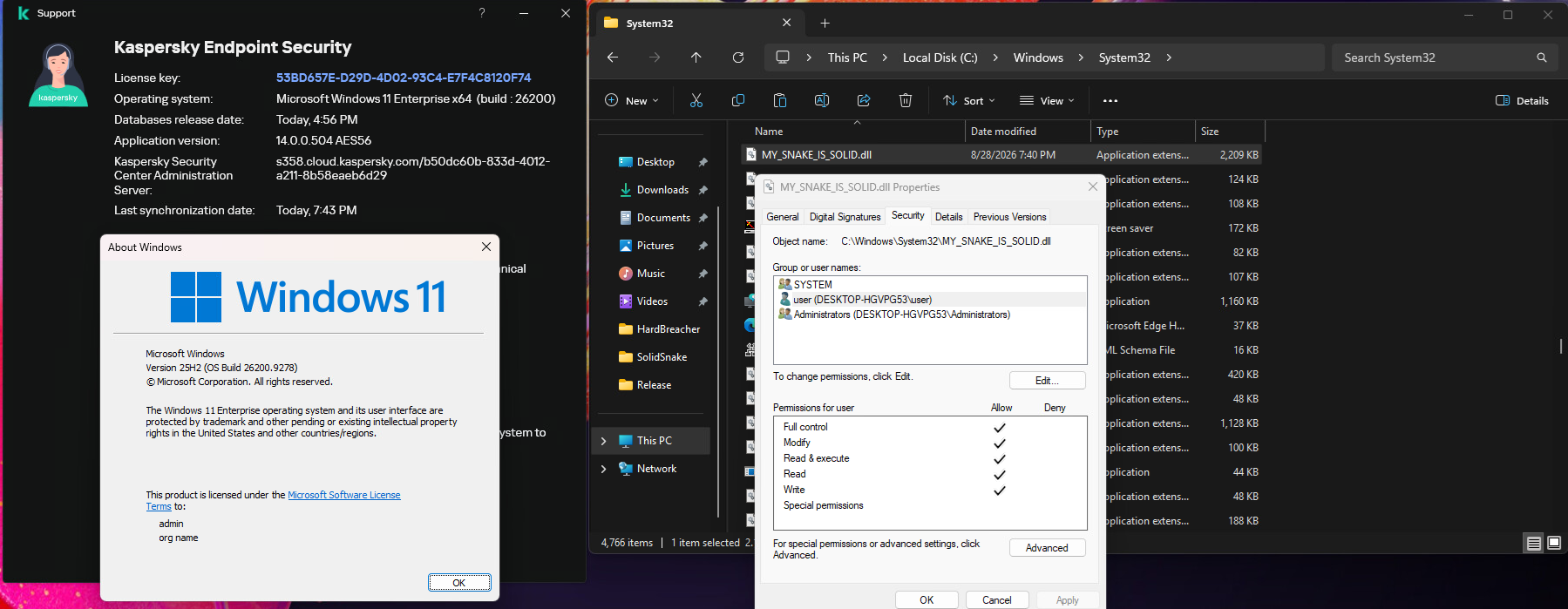
A new zero-day exploit targeting Kaspersky Endpoint Security has surfaced, demonstrating how a fully patched Windows 11 25H2 system running the latest antivirus version can still be compromised. Security researcher Chaotic Eclipse—known for releasing proof-of-concept exploits for Microsoft products—has published HardBreacher, a fragile but functional tool that triggers a privilege escalation flaw in Kaspersky’s software.
When Antivirus Becomes a Liability
The exploit, though unstable and prone to failure, reveals a critical vulnerability in how Kaspersky handles user permissions and process control. When successful, HardBreacher drops a specially named DLL into the System32 folder with full user permissions. More troublingly, it can hijack the antivirus’s UI process, causing the entire security suite to malfunction. This interference could allow attackers to bypass file-access restrictions, disrupt system stability, or even turn off protection altogether, leaving the operating system in a precarious state.
Chaotic Eclipse has a history of publicly disclosing zero-days, often after criticizing vendors for slow responses to reported vulnerabilities. His past exploits, such as those targeting Microsoft Defender, have later been weaponized in real-world attacks. In this case, Kaspersky claims the flaw has already been addressed, though the researcher’s release suggests otherwise—or at least highlights gaps in patch deployment or testing.
The Responsible Disclosure Debate
The publication of HardBreacher adds fuel to an ongoing discussion about the ethics of full disclosure. While some argue that releasing PoCs pushes vendors to act faster, others warn that it hands attackers a blueprint for exploitation. This tension is particularly sharp in the antivirus space, where security tools are meant to be the first line of defense—yet can become vectors of compromise when flawed.
Why it matters
This exploit underscores a paradox in cybersecurity: the very tools designed to protect systems can introduce new risks if not rigorously vetted. For enterprise users, it’s a reminder to treat antivirus software as part of a layered defense strategy, not an infallible shield. Vendors, meanwhile, face pressure to not only fix vulnerabilities quickly but to communicate fixes transparently to prevent independent researchers from stepping into the breach. The stakes aren’t just technical—they’re about trust in the security ecosystem itself.
Source: Security Affairs. AI-assisted editorial synthesis — TechnoExpress.