

Fedora vs Ubuntu: Why Fedora wins the long game
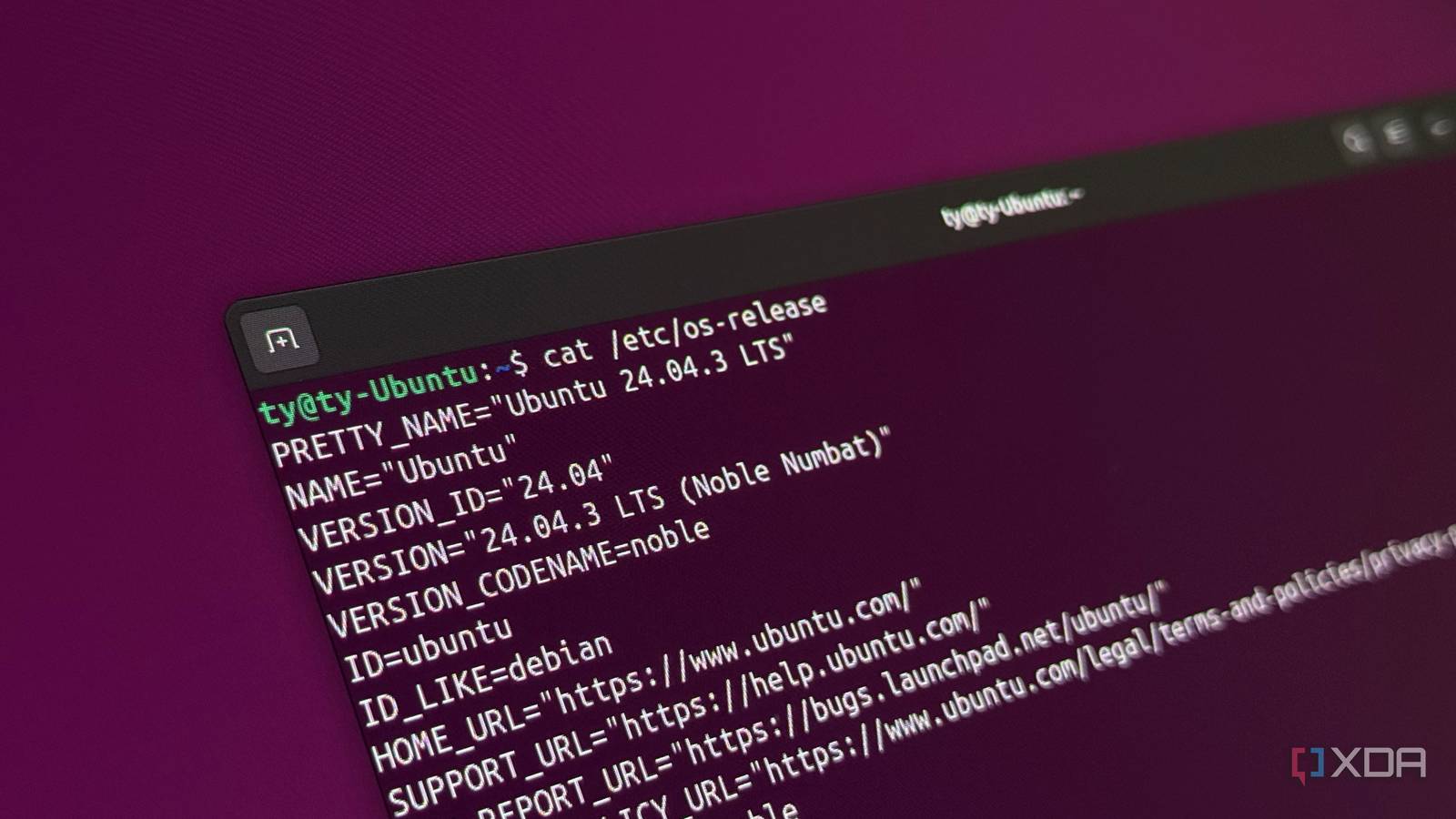
For years, Ubuntu was the default pick for anyone stepping into Linux for the first time. Its polished installer, broad hardware support and friendly branding made it feel like a safe bet. But today, that knee-jerk recommendation is losing steam. More newcomers are choosing Fedora and its spins—workstation, Kinoite, Silverblue—because they offer a cleaner, more up-to-date experience built on the latest upstream software. Ubuntu still clings to the top spot on the desktop, but it’s doing so on the strength of one feature Fedora has no plans to match.
A shift in appeal
Ubuntu’s biggest draw remains its long-term support (LTS) releases, which ship every two years with five years of security updates. That predictability is hard to beat for users and IT teams who need stability above all else. Fedora, by contrast, follows a faster six-month release cycle, pushing newer kernels, drivers and desktop environments to its users almost immediately. For enthusiasts and developers who want the cutting edge, Fedora is the obvious choice. Yet Ubuntu’s LTS cadence still makes it the go-to for schools, offices and anyone wary of frequent upgrades.
Under the hood: two philosophies
Where Ubuntu adds its own tweaks—patched kernels, custom themes, Snap integration—Fedora stays close to upstream projects like GNOME, Wayland and PipeWire. The result is a sleeker, less modified system that behaves more like what upstream developers intended. That approach reduces fragmentation and keeps Fedora aligned with the rest of the Linux ecosystem. Ubuntu’s custom patches, while useful for compatibility, can also introduce delays when new features arrive. For users who value transparency and upstream collaboration, Fedora’s philosophy is increasingly attractive.
Why it matters
The rivalry between Fedora and Ubuntu highlights a deeper trend: Linux is maturing. Newcomers no longer have to choose between ease and modernity. Fedora’s upstream-first model shows what the future of desktop Linux can look like—fresher, more predictable and less encumbered by legacy decisions. Ubuntu’s LTS releases, meanwhile, prove that stability still commands a loyal following. The real winners are users, who now have two strong, distinct paths into the Linux desktop, each tailored to different needs.
Source: XDA Developers. AI-assisted editorial synthesis — TechnoExpress.