

Training AI on server logs: a smarter way to manage infrastructure
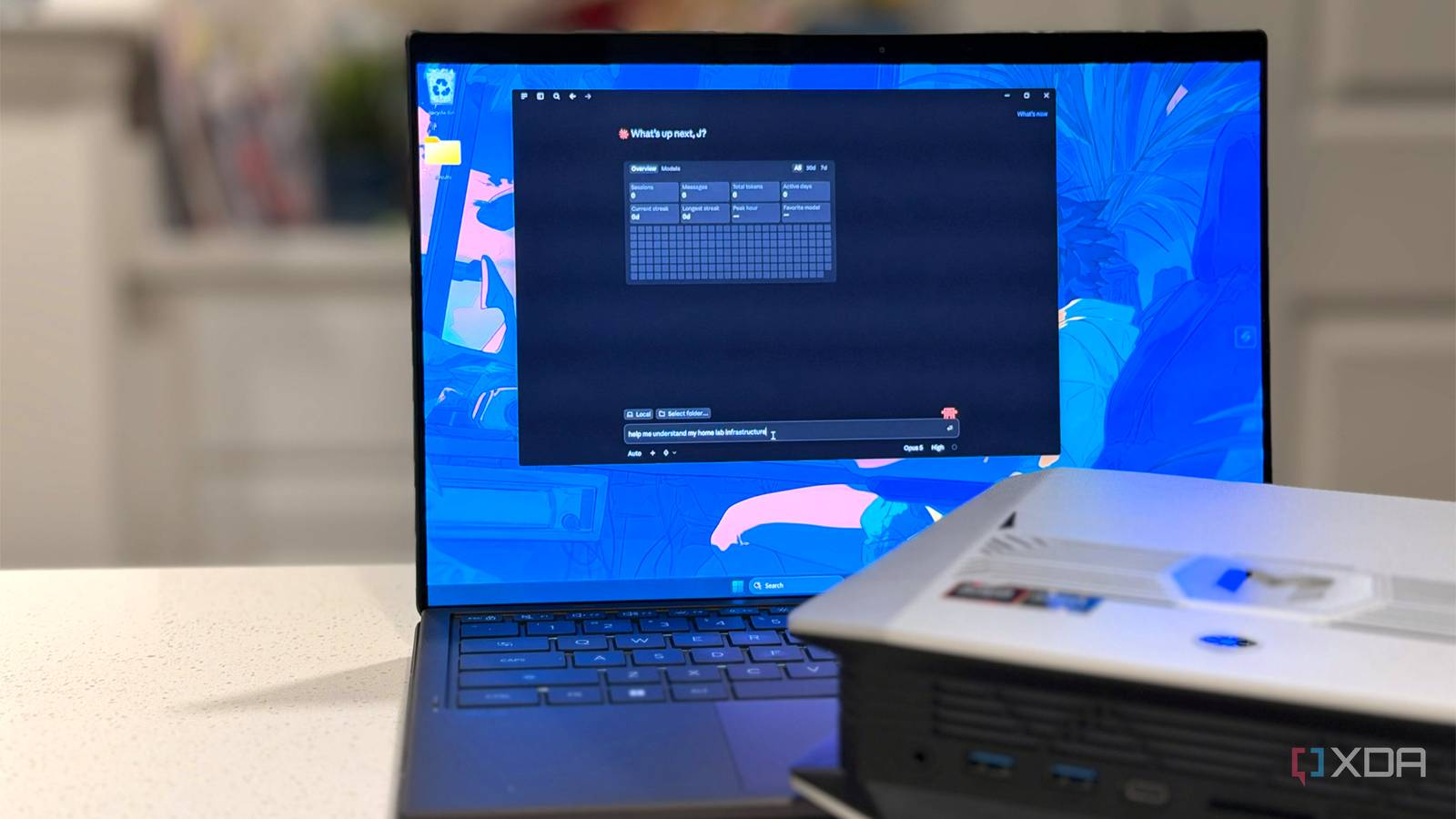
When your home lab quietly hums away, every node logs every cron job, every systemd service start, every network hiccup—thousands of lines of data that vanish into the noise. One tech enthusiast recently found a way to cut through the clutter: feed those logs to an AI model like Claude Code, and suddenly your infrastructure starts speaking back.
The experiment began with simple curiosity. After setting up Proxmox nodes for a home lab, the user realized that two weeks of systemd journals, cron sessions, and timer outputs—normally ignored—contained nuggets of insight. Instead of manually scanning each line, they used an LLM to parse and summarize the logs, transforming raw noise into actionable summaries. The result wasn’t just clarity; it was a first-person view of system behavior, distilled by an AI that learned the rhythms of the lab.
Beyond the noise: turning logs into dialogue
Traditional monitoring tools rely on fixed rules or thresholds, but they can’t contextualize anomalies the way an AI trained on your specific environment can. By feeding historical logs into Claude Code, the model began recognizing patterns unique to this setup—like a cron job that fires too early or a service that restarts more often than expected. That personalized understanding makes troubleshooting faster and less guesswork-driven.
The approach also highlights a growing trend: using AI not just for coding assistance, but for infrastructure intelligence. For home lab enthusiasts, small businesses, or even solo sysadmins, this method could reduce the cognitive load of managing servers. No more scrolling through endless logs or configuring complex alerting systems—just ask the AI what’s happening, and get a concise answer in plain language.
Why it matters
This isn’t about replacing monitoring tools—it’s about augmenting human oversight with AI that learns your environment. For anyone running self-hosted services, the ability to query logs conversationally could lower the barrier to effective infrastructure management. It turns passive data into an interactive asset, and that shift could redefine how we interact with our own systems. The real test will be in scaling this approach: can it handle more complex setups without losing accuracy? If it does, we may soon see a new category of tools—AI-powered log assistants—emerge from the home lab into broader use.
Source: XDA Developers. AI-assisted editorial synthesis — TechnoExpress.