

Google and FBI dismantle massive malicious proxy network NetNut
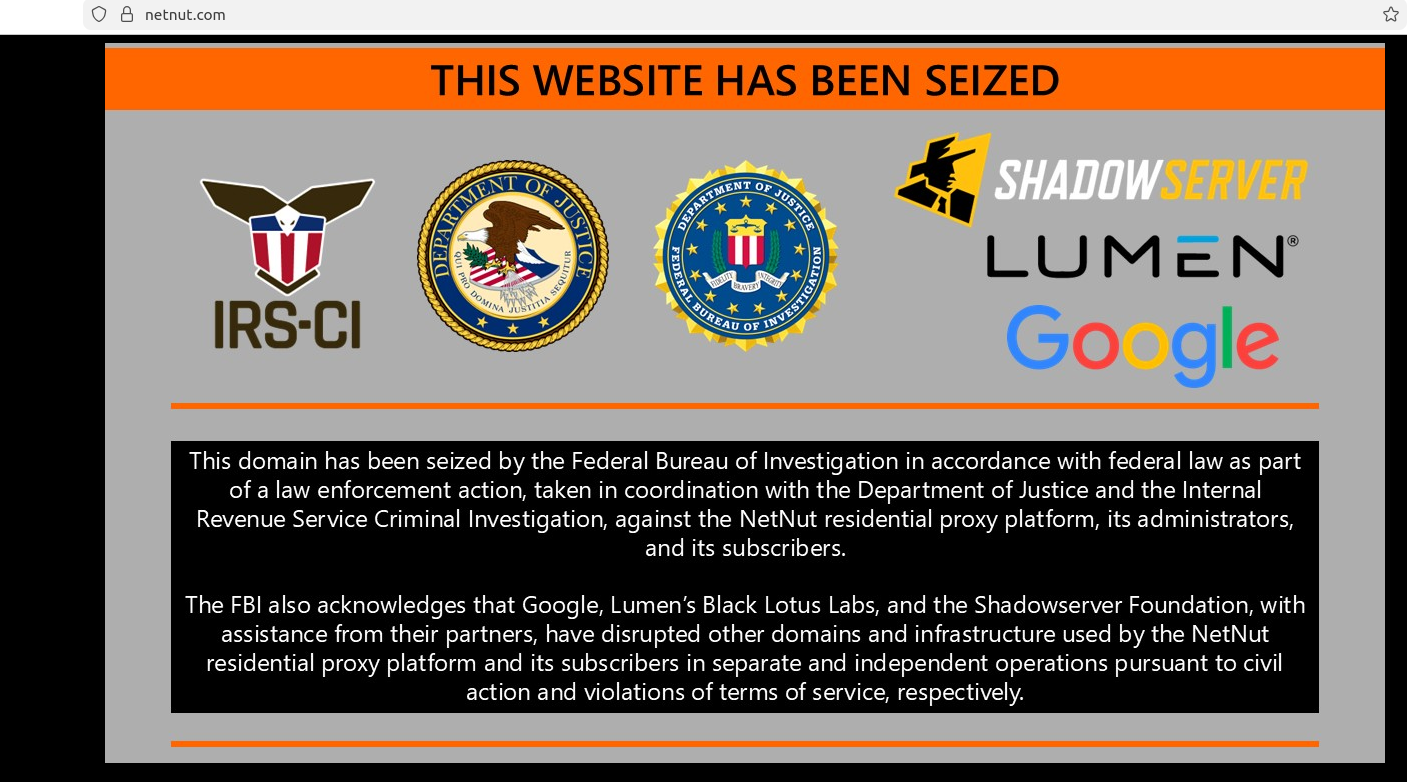
In a coordinated effort, Google and law enforcement agencies including the FBI have disrupted NetNut, one of the world’s largest malicious residential proxy networks. The operation removed millions of compromised devices—such as smart TVs and streaming boxes—that were being used without their owners' knowledge to route internet traffic for cybercriminals.
A network built on hijacked devices
NetNut’s infrastructure relied on approximately two million home devices, which were turned into proxy nodes through malware or deceptive applications. Owners of these devices often had no idea their bandwidth and internet connections were being exploited for activities like fraud, account takeovers, web scraping, and distributed denial-of-service (DDoS) attacks. Cybercriminals and espionage groups used the network to mask their true locations and identities, making it harder to trace malicious activity.
A step forward, but the fight continues
Google emphasized that this disruption, carried out in collaboration with the FBI, Lumen, and others, builds on previous actions against proxy networks like IPIDEA. The company warned users to avoid apps that promise payment for sharing “unused bandwidth,” as these are often fronts for malicious networks. Google also advised downloading apps only from trusted stores, reviewing VPN and proxy permissions, and enabling security features such as Google Play Protect. Users are encouraged to choose reputable, certified devices to reduce the risk of compromise.
While the takedown has significantly weakened NetNut, Google noted that many proxy providers continue to resell the same infrastructure, meaning the threat persists. Cybersecurity experts believe the operation will disrupt cybercriminal operations and reduce abuse linked to large DDoS botnets. NetNut’s parent company, Alarum Technologies, stated it would cooperate with law enforcement, though researchers have disputed claims that users consented to bandwidth sharing.
Source: Security Affairs. AI-assisted editorial synthesis — TechnoExpress.