

ASML’s EUV price hikes spark pushback from TSMC — but the bill will land industry-wide
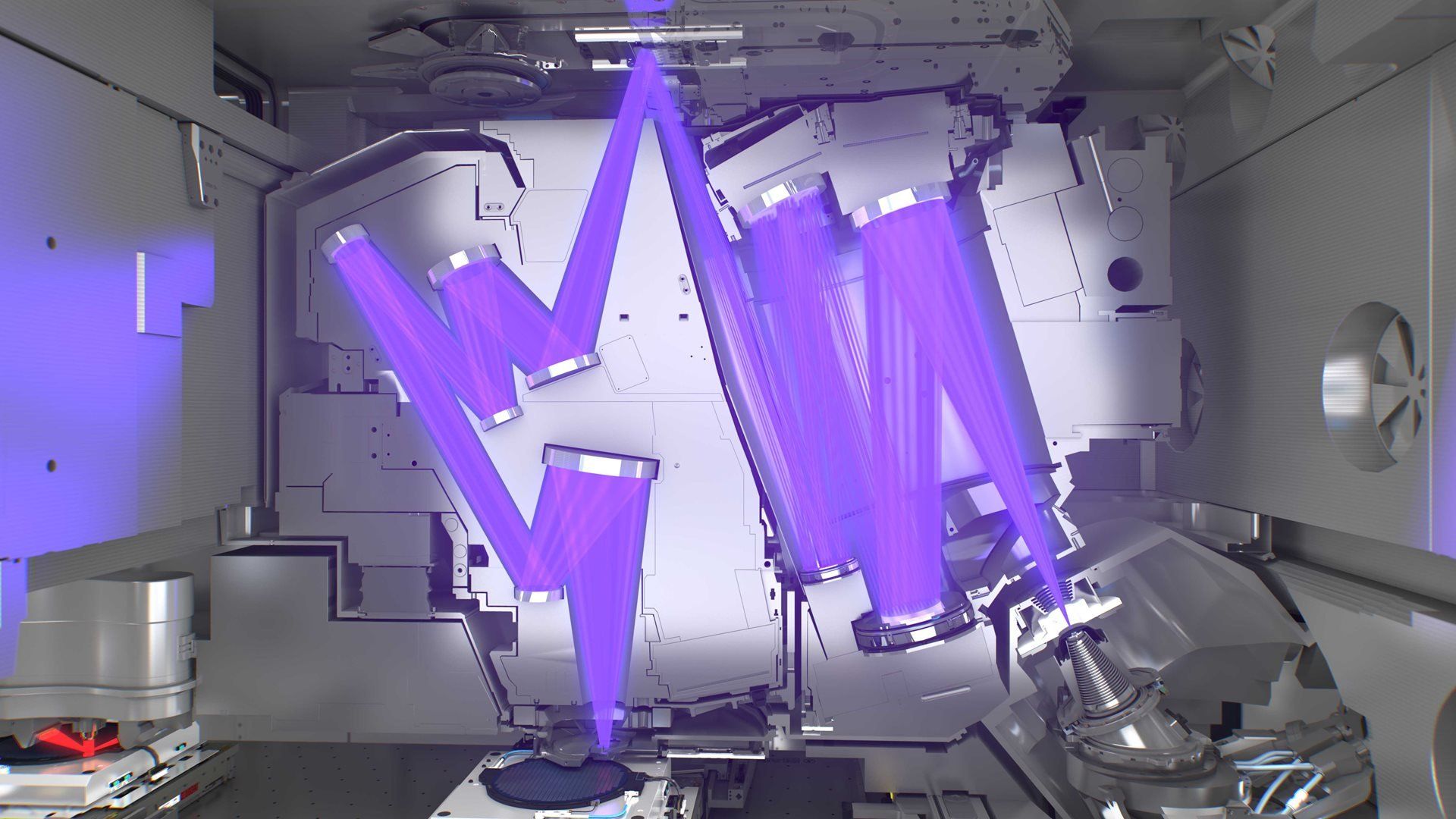
ASML is weighing price increases for its Low-NA EUV lithography systems, a move that has already drawn criticism from TSMC, its largest customer. While the Dutch lithography giant insists the hikes will not arrive overnight, the shift reflects a broader strategy to capture more value from the tools it supplies to the world’s most profitable chip fabs.
A gradual but inevitable shift
Roger Dassen, ASML’s CFO, acknowledged during the company’s latest earnings call that price adjustments are not instantaneous. Orders placed today won’t reflect new pricing tomorrow, he said, but the direction is clear: Low-NA EUV tools are getting more productive, and ASML plans to price them accordingly. The company frames its approach as “value-based pricing,” linking costs to the economic benefits a fab gains from higher throughput and tighter overlay precision. Earlier Low-NA models like the NXE:3400C and NXE:3600D sold in the €140 million–€170 million range, while newer systems such as the NXE:3800E and NXE:4200G push productivity beyond 300 wafers per hour, setting the stage for higher list prices.
Industry-wide ripple effects
ASML’s pricing power extends beyond TSMC, whose resistance highlights a growing tension between equipment makers and their biggest customers. The company’s record €9.33 billion in Q2 2026 revenue underscores the scale of its dominance—and the leverage it now wields. With High-NA EXE systems already priced above €350 million apiece, the incremental rise in Low-NA tools signals a structural shift: chipmakers’ most critical capital expenditures are climbing, whether they like it or not.
Why it matters
This isn’t just about higher bills for TSMC—it’s about how the entire semiconductor ecosystem absorbs rising equipment costs. ASML’s ability to extract more value from each tool could reshape fab economics, especially as the industry ramps up advanced nodes. For chipmakers, the message is clear: the era of steadily improving productivity at flat prices is ending. The question now is how quickly the supply chain can adapt, and who ultimately bears the cost.
Source: Tom's Hardware. AI-assisted editorial synthesis — TechnoExpress.