

Linux on an iPhone 6S? Yes, and here’s how
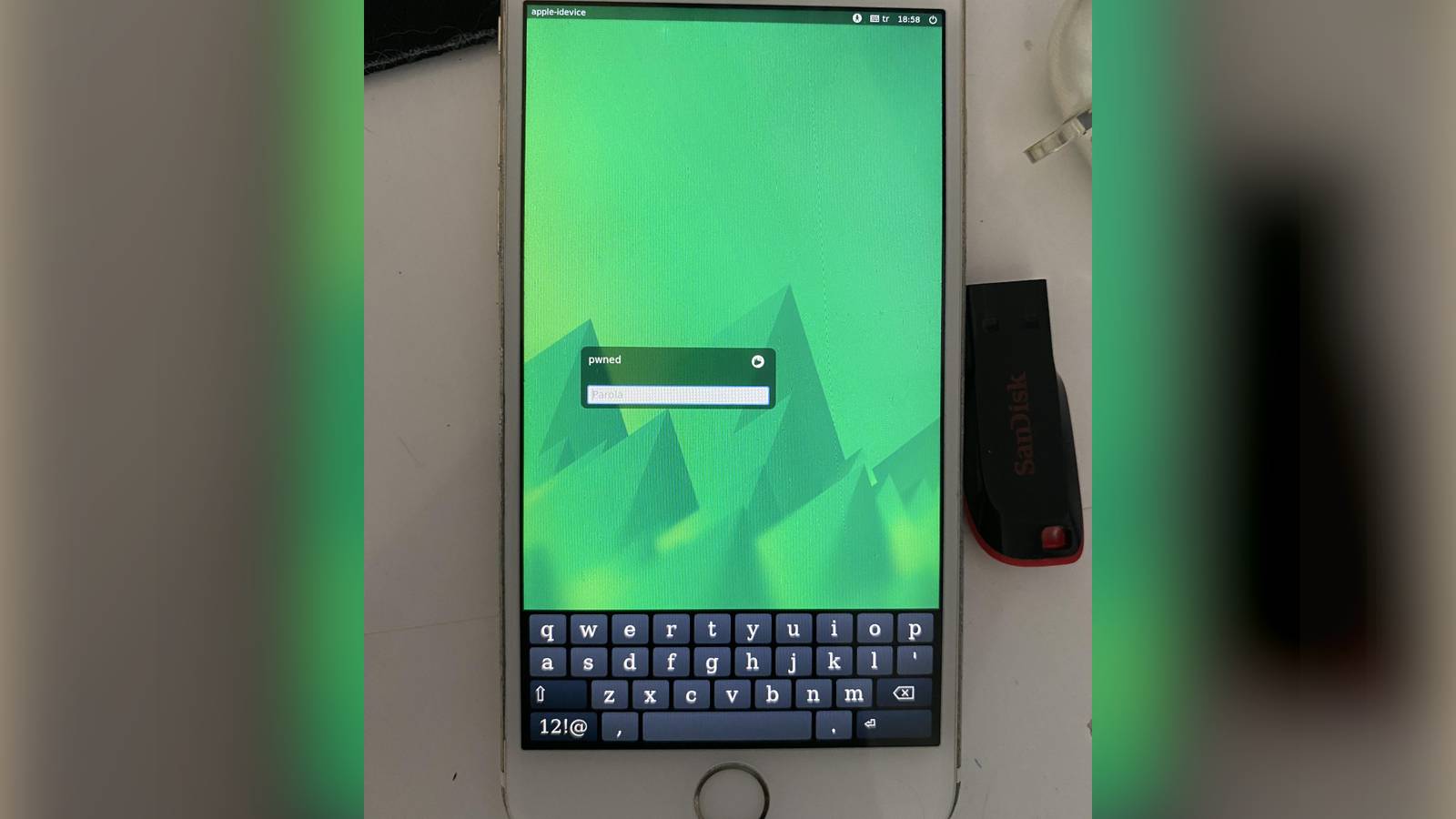
A shrinking landfill is one step closer every time someone installs Linux on an old iPhone 6S. The stunt proves that even a seven-year-old handset can still run a full desktop OS—if you’re willing to accept a few compromises.
The proof is in the kernel
The trick hinges on the checkm8 exploit, an old but reliable hardware-level vulnerability that lets researchers run unsigned code on iPhones from the 6S through X models. With that foothold, a developer recently booted Ubuntu 20.04 on an iPhone 6S, connecting it to a keyboard and monitor via USB-C adapters. Graphics and Wi-Fi aren’t perfect, and the touchscreen stays dark, but the device can still ping a network and launch a desktop.
What actually works—and what doesn’t
Installation isn’t plug-and-play; users need a Linux image tailored for the A9 SoC, patience for command-line steps, and a spare computer to cross-compile kernels. Core functions like SSH, terminal utilities, and lightweight browsers run, but calls, SMS, and the iOS App Store are off-limits. For hobbyists, the project is less about daily use and more about proving how far community ingenuity can stretch aging hardware.
Why it matters
This isn’t a practical upgrade path for most users, but it highlights a larger trend: open-source software can extend the useful life of devices long after vendors stop patching them. For developers and tinkerers, it’s a reminder that hardware isn’t obsolete until the community says it is. The real win may be less about running Ubuntu on a 2015 phone and more about keeping the spirit of experimentation alive in an era of disposable tech.
Source: XDA Developers. AI-assisted editorial synthesis — TechnoExpress.