

Asus ROG Ally X shines on paper, stumbles in reality
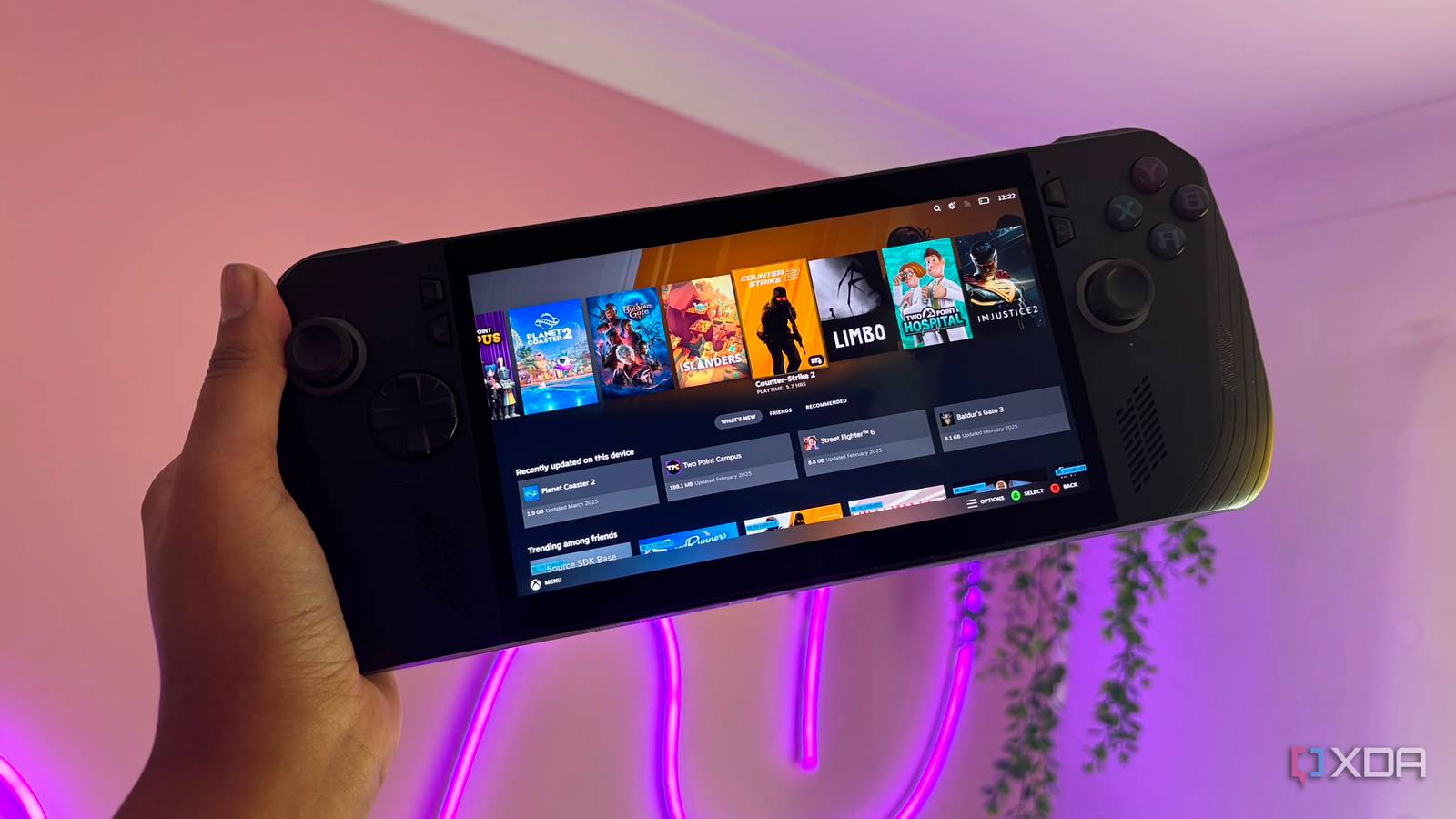
The Asus ROG Ally X arrives with specs that sound like a dream for portable gaming: an 80Wh battery, 24GB of LPDDR5X RAM, and a chassis built for endurance. On paper, it ticks every box that the Steam Deck doesn’t—more memory, a larger battery, and a design that feels closer to a compact gaming laptop. Yet the moment you power it on, Windows 11’s overhead and inconsistent software behavior drag the experience down, turning a promising device into a frustrating reminder of why the Steam Deck’s streamlined OS still rules.
The hardware advantage—when it works
The ROG Ally X’s raw power is undeniable. Its Ryzen Z1 Extreme chip, paired with 24GB of RAM, handles modern titles at high settings without breaking a sweat. The 80Wh battery promises longer sessions than the Steam Deck’s 50Wh unit, and the chassis feels sturdy enough for marathon gaming. But hardware alone doesn’t win handhelds—software does. Windows 11, with its background processes and driver quirks, introduces stuttering, heat spikes, and unpredictable performance, especially when switching between games and the desktop.
A familiar paradox: power vs. polish
The Ally X’s biggest strength—its PC gaming heritage—also exposes its Achilles’ heel. While SteamOS on the Steam Deck is purpose-built for handheld gaming, Windows 11 wasn’t. Background updates, telemetry, and driver conflicts create friction that the Steam Deck sidesteps entirely. Even simple tasks like launching a game or adjusting settings feel cumbersome compared to the Deck’s unified interface. It’s a case of over-engineering: the Ally X can do more, but the ecosystem around it makes it do less reliably.
Why it matters
The ROG Ally X highlights a critical divide in the handheld gaming market. Pure hardware specs no longer guarantee a better experience—they can even backfire when layered atop an operating system that wasn’t designed for the task. For gamers, this means the Steam Deck’s consistency remains unmatched, while the Ally X serves as a reminder that raw power must be paired with software that understands its role. The handheld market isn’t just about specs; it’s about seamless, frustration-free play—and right now, one device still owns that crown.
Source: XDA Developers. AI-assisted editorial synthesis — TechnoExpress.