

COSMIC Desktop Lures User from KDE to Linux
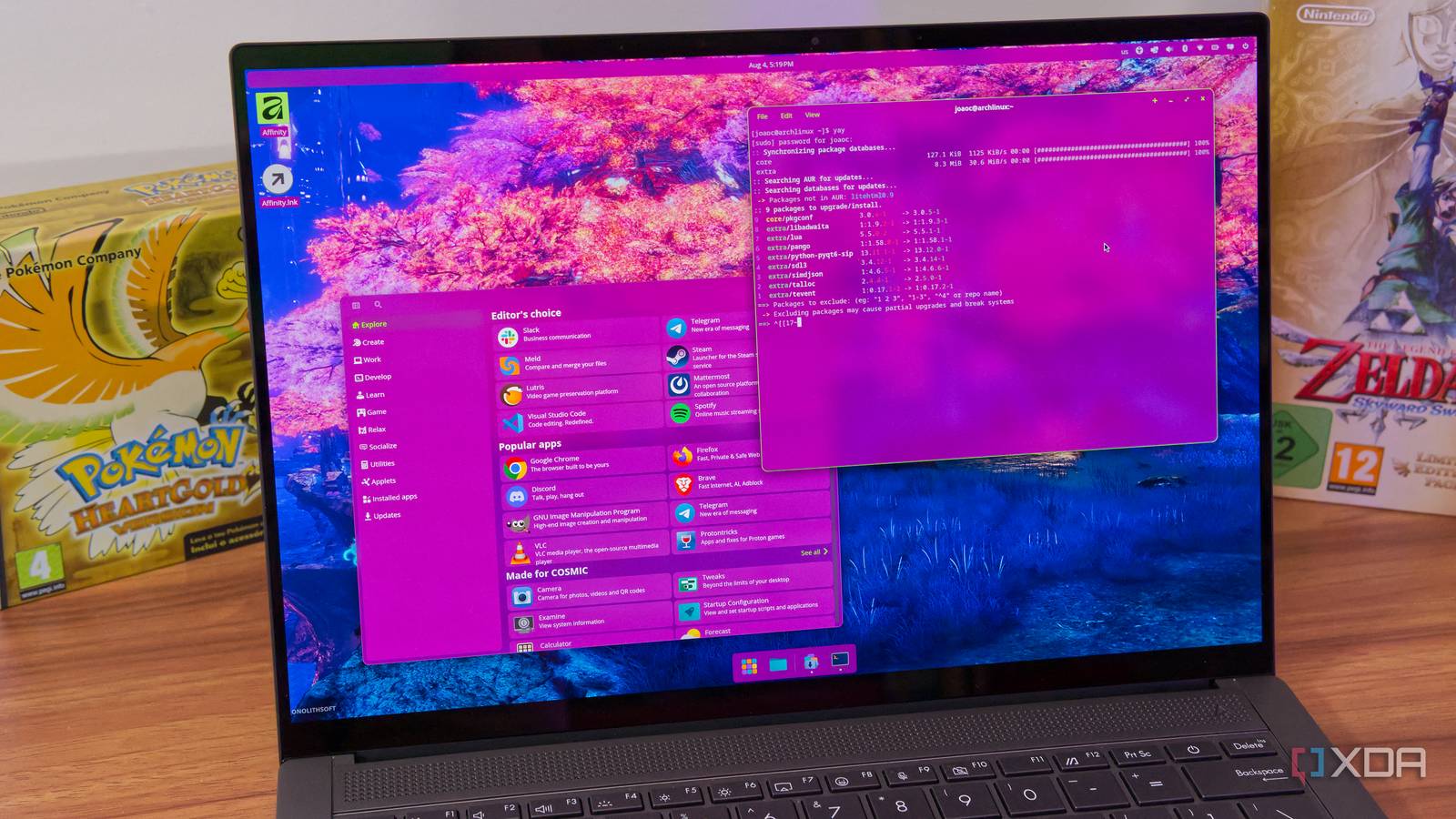
After years of relying on KDE Plasma for its familiar Windows-like layout and rich feature set, one writer finally made the leap to Linux’s newest desktop environment—and COSMIC is the reason why.
The switch didn’t come easily. For over a year, the author had settled into a comfortable routine with Arch Linux powered by KDE, appreciating its balance of usability and customization. Yet something about COSMIC, the desktop environment under development by System76, shifted the calculus. Its promise of a fresh, streamlined experience—built from the ground up with Rust and Wayland—proved irresistible.
A fresh take on the desktop
COSMIC isn’t just another rehash of existing paradigms. Built in Rust and designed for Wayland from day one, it emphasizes performance and modern tooling. The environment avoids the legacy baggage that often accumulates in long-standing projects like KDE Plasma. For users tired of incremental updates and compatibility layers, COSMIC offers a compelling alternative—one that prioritizes responsiveness and long-term maintainability.
What changed for the user?
The writer highlights that familiarity with Windows was no longer the sole deciding factor. While KDE Plasma provided a smooth transition for ex-Windows users, COSMIC’s clean design and snappy behavior offered a different kind of comfort—one rooted in simplicity and intentionality. The shift reflects a growing trend among Linux users: the willingness to explore new interfaces when they promise tangible improvements in workflow and responsiveness.
Why it matters
This transition underscores a key moment for Linux adoption. As environments like COSMIC mature, they challenge the dominance of established desktops by proving that innovation can coexist with usability. For users on the fence about switching, such projects demonstrate that Linux isn’t just about familiarity—it’s also about evolution. The stakes are clear: better desktop experiences could accelerate mainstream acceptance of Linux on the desktop.
Source: XDA Developers. AI-assisted editorial synthesis — TechnoExpress.