

Frame generation isn't broken—just misused on unstable framerates
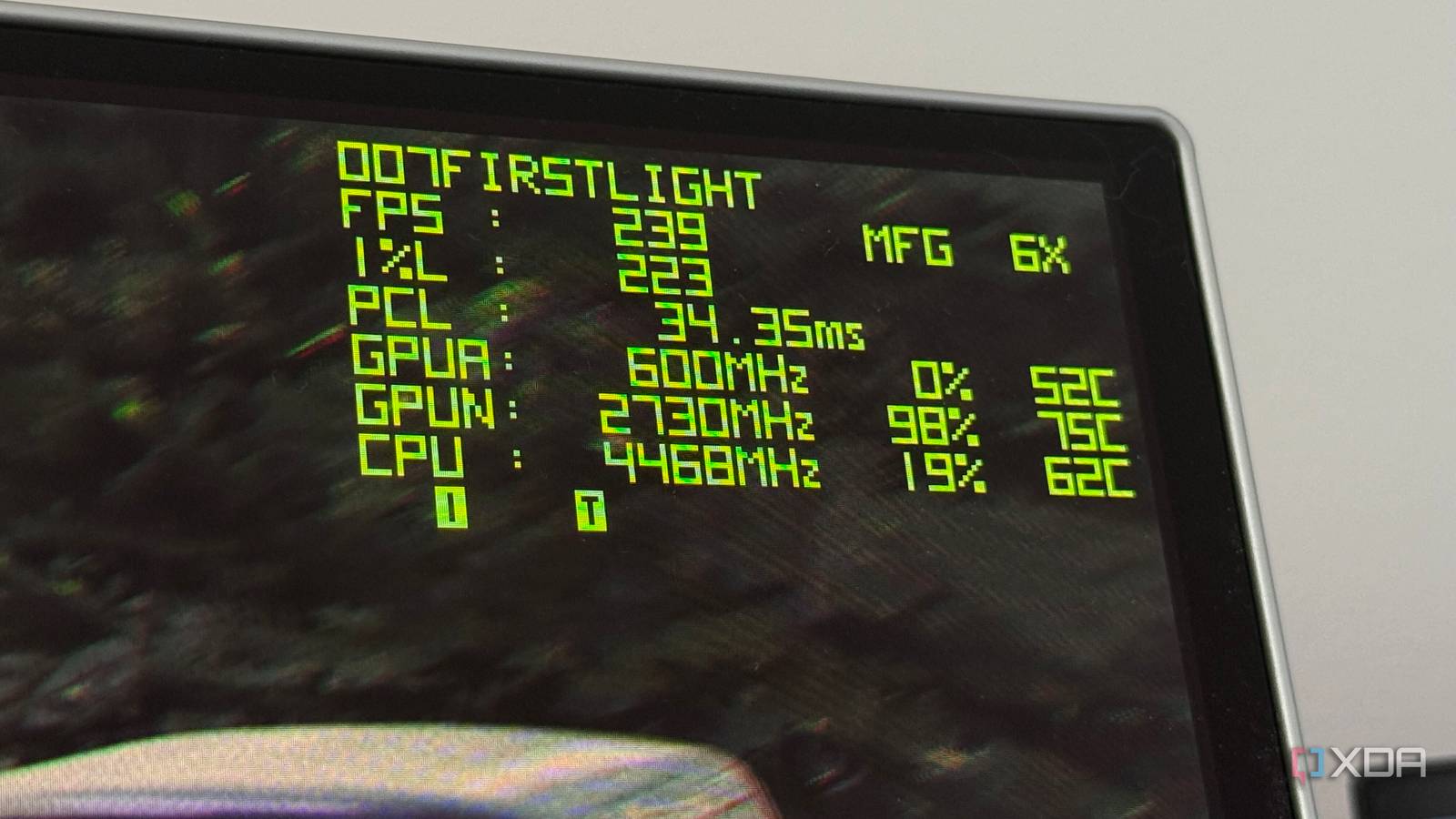
Frame generation turns sluggish games into smooth experiences—or so the promise goes. In practice, it often feels worse than doing nothing, especially when the underlying framerate wobbles. A recent hands-on with Cyberpunk 2077 and 007 First Light showed how frame generation can sabotage latency and inject distracting artifacts, particularly around UI elements. Yet the same tech, when paired with rock-solid frame rates, quietly transforms from nuisance to necessity.
A double-edged sword for visuals
Frame generation works by inserting interpolated frames between the rendered ones, smoothing motion on screen. But when the game’s native frame rate dips or jerks, the system has to guess too aggressively, creating stuttery halos around text, menus, and HUD elements. In Cyberpunk 2077, these artifacts were hard to ignore; in 007 First Light, they were merely distracting. The takeaway is simple: frame generation doesn’t hate UI—it hates instability.
Latency lurks beneath the sheen
Even when the visuals hold up, frame generation adds input lag. Every interpolated frame introduces a tiny delay between controller input and on-screen action. For fast-paced shooters or twitch-platformers, that delay can mean the difference between a headshot and a miss. The trick isn’t ditching frame generation altogether, but ensuring the base framerate is high enough to keep the interpolator from panicking.
Why it matters
Frame generation isn’t inherently flawed; it’s a tool that demands respect. When framerates are stable—ideally above 60 FPS and rock-solid—frame generation smooths out the experience without the artifacts or latency. The moment framerates wobble, though, the tech turns on the player. The real lesson is not to fear frame generation, but to pair it with robust performance—or disable it when the game can’t keep up.
Source: XDA Developers. AI-assisted editorial synthesis — TechnoExpress.