

White House Opens Door to Private Cyber Counterattacks
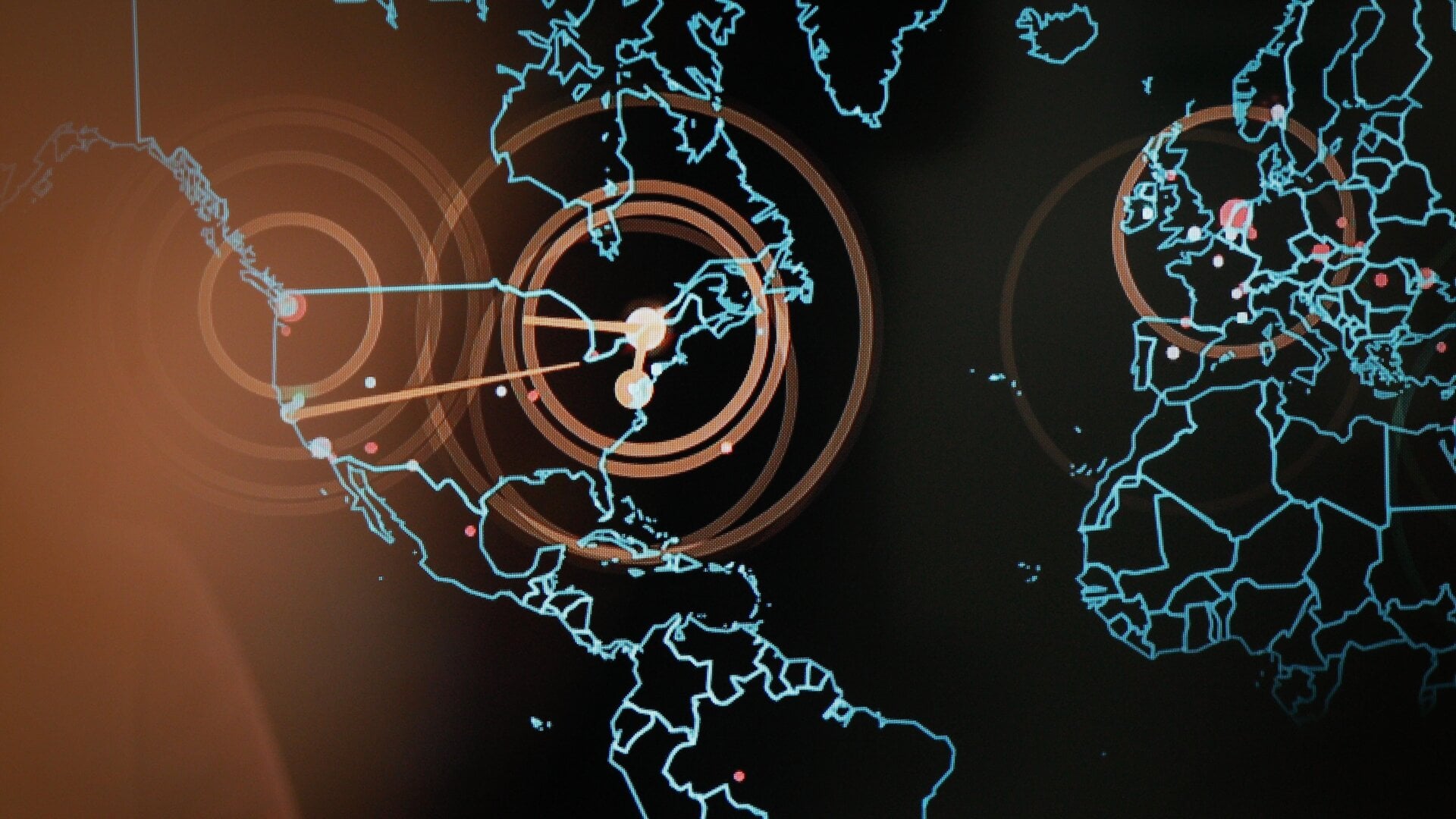
The Trump administration is preparing to let private companies strike back at foreign cybercriminals under a new policy that effectively greenlights “hack-back” operations. Until now, U.S. firms operated under strict limits when defending against attacks originating overseas. The shift signals a more aggressive posture, placing responsibility—and risk—directly in corporate hands.
A New Frontier in Cyber Defense?
Under current U.S. law, companies are generally barred from launching counterattacks against hackers, even when their systems are breached. The proposed policy would carve out exceptions, allowing firms to penetrate adversaries’ networks to disrupt or retrieve stolen data. The move aligns with a broader trend of shifting cybersecurity from pure defense to active deterrence, but it also blurs the line between corporate vigilantism and state-sanctioned action.
Critics warn that permitting private cyber counterattacks could escalate global tensions, create unintended collateral damage, and set a dangerous precedent for other nations. Firms without deep cybersecurity expertise may struggle to distinguish hostile actors from innocent bystanders in foreign networks, increasing the risk of misattribution. Meanwhile, adversarial governments could retaliate against U.S. businesses or infrastructure, turning private firms into unwitting proxies in state-level conflicts.
Legal Gray Zones and Corporate Risk
The policy’s legality remains murky. Existing laws such as the Computer Fraud and Abuse Act (CFAA) and international treaties like the Budapest Convention impose strict prohibitions on unauthorized access across borders. While the administration claims the change will improve deterrence, legal experts caution that companies could face lawsuits or sanctions if their actions are deemed excessive or unlawful. The burden of proof—and liability—would fall squarely on the private sector.
Why it matters
This policy redefines cybersecurity from a defensive game to an offensive one, placing unprecedented power—and liability—in the hands of private firms. It could embolden companies to take proactive measures, but it also opens the door to legal exposure, geopolitical blowback, and unintended escalation. For industries already grappling with sophisticated cyber threats, the move raises a critical question: Is the promise of active defense worth the legal and strategic risks?
Source: Gizmodo. AI-assisted editorial synthesis — TechnoExpress.