

Unified Memory Kills Upgrade Dreams for PC Enthusiasts
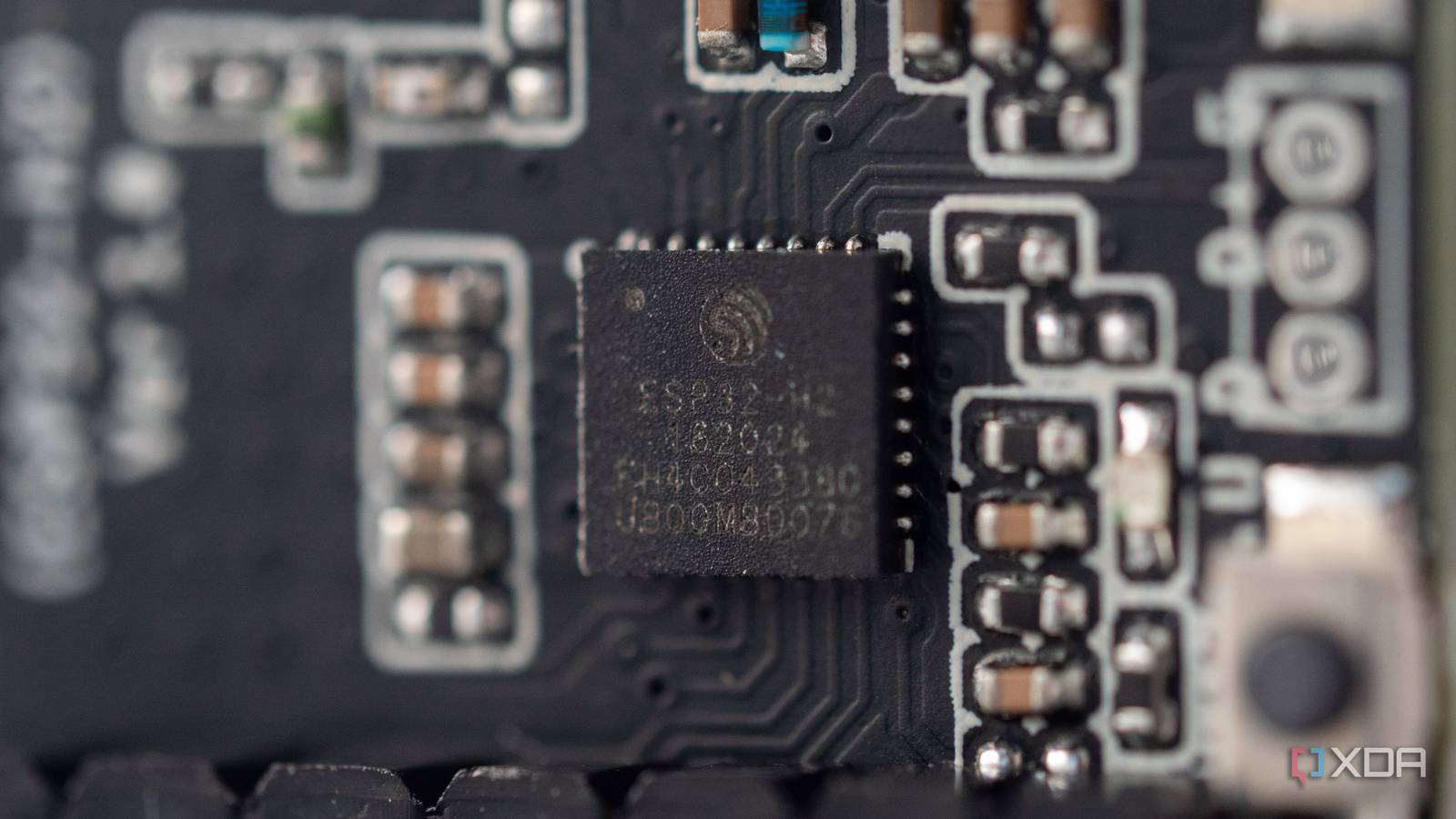
The days when you could pop open a PC, swap out a stick of RAM, and breathe new life into your machine are quietly slipping away. A growing wave of laptops and desktops—especially those packing cutting-edge mobile chips—are adopting unified memory layouts, where high-density memory chips are permanently soldered onto the CPU package rather than housed in user-accessible slots.
The End of Modular Upgrades
For decades, the promise of PC building revolved around modularity: swap a graphics card, double your RAM, or add storage with ease. Unified memory layouts dismantle that promise at the silicon level. By fusing memory directly to the processor, manufacturers can squeeze more performance into thinner, more power-efficient designs—but they also lock users into a fixed memory ceiling. Need more headroom for heavy workloads or future-proofing? Brace yourself for a costly system-wide upgrade or an entirely new machine.
Who Loses—and Who Wins
Enthusiasts and budget-conscious upgraders stand to take the hardest hit. Gamers pushing for higher frame rates, content creators crunching 4K video, and professionals running AI workloads will find their options narrowing. Meanwhile, OEMs benefit from tighter control over configurations and reduced production costs. The shift mirrors trends in smartphones and ultrabooks, where repairability and upgradeability have already taken a backseat to sleek design and integration.
A Glimpse Into the Future
The writing may already be on the wall. With Apple’s unified memory approach in its M-series chips setting a precedent, and Intel and AMD exploring similar designs in mobile and even some desktop platforms, unified memory could soon dominate the market. For those who value longevity and flexibility, the message is clear: choose wisely today, because tomorrow’s “upgrade” might mean trading up to a whole new system. The era of the DIY PC isn’t dead yet—but it’s quietly being redesigned out of existence.
Source: XDA Developers. AI-assisted editorial synthesis — TechnoExpress.