

Nvidia GPU VRAM as system swap: a bold memory hack
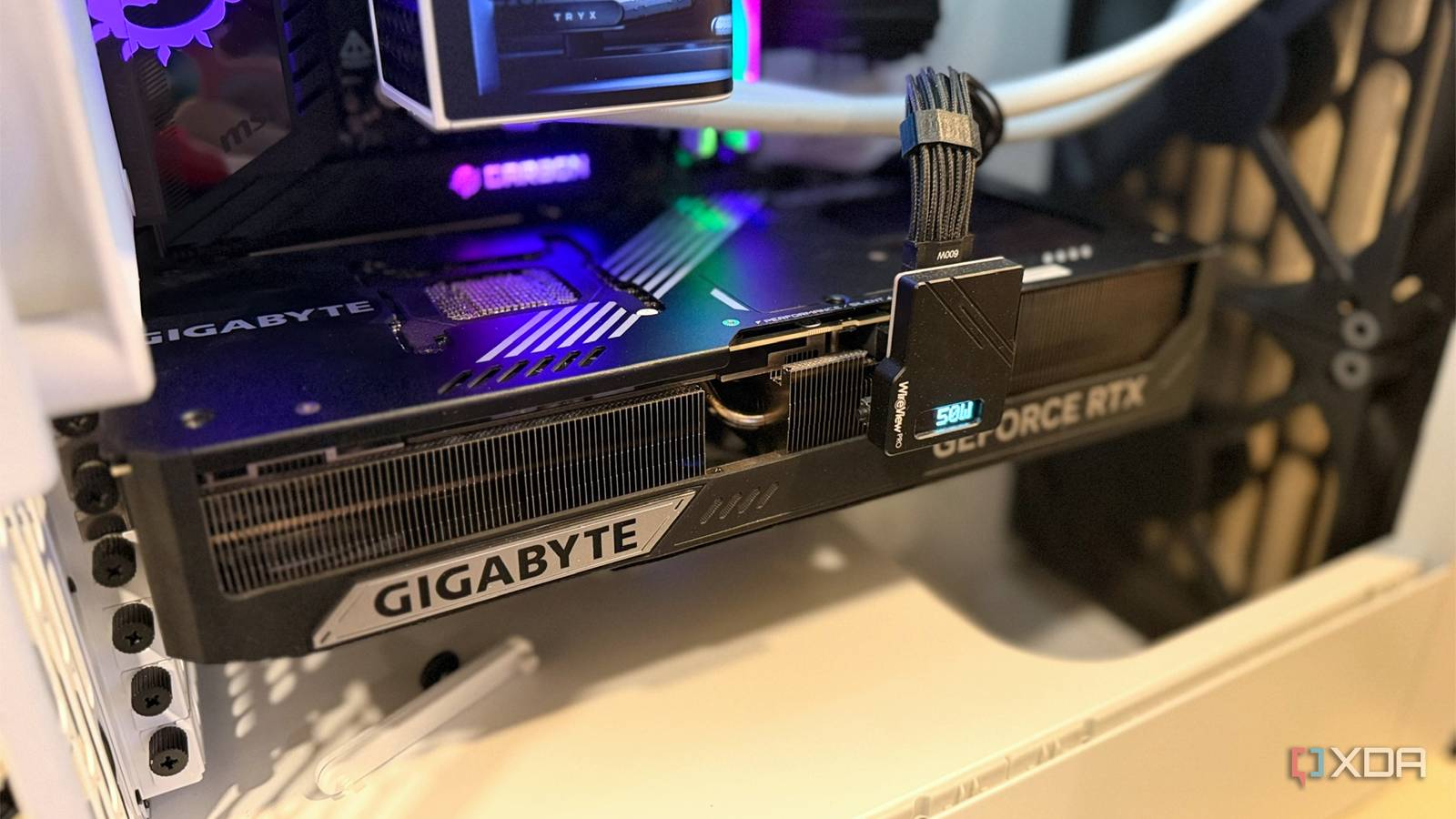
A PC’s idle GeForce RTX 5090 is sitting on 32 GB of GDDR7 that most workloads never touch. One user decided to put that surplus to work, turning the graphics memory into system swap and sidestepping a pricey DDR5 upgrade.
The experiment in practice
After watching Windows Subsystem for Linux 2 stumble under heavy container builds and LLM workloads, the experimenter looked beyond traditional RAM. With the RTX 5090’s VRAM mostly unused, they configured the system to use it as swap space. Instead of popping for more DDR5 at inflated prices, the swap-on-VRAM trick freed up the host memory budget and kept the Linux environment running smoothly.
How it changes the build vs buy equation
The approach isn’t a silver bullet—it works best when the GPU sits idle during compute-heavy tasks. It also relies on Nvidia’s proprietary drivers and the Linux kernel’s ability to expose VRAM as a block device. Still, for developers juggling Docker, WSL2, and memory-hungry tools on a budget, the trick can defer a RAM purchase without new hardware.
Why it matters
This hack spotlights a rarely exploited resource: the untapped capacity of modern GPUs. It’s a stopgap for anyone caught between soaring DDR5 prices and growing workload memory demands. The real lesson is that, in a market where RAM upgrades carry a premium, creative reuse of existing hardware can buy time until prices normalize.
Source: XDA Developers. AI-assisted editorial synthesis — TechnoExpress.