

Half of all household chargers fail basic power tests
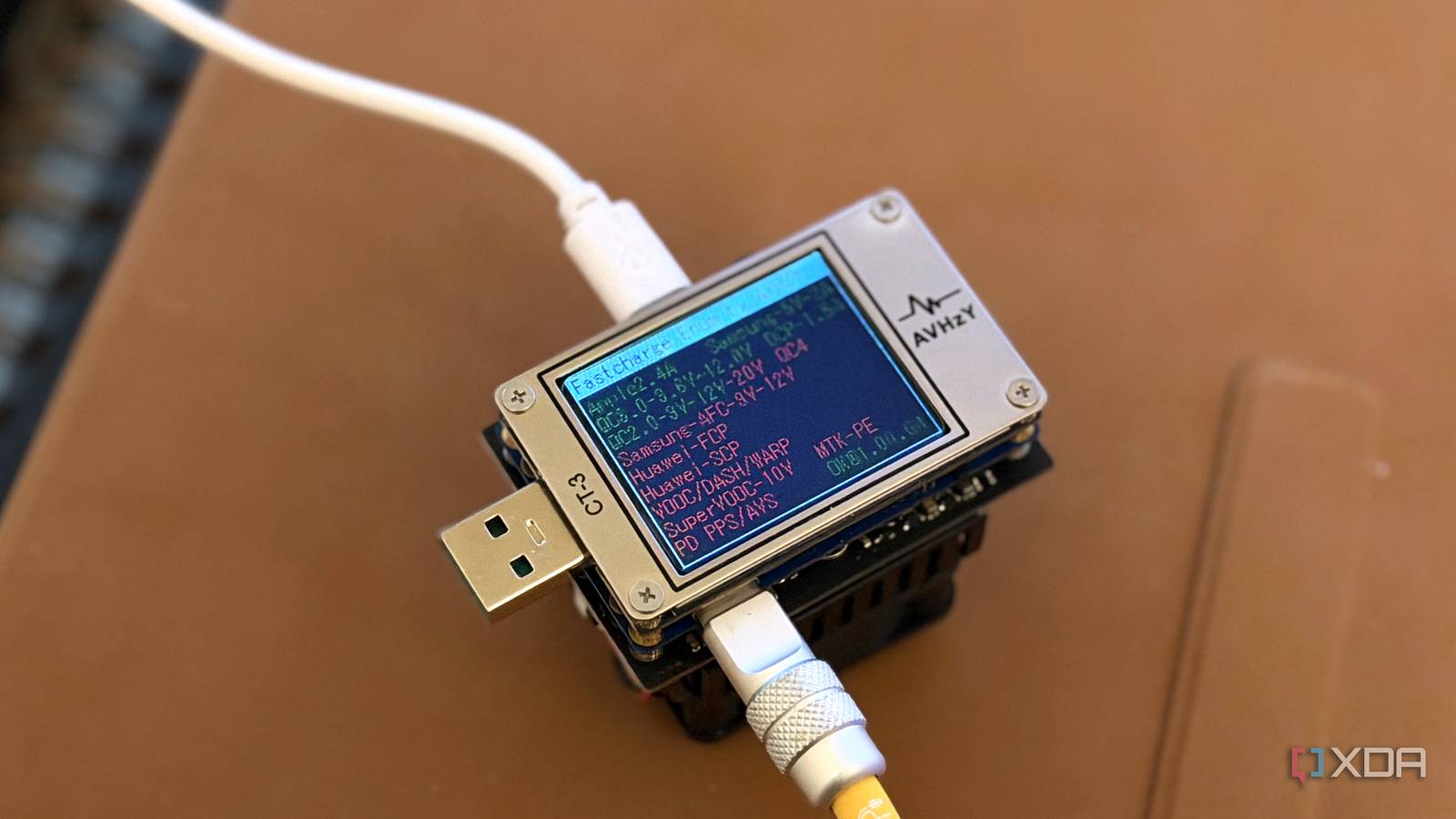
It turns out your “just in case” drawer of old chargers isn’t just clutter—it can be a safety risk. A tech journalist at XDA Developers recently put every charger in their home through a simple USB tester and discovered that half were delivering the wrong voltage or current.
Why a simple tester matters
The experiment started with a small, inexpensive USB power meter plugged into each charger. While the device itself wasn’t sophisticated, it revealed a surprising pattern: chargers that once worked fine with older phones now failed basic safety checks. Some delivered too much voltage, others too little. One charger even fluctuated wildly between readings, risking damage to sensitive electronics.
What to do with suspect chargers
The journalist stopped short of calling for an immediate purge of every drawer, but recommended a quick test before plugging in expensive devices. Fast chargers with USB-C PD or QC logos are especially risky if damaged, as they can overheat or fail under load. The safest approach remains using the charger that came with the device, or a certified replacement from a reputable brand.
For anyone with a box of forgotten cables, the lesson is clear: not all chargers age gracefully. A $10 tester can save a $1,000 phone.
Source: XDA Developers. AI-assisted editorial synthesis — TechnoExpress.