

AMD's quiet GPU push leaves Nvidia in a tough spot
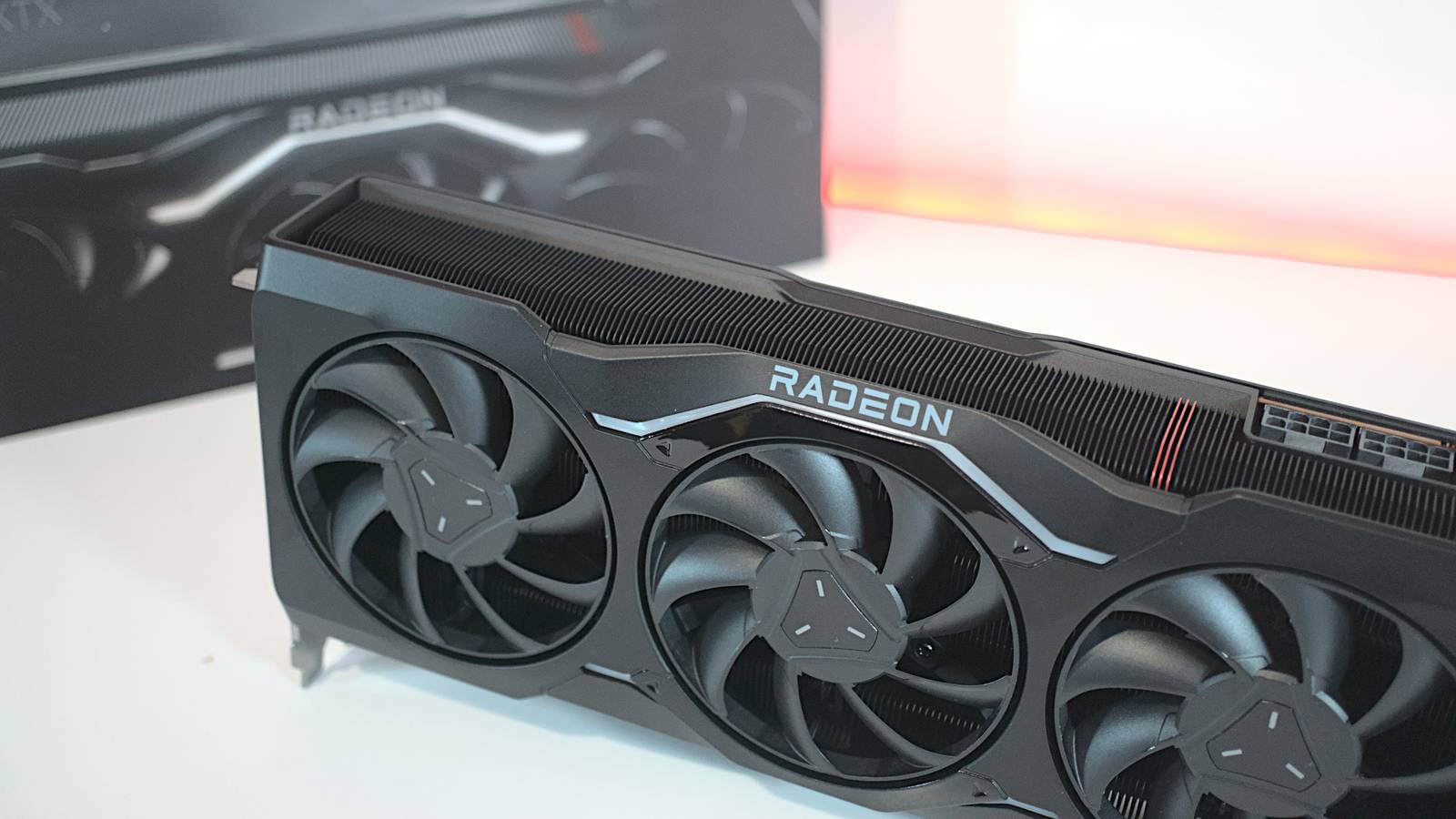
Two years ago, choosing between Nvidia and AMD graphics cards was straightforward for many buyers. Nvidia’s GeForce RTX lineup stood out for its superior ray tracing and DLSS support, while AMD’s Radeon GPUs often lagged in those areas. Fast-forward to today, and the calculus has shifted—quietly, but decisively.
The pricing advantage that speaks volumes
AMD has spent the past two years methodically undercutting Nvidia on price while packing its GPUs with features that once belonged exclusively to the green team. Mid-range and budget segments now see Radeon cards offering competitive—or even superior—value, often at lower price points. This isn’t just about raw performance; it’s about what buyers get for their money. Features like FSR (FidelityFX Super Resolution) and solid ray tracing performance have closed the gap, making Nvidia’s traditional advantages less compelling for mainstream users.
Beyond gaming: the silent features buyers notice
While gaming remains the primary use case for most GPU buyers, AMD’s recent moves suggest a broader strategy. The company has been pushing advanced compute features—such as AI acceleration and better support for content creation workloads—across its lineup. Nvidia still leads in dedicated AI and professional tools, but AMD’s improvements make its cards more versatile for users who dabble in both gaming and creative tasks. This shift subtly nudges the market toward Radeon, especially when price is a deciding factor.
Why it matters
The GPU market is no longer a one-horse race. AMD’s aggressive pricing and feature parity are forcing Nvidia to rethink its positioning, particularly in segments where value matters most. For consumers, this means more choices—and better deals—than ever before. The real stakes? A more competitive ecosystem that rewards innovation, keeps prices in check, and ensures buyers aren’t locked into a single brand’s ecosystem by default. In a market where every dollar counts, AMD’s quiet campaign is reshaping expectations.
Source: XDA Developers. AI-assisted editorial synthesis — TechnoExpress.