

Steam’s Android gaming fix came via an unexpected route
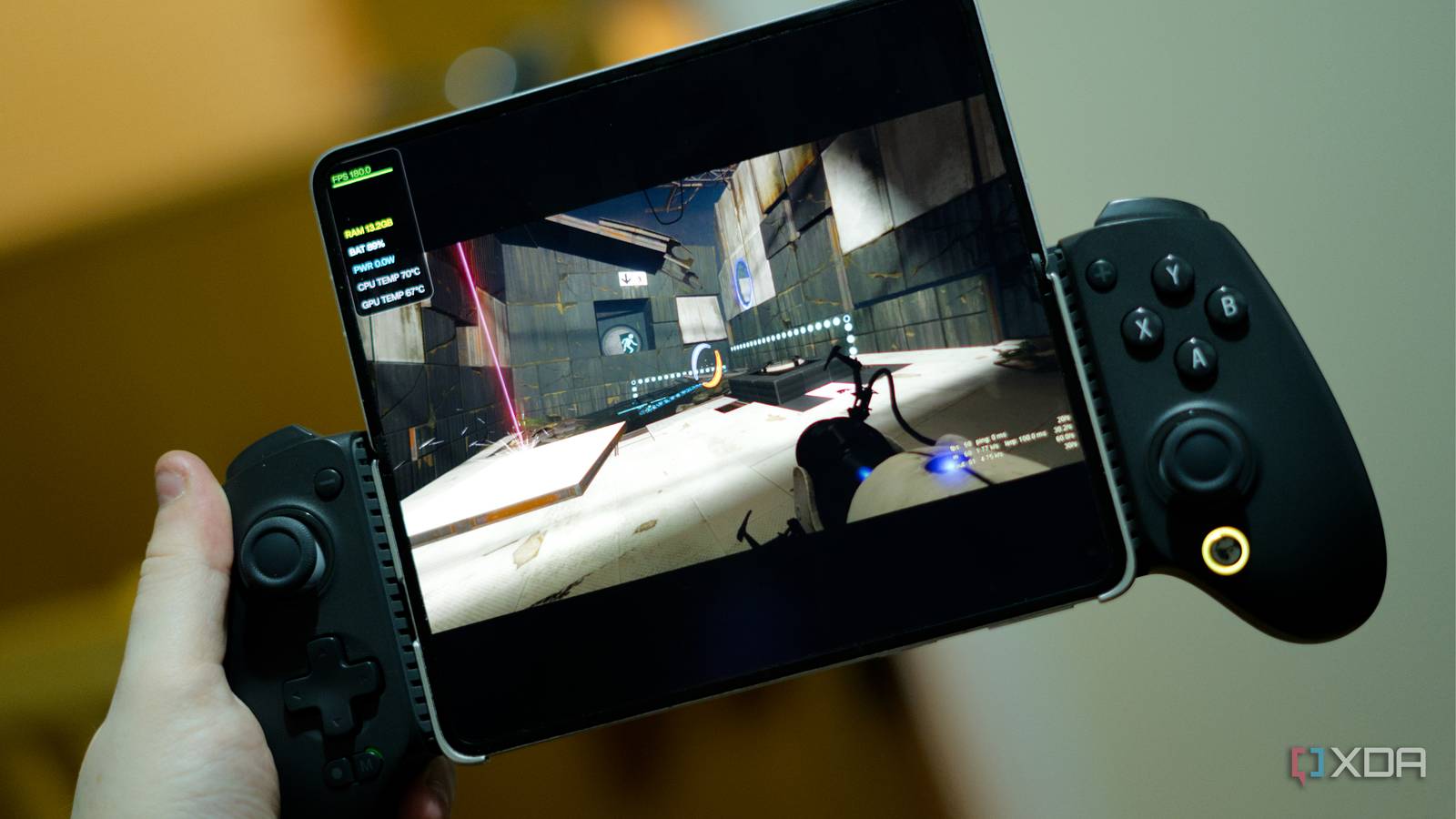
A curious side effect of Valve’s VR hardware has quietly smoothed out one of the roughest edges in Android gaming. Users who stream or run Windows titles on Android phones via compatibility layers like Winlator have long grappled with stuttering and dropped frames, but the arrival of the Valve Index headset appears to have nudged Steam’s client into better behavior on mobile.
For years, the community has relied on open-source stacks—Wine, Box64, DXVK, and evolving GPU drivers—to turn Android into a viable platform for desktop games. Tools such as GameHub and GameNative polished those back-end pieces into user-friendly launchers, making the experience nearly comparable to handheld consoles like the Steam Deck. Yet performance hiccups persisted, particularly when the Steam client itself interfered with frame pacing or network handling.
Behind the scenes of the fix
The breakthrough seems linked to how the Steam client now handles Vulkan command buffers and timing when running in tandem with Valve’s VR runtime. Community developers noticed that sessions launched through the Index’s streaming pipeline exhibited smoother frame delivery even on non-VR Android devices. This observation led to targeted tweaks in how the client manages buffer swaps and input polling, changes that Valve did not explicitly advertise but that trickled down to general Android users via beta updates.
What it means for mobile gamers
The improvement arrives at a time when Android gaming is no longer a novelty but a daily reality for many players. While the fix is not a magic bullet—some titles still require manual tweaks—it removes one major friction point without demanding new hardware. For those who abandoned GameHub amid past controversies, the timing could not be better: a more reliable foundation may encourage fresh development around the open-source stack and reduce reliance on proprietary solutions.
Source: XDA Developers. AI-assisted editorial synthesis — TechnoExpress.