

NASA’s Roman Telescope launch: how to watch live
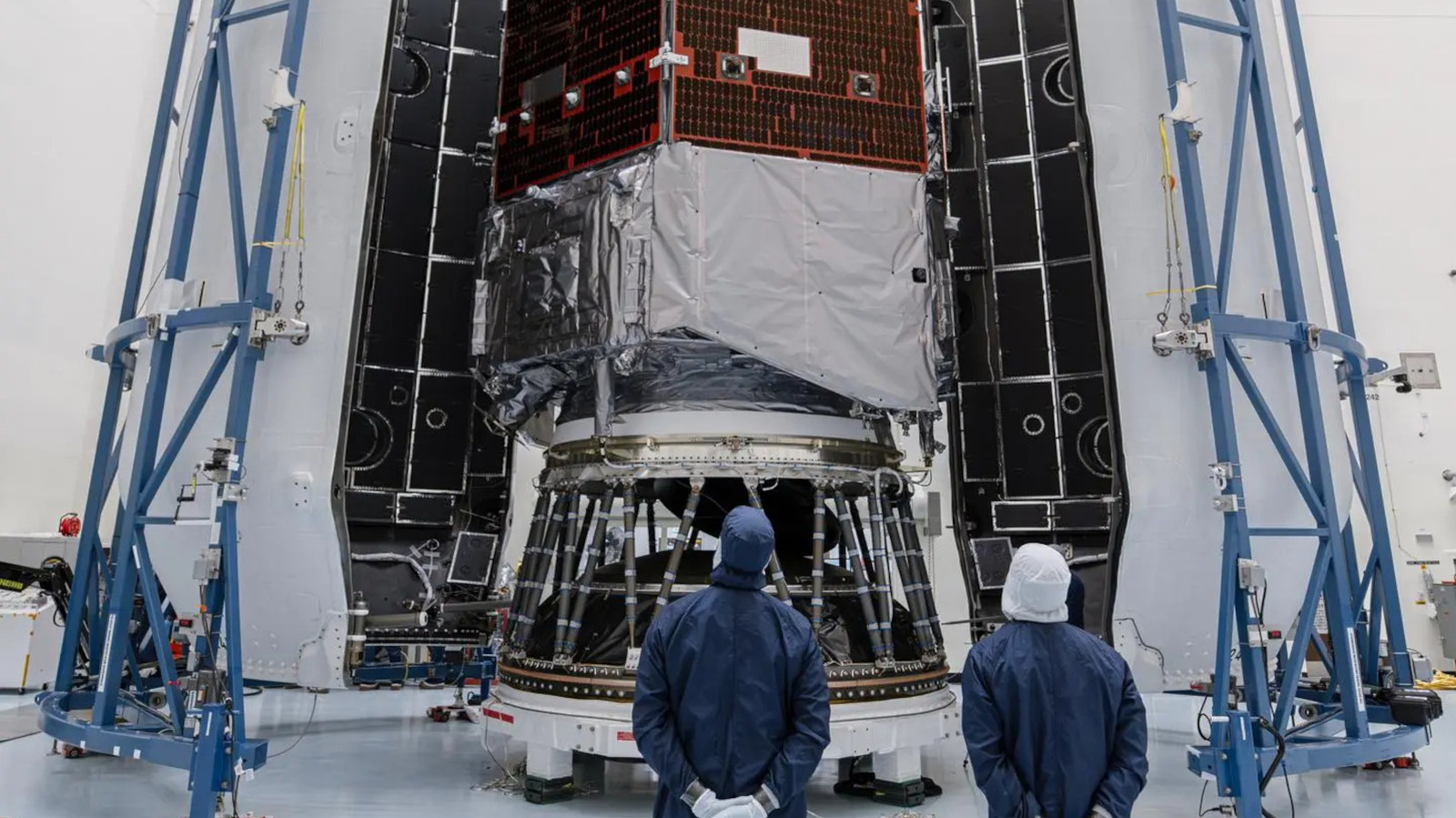
Set your calendars: NASA’s Nancy Grace Roman Space Telescope is lifting off on August 30, marking the next giant leap for wide-field infrared astronomy. The observatory promises to deliver panoramic views of the cosmos, hunting for dark energy clues and exoplanets while scanning millions of galaxies in a single glance. If all goes to plan, the spacecraft will ride an upper-stage rocket from Cape Canaveral Space Force Station, ready to begin a six-year survey mission that could reshape our understanding of the universe.
A New Eye on the Sky
Unlike the Hubble or James Webb, Roman carries a 2.4-meter primary mirror paired with a 300-megapixel camera that can image a patch of sky 100 times larger than Hubble in a single shot. Mission planners say the Wide Field Instrument will map the universe faster and deeper, tracking how dark energy has shaped cosmic expansion over time. The spacecraft’s coronagraph instrument will also attempt direct imaging of Jupiter-sized exoplanets around nearby stars, testing technologies for future Earth-finding telescopes.
How to Catch the Liftoff
NASA will stream the launch live on NASA+, YouTube and the agency’s website starting at 1 p.m. EDT on August 30. Coverage includes commentary, interviews and behind-the-scenes footage from Kennedy Space Center. A two-hour launch window opens at 1:30 p.m. EDT, weather and technical conditions permitting. SpaceX is providing the Falcon Heavy rocket, which will loft Roman into a Sun-Earth L2 halo orbit roughly 1 million miles from Earth.
Why it matters
The Roman Space Telescope is not just another observatory—it’s a strategic shift toward large-scale, time-domain astronomy. By surveying billions of galaxies and measuring cosmic distances with unprecedented precision, it aims to pin down dark energy’s role in the universe’s fate. For researchers, it opens a new frontier of statistical cosmology; for the public, it brings a live, high-stakes moment in humanity’s quest to decode the cosmos.
Source: Engadget. AI-assisted editorial synthesis — TechnoExpress.