

Second M.2 slot on budget boards may bottleneck SSD speed
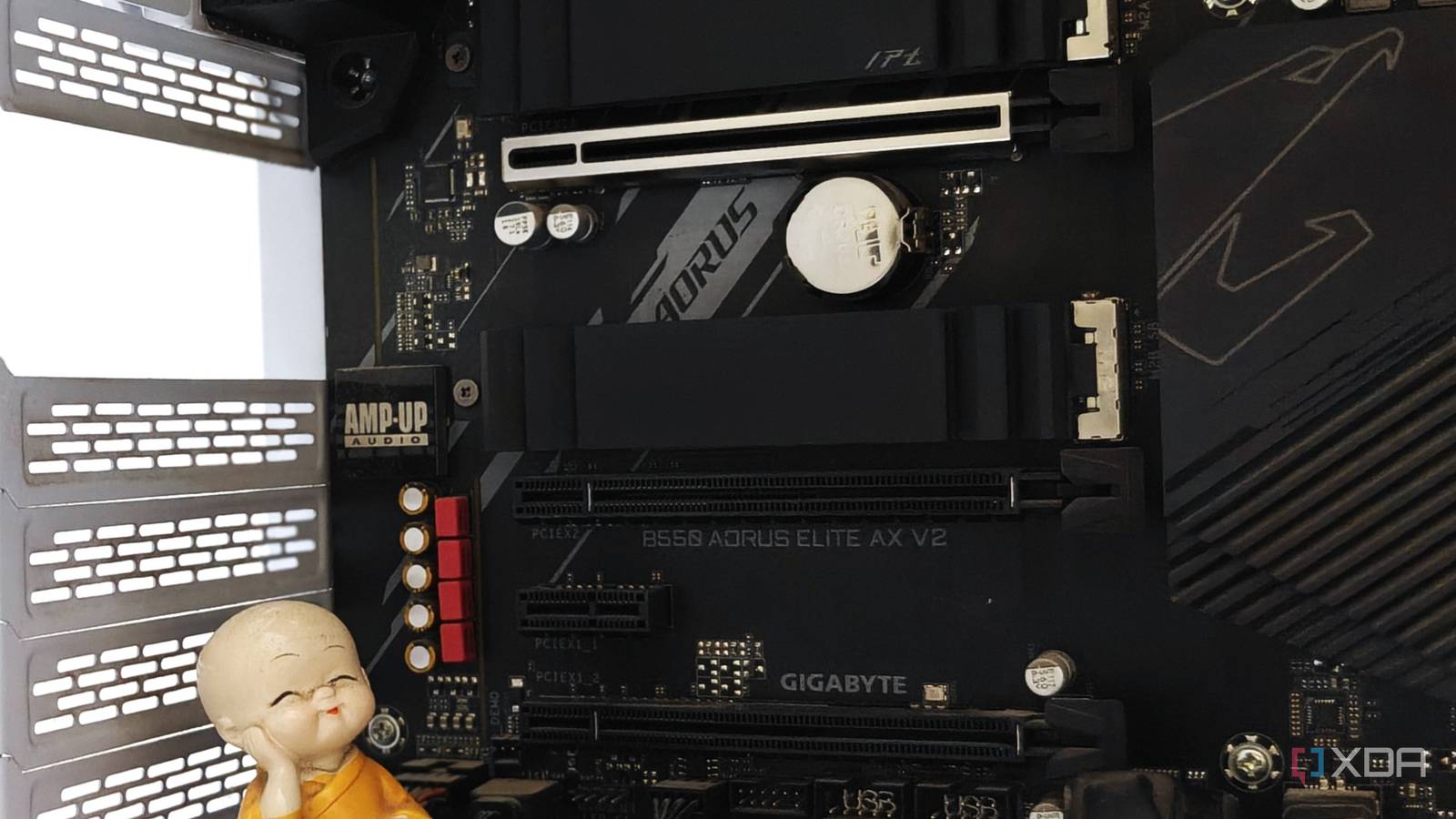
Building a PC with multiple high-speed NVMe SSDs is now common, but not all motherboards deliver the same performance across all slots. If you picked a mainstream model in the past four years—think AMD’s B550 or Intel’s B660/B560—your second M.2 slot may be running at PCIe 3.0 speeds instead of the full PCIe 4.0, effectively halving SSD throughput.
Why some boards cut corners
Chipset limitations are to blame. Entry-level and mid-range boards often route the secondary M.2 slot through the chipset, which only supports PCIe 3.0 lanes. Only premium chipsets like AMD’s X570 or Intel’s Z690/Z590 expose PCIe 4.0 lanes directly to more than one slot, keeping all drives at top speed. The trade-off keeps costs down for budget builders, but it forces a tough choice: use the fast primary slot for your OS drive, or sacrifice speed for extra capacity.
The real-world impact
For most users, the difference isn’t noticeable in daily tasks like web browsing or office work. But content creators, gamers, and data hoarders who rely on large file transfers or heavy multitasking will feel the slowdown. A PCIe 4.0 SSD in the secondary slot can top out around 7000 MB/s, while the same drive in a PCIe 3.0 slot struggles to exceed 3500 MB/s. It’s a bottleneck that frustrates power users who assumed “newer board equals better performance.”
What buyers should watch for
If you need dual PCIe 4.0 SSDs, check the manual or spec sheet before buying. Look for boards labeled “PCIe 4.0 M.2” on more than one slot, or confirm that both slots are wired to the CPU rather than the chipset. Budget boards from ASRock’s B650M-HDV or MSI’s B550-A PRO, for example, still limit secondary slots to PCIe 3.0. A quick search for your chosen model’s “block diagram” can reveal how lanes are allocated.
Why it matters
This limitation quietly shapes buying decisions for budget builders. It rewards those who invest in higher-end boards upfront and penalizes users who later find their secondary SSD isn’t living up to expectations. As NVMe drives grow faster and storage demands rise, the gap between “good enough” and “future-proof” widens—making lane allocation a factor that now demands more scrutiny than ever.
Source: XDA Developers. AI-assisted editorial synthesis — TechnoExpress.