

Germany’s rail network paralyzed by overnight GSM-R blackout
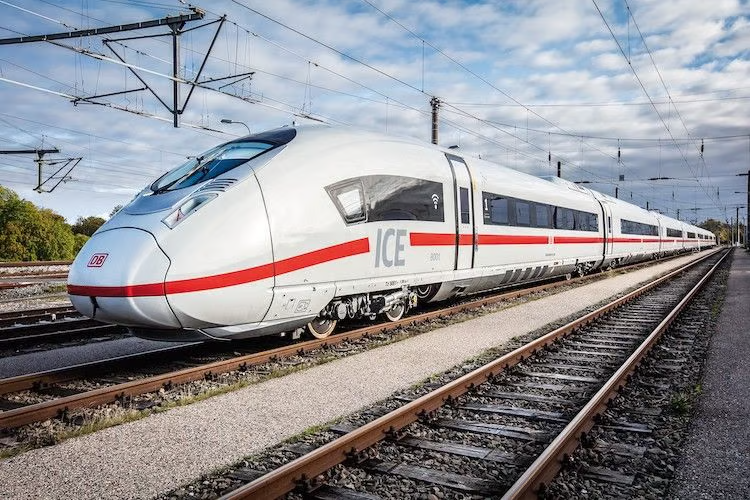
At 10:30 PM on a Tuesday, Germany’s rail network froze. All Deutsche Bahn trains—regional, long-distance, and S-Bahn lines alike—ground to a standstill across multiple states, stranding passengers from Berlin to Stuttgart without warning. The culprit was a nationwide failure of GSM-R, the railway-specific mobile network that links drivers, control centers, and safety systems. Within minutes, one of Europe’s busiest rail operators found itself blind, unable to move trains or communicate with staff, while executives openly admitted they didn’t yet know what had broken.
A system stretched to its limits
GSM-R has been the backbone of European rail communications since 2000, a 2G-based standard designed to ensure reliable voice and data links in even the most remote stretches of track. Yet Tuesday’s outage revealed how a single point of failure can cascade across an entire country. Berlin’s transport authorities confirmed that municipal, regional, and long-distance services were all affected, while Stuttgart’s S-Bahn halted every train on its network. Passengers received terse advisories—“all trains are being held at platforms”—without clarity on when, or if, services would resume. Deutsche Bahn CEO Evelyn Palla later told Bild that engineers worked frantically to restore the system, identifying the cause within 90 minutes but taking nearly three hours to fully recover. By 1 AM, trains were moving again, though the company warned isolated disruptions could persist into the morning.
From apology to modernization
Deutsche Bahn has already committed to replacing GSM-R with a 5G-based system under the Future Railway Mobile Communication System (FRMCS) standard, a project underway with Nokia. Yet the transition remains incomplete, leaving the network reliant on technology that has now proven itself vulnerable to sudden collapse. While the company has ruled out cyberattacks or physical damage, the technical root cause of the failure has not been disclosed. The episode underscores a broader challenge: modernizing critical infrastructure without disrupting the systems that keep society running. For passengers, the experience was a stark reminder that even in an era of high-speed rail and digital innovation, a single technical failure can bring an entire network to its knees.
Source: Security Affairs. AI-assisted editorial synthesis — TechnoExpress.