

The Hidden Costs of Overloading AI with Custom Instructions
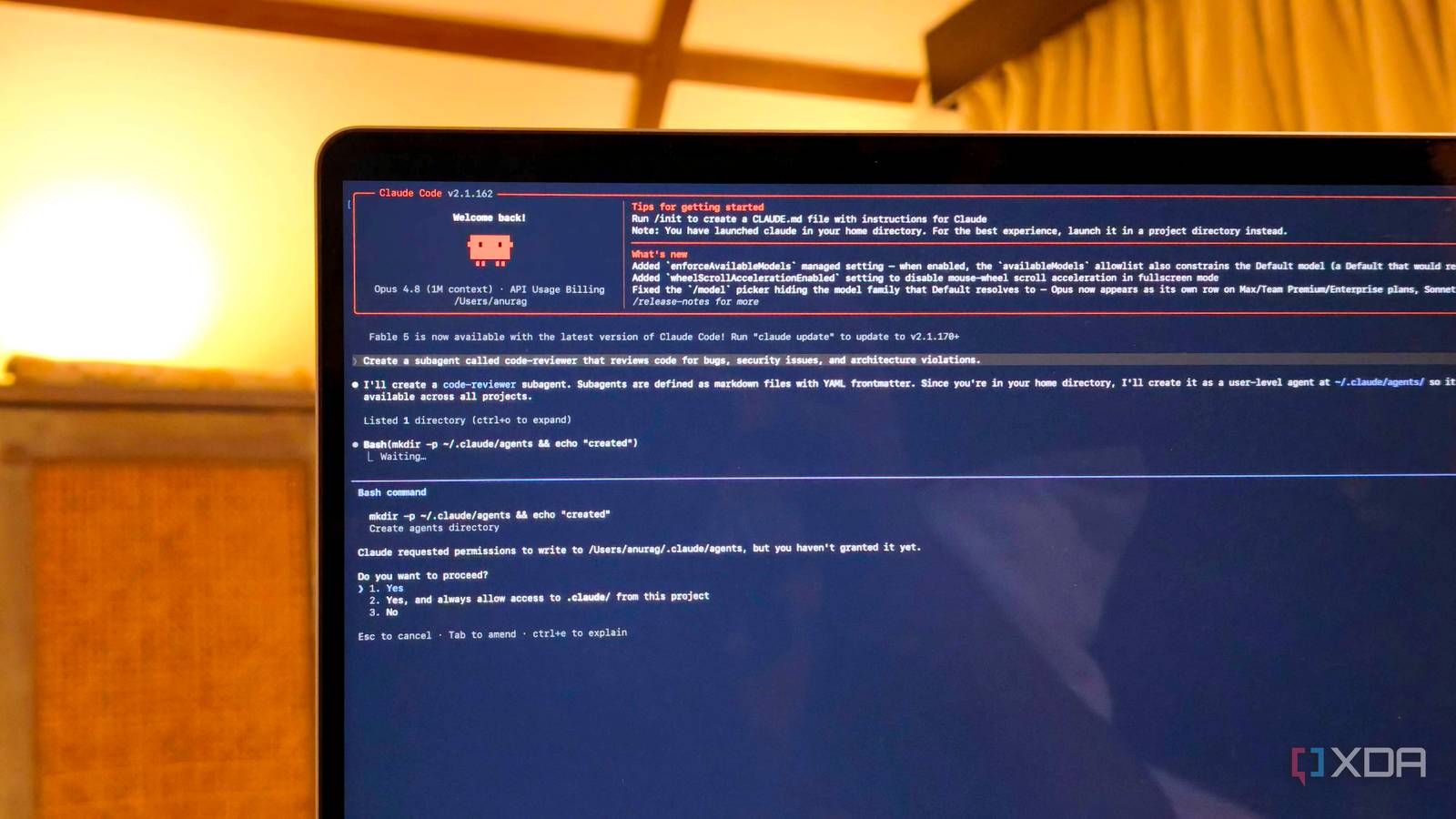
A two-hundred-line instruction manual might feel like the perfect way to train an AI—but when it comes to coding assistants like Claude Code, that approach can quickly turn counterproductive. A recent experience highlights how an overly detailed CLAUDE.md file, meant to streamline AI behavior, ended up creating more friction than clarity.
When Good Intentions Go Too Far
The CLAUDE.md file is designed to act as a living guide for AI assistants, outlining project-specific rules, coding styles, and workflow preferences. In theory, it should make interactions smoother by aligning the AI’s responses with a developer’s expectations. Yet, as one developer discovered, loading it up with excessive details can lead to confusion rather than efficiency. The file becomes harder to maintain, updates risk introducing inconsistencies, and the AI itself may struggle to parse conflicting or overly granular instructions.
The Balance Between Guidance and Flexibility
The key takeaway isn’t that custom instruction files are inherently flawed—rather, their effectiveness depends on thoughtful curation. A concise CLAUDE.md that focuses on high-level principles tends to work better than a sprawling document filled with edge-case scenarios. Developers using such files should treat them as dynamic tools, regularly refining them based on real-world usage rather than treating them as static rulebooks.
For teams integrating AI assistants into their workflows, this lesson serves as a reminder: automation thrives on clarity, not clutter. The best AI collaborators respect boundaries while adapting to context—not the other way around.
Source: XDA Developers. AI-assisted editorial synthesis — TechnoExpress.