

AMD GPUs make running local LLMs surprisingly simple
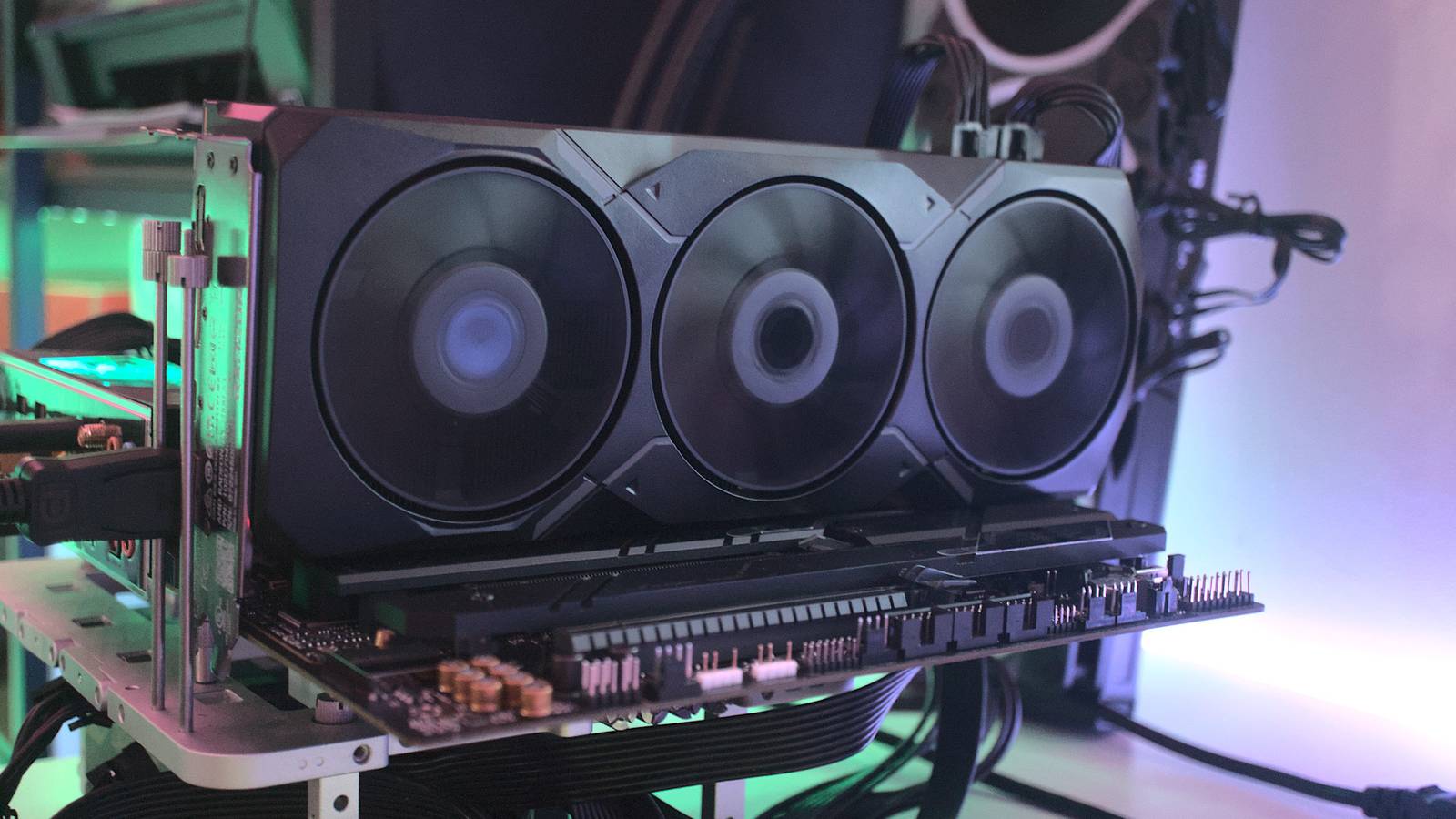
Running large language models at home no longer means locking yourself into Nvidia hardware. A recent hands-on test shows that AMD GPUs handle local LLMs with surprising ease, letting users keep their data private and their wallets intact.
For years, Nvidia’s CUDA stack and Tensor Cores were considered the de-facto standard for AI workloads. But a growing ecosystem of open-source tools now supports AMD’s ROCm platform, making it possible to run models like Llama or Mistral without sending queries to the cloud. The experiment highlights how straightforward it has become: after a few driver updates and a couple of command-line installs, the journalist had a working local instance of an LLM, all powered by an AMD graphics card.
No longer just for Nvidia users
The shift matters because it lowers the barrier to self-hosted AI. Until recently, choosing AMD meant wrestling with fragmented ROCm support or hunting for compatible GPUs. Today, mainstream cards like the Radeon RX 7900 XT can run inference smoothly, and software like vLLM or llama.cpp now include ROCm backends. The process still demands some tinkering—editing config files, picking the right model quant, and monitoring VRAM—but it’s far less daunting than it was even a year ago.
What this means for privacy and flexibility
Self-hosting LLMs brings clear benefits: no recurring cloud fees, full control over data, and the freedom to experiment with different model sizes and fine-tunes. For users wary of sending sensitive prompts to third-party servers, an AMD-powered local setup can be a practical middle ground between convenience and confidentiality. It also diversifies the hardware options available to AI enthusiasts, reducing reliance on a single vendor’s stack.
Why it matters
This development chips away at Nvidia’s long-standing dominance in AI workloads by proving that AMD GPUs are viable for local LLMs. It signals a healthier, more competitive market where users aren’t locked into one ecosystem—especially important as generative AI seeps into everyday tools. For privacy-focused users, the takeaway is simple: you no longer need a data-center-grade GPU or a cloud subscription to run powerful language models at home.
Source: XDA Developers. AI-assisted editorial synthesis — TechnoExpress.