

Local LLMs get smarter without taking over your inbox
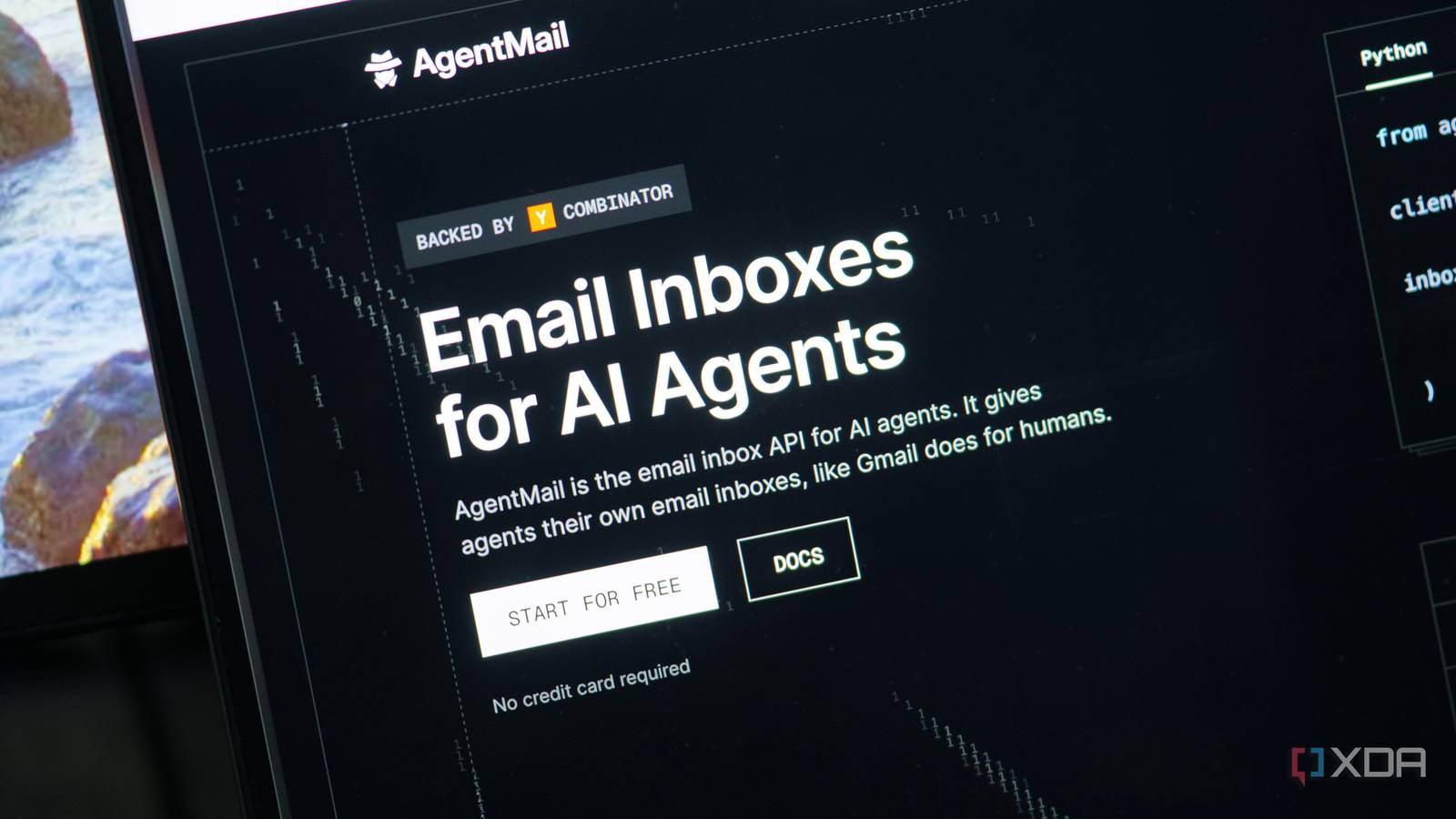
Every AI assistant seems eager to scan your email—Gemini can summarize Gmail, Copilot drafts replies in Outlook, and Apple Intelligence flags what it deems important. Yet these tools usually demand sweeping access to your entire inbox, raising privacy concerns for anyone reluctant to hand over every message to a cloud service.
A growing workaround lets users run a local large language model (LLM) that reads only the messages it needs, without granting OAuth-style access to everything. The setup keeps sensitive data on device and limits exposure to third-party servers, all while still letting the AI assist with tasks like drafting replies or pulling out key details from specific threads.
The limits of full inbox access
Most cloud-based AI assistants require broad permissions because they process information remotely. That means each email—personal notes, financial statements, private conversations—travels to a company server for analysis. Even if an app claims it only uses metadata, the permission model still opens the door to potential overreach or accidental data leaks.
How local LLMs change the game
Why it matters
For privacy-focused users, the shift from cloud-based to local AI assistance isn’t just technical—it’s a fundamental rethinking of how much control we surrender to AI tools. It also pressures big tech to offer clearer, more granular permission models, or risk losing users who prioritize data confidentiality over convenience. The trend could accelerate adoption of local LLMs not only for email, but for other sensitive workflows where full access feels unnecessary.
Source: XDA Developers. AI-assisted editorial synthesis — TechnoExpress.