

AI Summaries Can Fabricate Details—Here’s the Risk
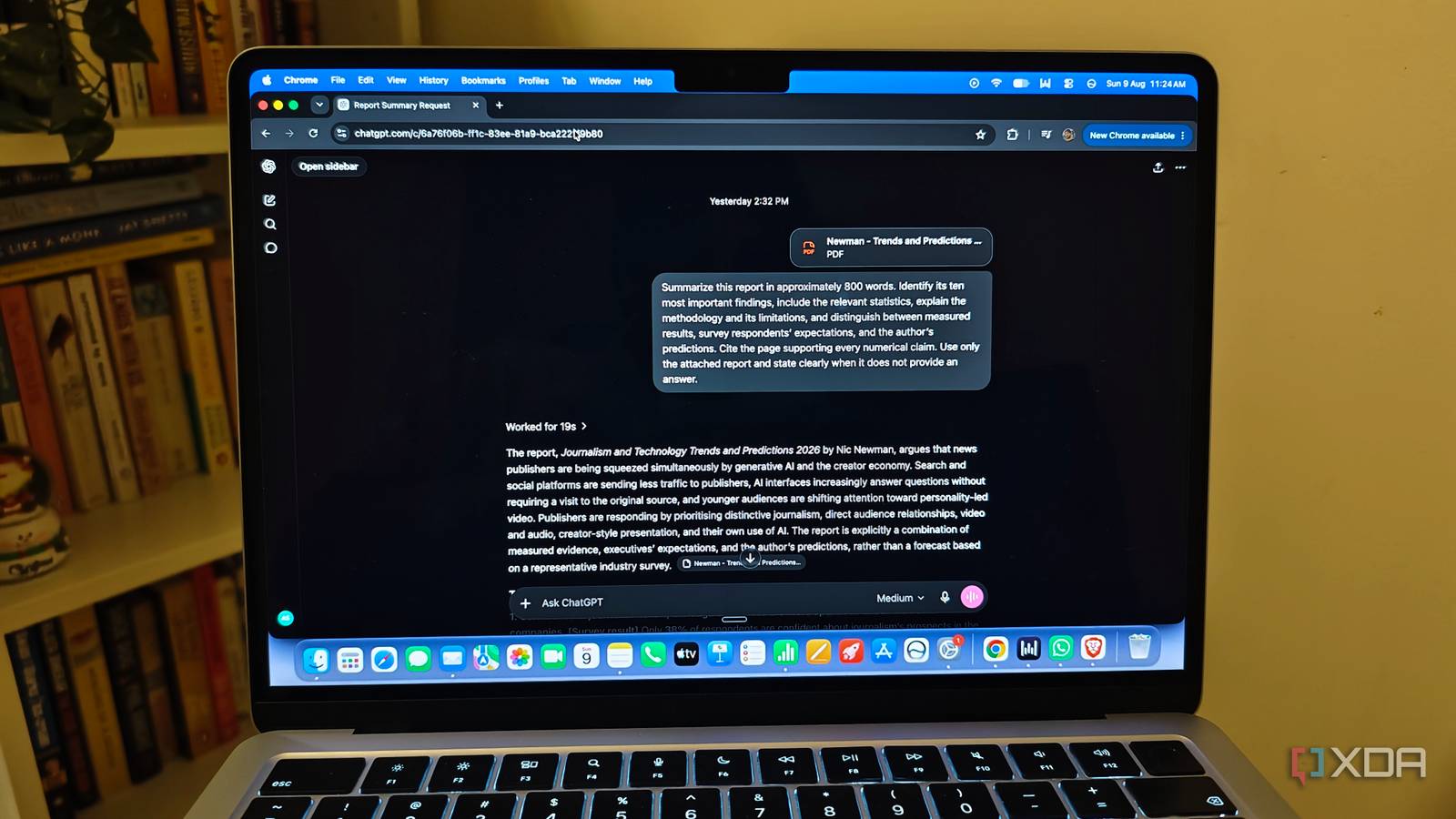
A quick test of three leading AI assistants shows they can confidently fabricate details when summarizing a document—even when the original text is on hand. In a controlled experiment, ChatGPT, Claude, and Gemini each produced summaries that included plausible-sounding but entirely invented facts. The takeaway: if you haven’t read the source yourself, you may never know an AI summary is wrong.
The Experiment’s Setup
The test began with a real 100-page report the author had personally read. Each AI was asked to condense the document into a short summary. All three models returned concise overviews that mirrored the report’s structure and tone—until key specifics were checked. Phrases like “the study found a 12% increase in X” turned out to be fabrications; the actual report contained no such figure. What looked like reliable synthesis was, in fact, creative paraphrasing with added flourishes.
Why Confidence Can Be Misleading
Users often trust AI summaries because the language feels authoritative and the presentation is clean. The same polished tone that makes summaries easier to digest can mask the absence of verifiable evidence. In professional settings—legal research, regulatory filings, or academic work—this gap between presentation and accuracy can lead to costly errors. The risk isn’t just minor typos; it’s plausible falsehoods slipping into documents that influence decisions.
What This Means for Everyday Use
For casual users skimming news or product reviews, the occasional made-up detail may be harmless. But for anyone relying on AI to summarize contracts, research papers, or compliance documents, the stakes are higher. There’s currently no built-in mechanism for most consumer-facing AI tools to flag uncertainty or source-check claims in real time. Until verification improves, the burden remains on the user to cross-check summaries against originals—a step many won’t take.
Why it matters
This experiment highlights a fundamental tension in AI adoption: speed versus trust. As models grow more fluent, their errors become harder to spot, yet the consequences of those errors can still be real. For industries where precision matters, the gap between “good enough” and “accurate” isn’t just technical—it’s operational. Until AI systems can reliably distinguish between synthesis and invention, human oversight isn’t optional; it’s essential.
Source: XDA Developers. AI-assisted editorial synthesis — TechnoExpress.