

PCIe 5.0 SSDs miss the mark as Gen 4 keeps winning
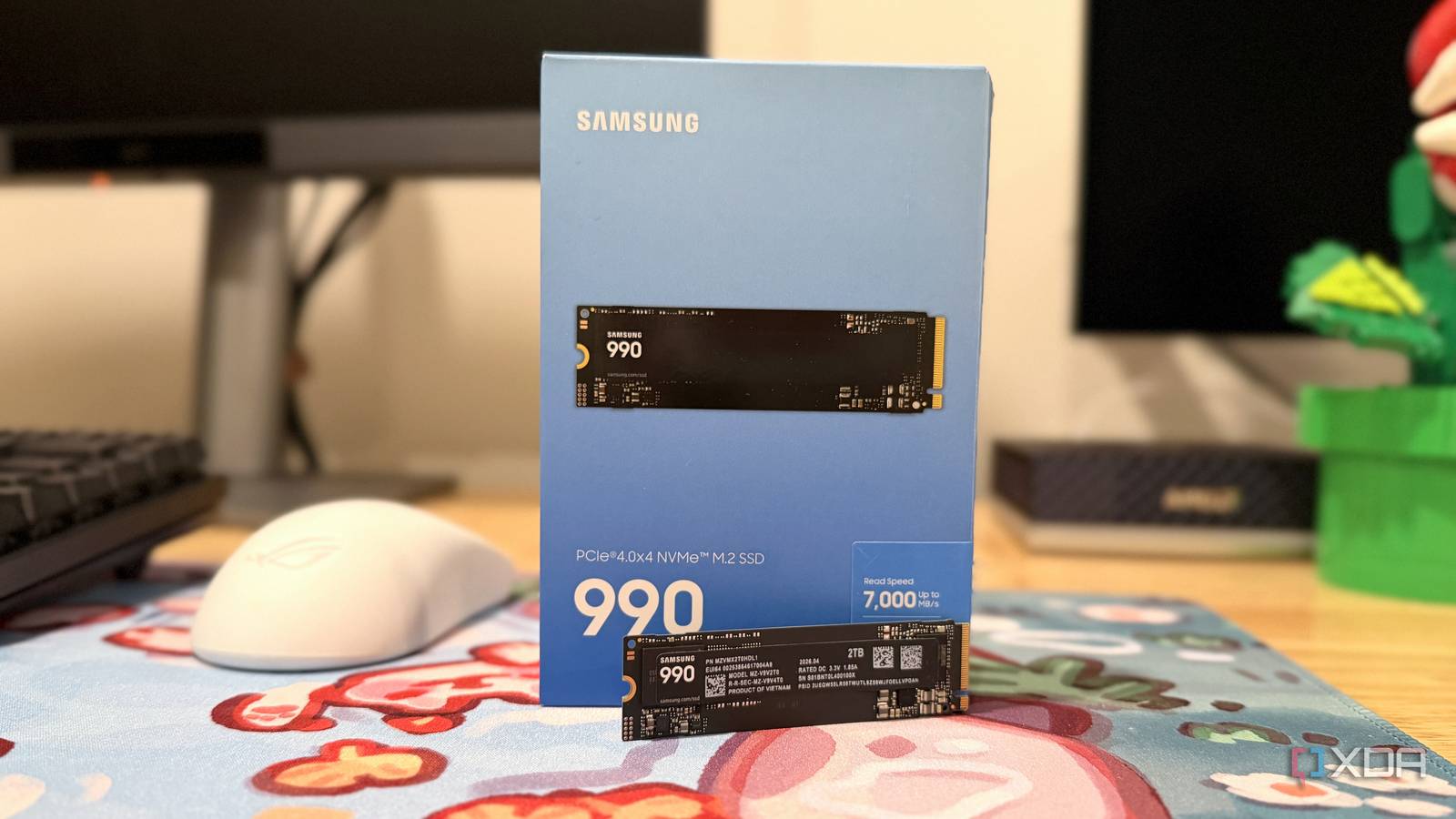
The fastest NVMe SSDs today can push 14,000 MB/s, but most PCs never come close to touching those numbers on a daily basis. After years of marketing Gen 5 drives as the next big leap, manufacturers are quietly rolling out more PCIe 4.0 models—because, for most workloads, the extra bandwidth simply isn’t worth the cost or heat.
Why Gen 5 feels like a sports car in stop-and-go traffic
PCIe 5.0 SSDs double the raw throughput of Gen 4 drives, yet real-world gains are often minimal. Copying large video files or running heavy editing software will see measurable improvements, but everyday tasks like launching apps, loading games, or saving documents remain bottlenecked by CPU, RAM, or the software itself. Benchmarks from XDA Developers show that in many scenarios the difference between Gen 4 and Gen 5 is a handful of seconds at best, easily erased by slower storage controllers or background processes.
Heat, price and the silent return of Gen 4
The shift back toward PCIe 4.0 isn’t just about performance—it’s about practicality. Gen 5 drives run hotter and demand robust cooling solutions, adding bulk and cost to laptops and compact desktops. Meanwhile, Gen 4 drives now offer capacities up to 8 TB at prices that undercut early Gen 5 adopters by hundreds of dollars. OEMs seem to have noticed: instead of pushing Gen 5 as the default, they’re shipping systems with reliable, power-efficient Gen 4 storage that still feels instant for the average user.
What’s next: 6.0 already knocking?
Ironically, the industry’s focus on Gen 5 may be a temporary detour. PCIe 6.0 is on the horizon with yet another doubling of bandwidth, but early analysis suggests even that leap will only matter for niche workloads like multi-camera 8K editing or large-scale database operations. Until software and storage controllers catch up, the sweet spot for most buyers remains PCIe 4.0—fast enough for daily life, cool enough for thin devices, and cheap enough to leave room in the budget for things that actually improve productivity.
Why it matters
The retreat from PCIe 5.0 underscores a simple truth: raw specs don’t equal real-world value. For the majority of users, the jump to Gen 5 delivers diminishing returns while adding heat and expense. The industry’s pivot back to Gen 4 isn’t a retreat; it’s a return to sanity, ensuring that storage upgrades deliver tangible benefits rather than headline numbers that rarely translate to faster workflows.
Source: XDA Developers. AI-assisted editorial synthesis — TechnoExpress.