

Mismatched RAM can silently cripple your PC’s speed
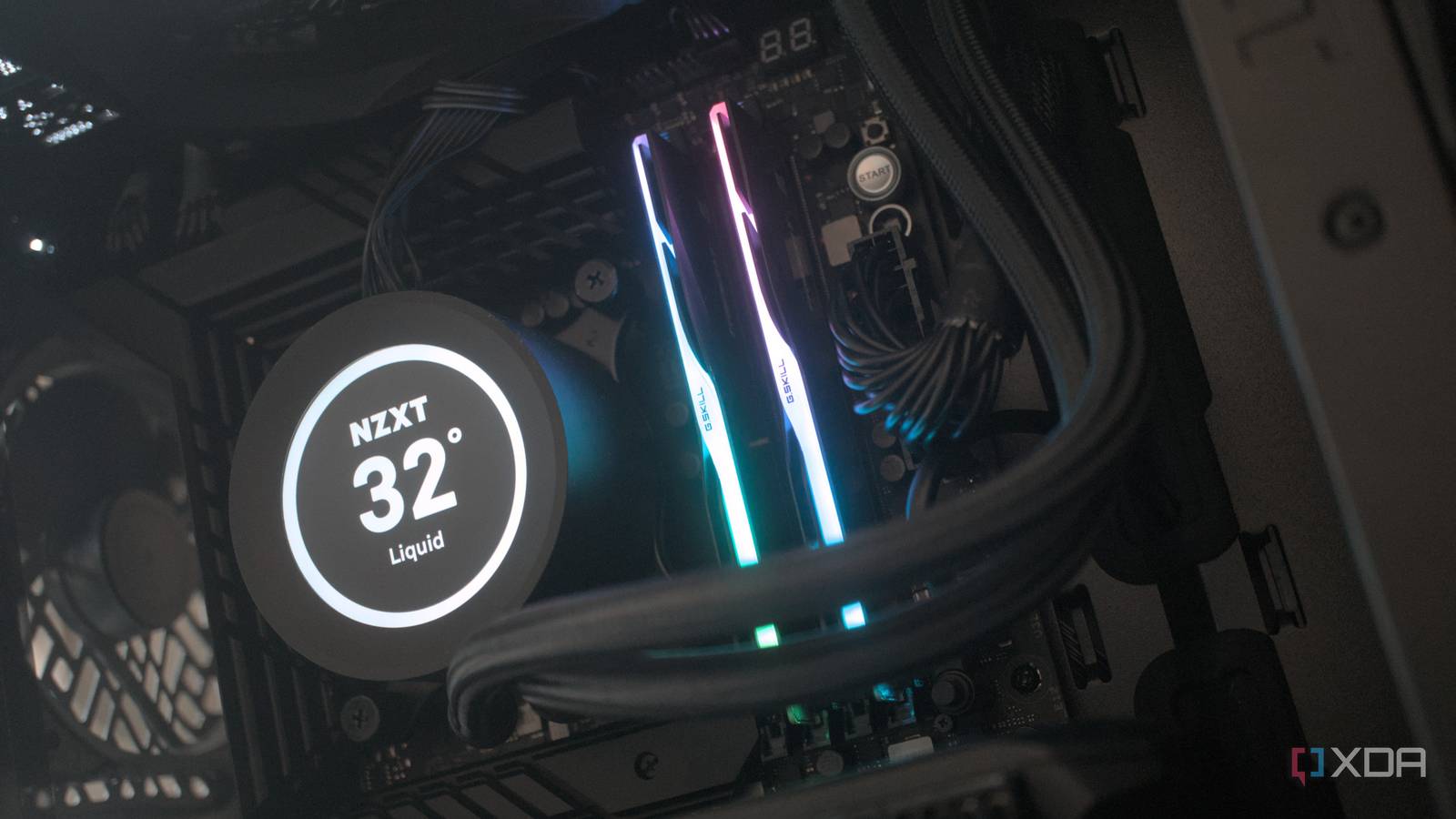
Most people upgrade their PC’s memory expecting a quick speed boost, only to find their system crawling instead. The culprit? Mismatched RAM sticks—pairs of memory modules with different speeds, timings, or capacities that force the whole system to downclock to the slowest stick’s pace. In today’s inflated RAM market, where a single 16GB DDR5 module can cost three or four times its usual price, some buyers are cutting corners by mixing and matching what’s available. What looks like a thrifty move, however, often becomes a costly mistake.
## The hidden cost of “good enough” RAM
When you slot two RAM sticks with different specs into a dual-channel motherboard, the system doesn’t magically average their performance. Instead, it defaults to the lowest common denominator: the slower stick. A high-speed DDR5-6000 kit paired with an older DDR5-4800 module, for instance, will often force the entire configuration down to 4800 MT/s. Latency suffers too, as the memory controller struggles to synchronize timings across mismatched chips. The result? Frame drops in games, laggy multitasking, and a system that feels older than its parts.
## Why the RAM shortage makes it tempting—and risky
Global supply chain issues and high demand have sent RAM prices soaring, leaving many builders with no choice but to improvise. A single 16GB DDR5 stick can now exceed $100, pushing some to mix brands, generations, or even capacities just to stay within budget. Manufacturers warn that while modern systems tolerate minor mismatches better than in the past, significant differences still trigger throttling. The safest path remains a matched kit from the same manufacturer, but when prices spike, that advice is easier said than done.
Why it matters
For casual users, mismatched RAM might only cause subtle slowdowns—annoying but not catastrophic. Gamers and creators, however, will notice stuttering and longer render times, eroding the value of a high-end build. More broadly, this trend highlights how supply chain disruptions ripple through hardware choices, forcing compromises that degrade performance. The lesson? When RAM prices spike, patience pays off. A matched kit may cost more upfront, but it preserves the speed and stability you’re paying for.
Source: XDA Developers. AI-assisted editorial synthesis — TechnoExpress.