

Microsoft quietly phases out Windows Media Player legacy
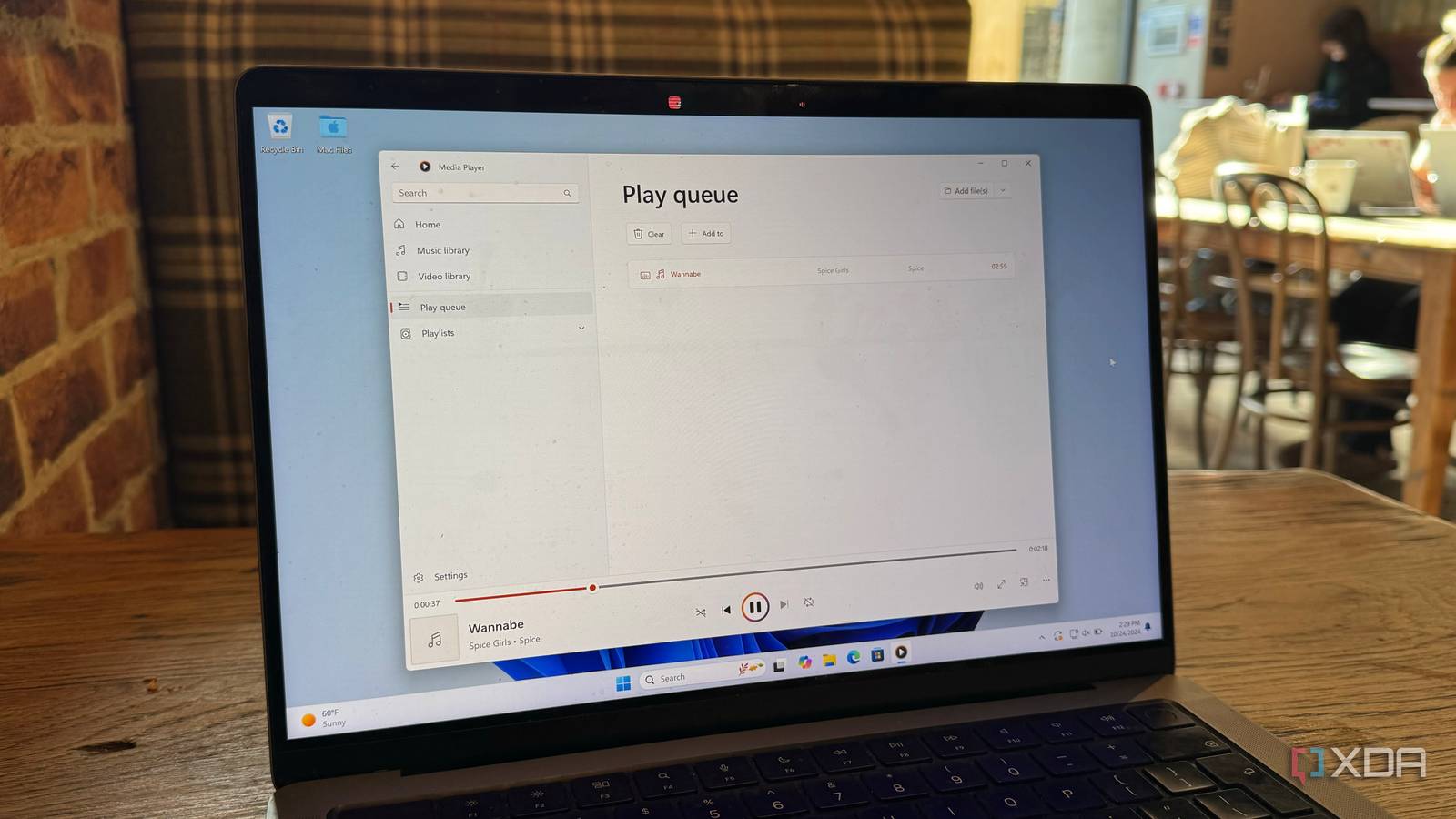
Microsoft is quietly making it harder to rely on the classic Windows Media Player as the company pushes its modern Media Player app. The shift is part of the broader Windows K2 initiative, which aims to streamline and modernize core Windows experiences. Small but meaningful changes have started to appear, subtly steering users away from the legacy player without an outright ban.
A nudge, not a knockout
Rather than removing Windows Media Player overnight, Microsoft is introducing limits that make the old app less convenient. Some users report that file associations are being reset, default playback behaviors are changing, and certain legacy features are being disabled through updates. These moves are designed to encourage adoption of the new Media Player app, which Microsoft positions as faster and better integrated with modern Windows 11 workflows.
Why legacy support fades
The company’s push reflects a broader trend: phasing out older software to reduce maintenance overhead and improve security. Windows Media Player has been around for decades, and while it remains functional, its codebase is outdated. Microsoft’s modern app is built on newer frameworks, offering better performance and tighter integration with features like HDR playback and cloud-connected libraries.
Why it matters
For users who still rely on the legacy player, these changes signal that Microsoft is accelerating its transition away from older software. While the old app isn’t gone yet, the gradual inconveniences serve as a reminder to adapt to the new standard. For IT teams and developers, the shift highlights the importance of staying ahead of platform changes to avoid disruptions. Eventually, the legacy player may disappear entirely—so planning for the transition now could save headaches later.
Source: XDA Developers. AI-assisted editorial synthesis — TechnoExpress.