

Mini-LED monitors face harsh energy ratings—here’s why it’s not the whole story
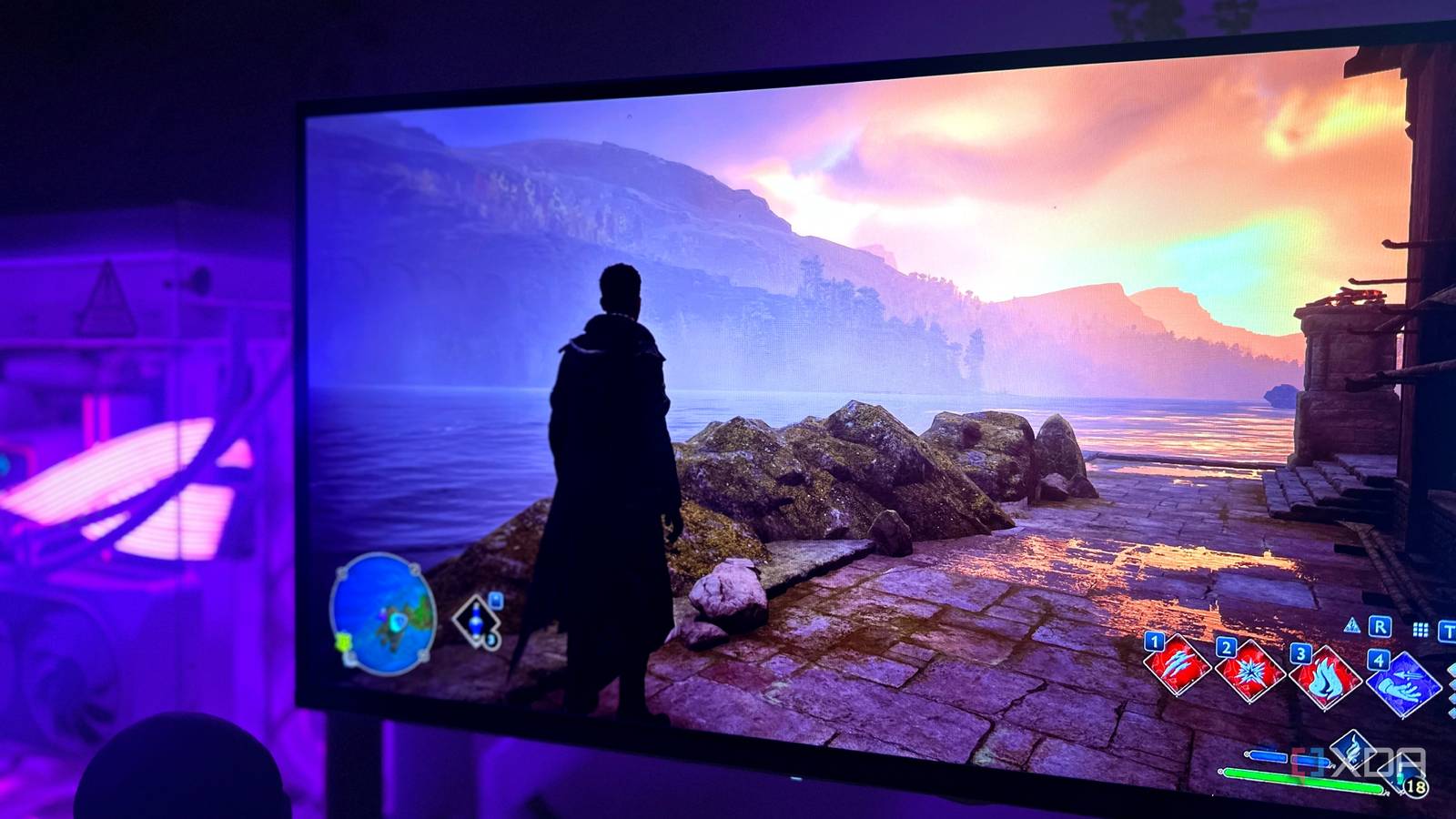
Mini-LED monitors are quietly redefining home entertainment with jaw-dropping contrast and brightness, yet their energy labels often paint a grim picture. Unlike traditional LED panels, these displays use hundreds of tiny LED backlights to deliver near-OLED depth—at the cost of higher power draw during peak HDR scenes. For enthusiasts chasing lifelike fireworks or deep blacks, that trade-off feels justified. But regulators and shoppers relying on energy ratings may walk away unimpressed.
A picture-perfect compromise that costs watts
The technology behind mini-LED hinges on precision backlighting. Each zone of LEDs dims or brightens independently, creating razor-sharp contrast without the uniformity issues of older edge-lit panels. When a scene demands peak brightness—say, a rocket burst in HDR—the monitor’s power consumption spikes, sometimes pushing energy labels toward the red. Yet, most users rarely notice the difference in daily use. Average office documents or streaming content draw far less power, keeping real-world consumption closer to standard LED monitors.
Why the label misses the point
Energy labels were designed for steady workloads, not dynamic displays. A fridge running 24/7 or a TV showing a single brightness level fits the metric perfectly; a mini-LED monitor thrives on change. During quiet scenes, it sip power like a standard panel, but in HDR moments, it briefly behaves like a spotlight. The rating system hasn’t caught up to this variability, leaving buyers confused by a single number that doesn’t reflect their actual experience.
Why it matters
The mismatch between energy labels and mini-LED performance highlights a growing gap between regulation and real-world tech. While sustainability remains critical, efficiency metrics must evolve to reward dynamic, high-performance displays that deliver superior visuals without constant high wattage. For consumers, this means weighing the premium picture against a less-than-flattering energy badge—and asking whether labels should account for adaptability, not just averages. Until then, the best display for your eyes might still be the one that leaves your wallet’s energy guilt unaddressed.
Source: XDA Developers. AI-assisted editorial synthesis — TechnoExpress.