

Neanderthals and humans: 20,000 years of cultural exchange
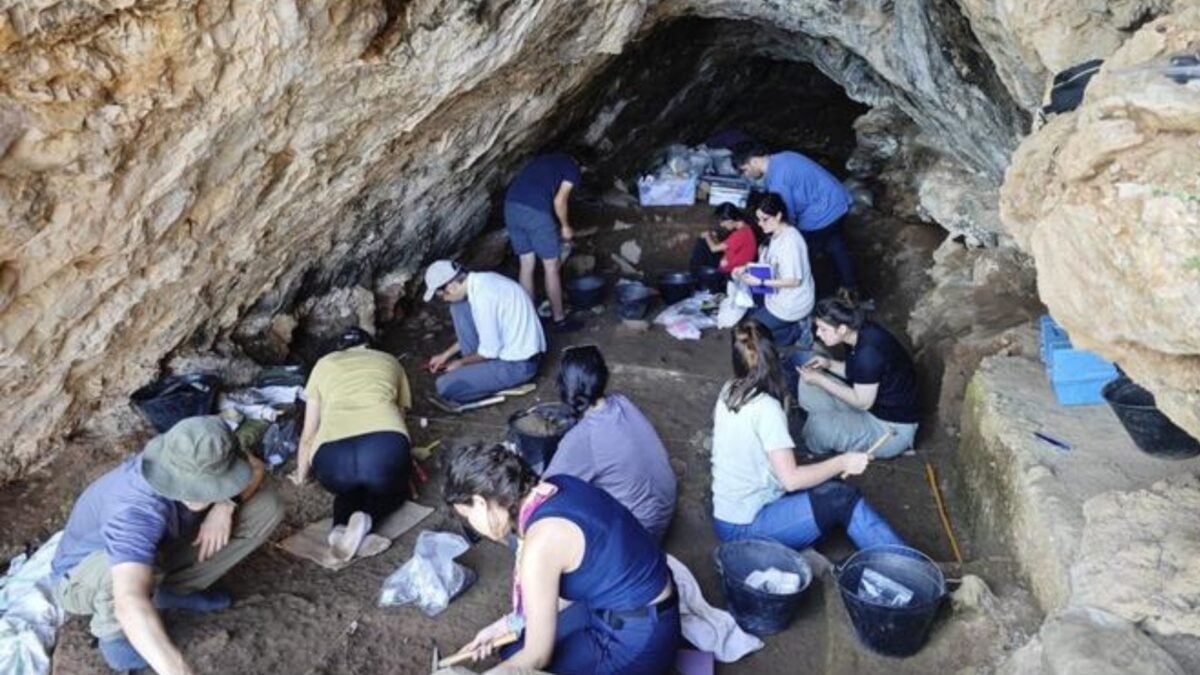
A cave in southern Türkiye has just rewritten a chapter of human prehistory. Excavations at the site revealed clear signs that Neanderthals and Homo sapiens coexisted—and exchanged ideas—for roughly 20,000 years, long before Neanderthals vanished. The discovery pushes back the timeline of cultural interaction between our species and underscores how porous the boundaries between archaic and modern humans once were.
A melting pot of innovation
Researchers unearthed stone tools, survival techniques, and even symbolic objects that appear in both Neanderthal and early human layers from roughly 45,000 to 25,000 years ago. The artefacts suggest shared technological traditions, such as specific blade-making methods and hunting strategies, rather than mere side-by-side living. “We’re seeing cultural transmission, not just coexistence,” said one archaeologist involved in the dig. The evidence also hints at the exchange of decorative items, indicating that symbolic communication may have crossed species lines.
What this means for our origins
The findings complicate the traditional narrative that Neanderthals were isolated, static populations overtaken by more advanced humans. Instead, the cave’s stratified layers show a dynamic give-and-take: innovations in tool design, raw material sourcing, and even personal adornment appear to have flowed in both directions. Genetic studies have already confirmed limited interbreeding, but this discovery shows that cultural exchange may have been just as significant a bridge between the two groups.
Why it matters
This is more than an academic footnote: it reshapes how we view the emergence of modern human behaviour. If Neanderthals were active participants in cultural evolution rather than passive recipients, our shared past looks less like a one-way takeover and more like a collaborative process. For anthropologists, it means re-examining other Eurasian sites for similar traces. For the rest of us, it’s a reminder that the story of “us” has always been a story of entanglement—and that innovation rarely respects neat species boundaries.
Source: Gizmodo. AI-assisted editorial synthesis — TechnoExpress.