

Why developers are rethinking how they use Claude Code
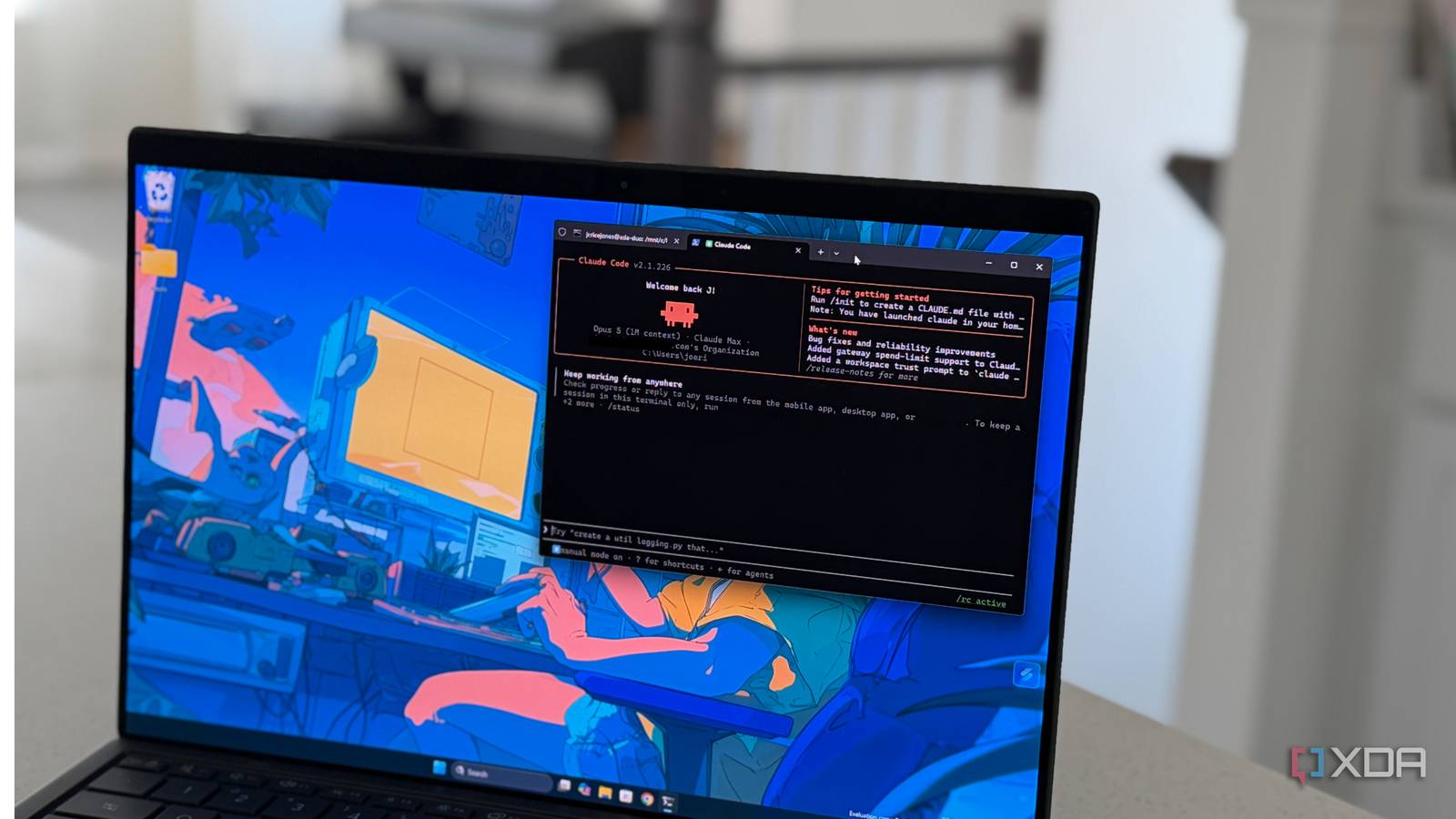
Last year, many developers treated Claude Code like an advanced text editor—handy for small tweaks in the terminal but rarely pushed beyond basic tasks. That’s starting to change as teams experiment with multi-agent setups, where specialized subagents handle distinct parts of a project instead of relying on a single assistant. The shift isn’t just about offloading work; it’s about rethinking what an AI coding tool can do when it stops being a one-trick autocomplete and starts acting like a coordinated team.
Beyond autocomplete: the rise of agent teams
The key insight isn’t that Claude Code generates code faster—it’s that developers are now using it to delegate entire workflows. One example is homelab management, where a primary agent coordinates smaller agents to monitor systems, apply patches, or log changes without constant human oversight. Another is long-term memory: instead of manually feeding context into every prompt, teams assign an agent to retain project history, reducing redundant explanations and speeding up iterations.
When projects fall short—and why
Not every experiment succeeds. Some developers found that even with multiple agents, their projects underdelivered because the tasks weren’t complex enough to justify the overhead. Others hit limits when the agents lacked clear boundaries, leading to tangled dependencies or unclear ownership. The lesson? Multi-agent setups work best for problems that are naturally divisible—like testing, deployment, or documentation—rather than monolithic coding challenges.
Why it matters
For developers, the takeaway is clear: Claude Code’s value isn’t in writing code faster, but in structuring workflows that were previously too fragmented to automate. The shift from solo assistant to team orchestrator mirrors how cloud services moved from single VMs to auto-scaling clusters. Those who adapt early won’t just save time—they’ll start building systems where AI agents handle the repetitive parts, freeing humans to focus on design and strategy. The real competition isn’t who writes the most lines of code, but who designs the most effective agent ecosystems.
Source: XDA Developers. AI-assisted editorial synthesis — TechnoExpress.