

Why your NVMe SSD upgrade might not be the speed boost you expected
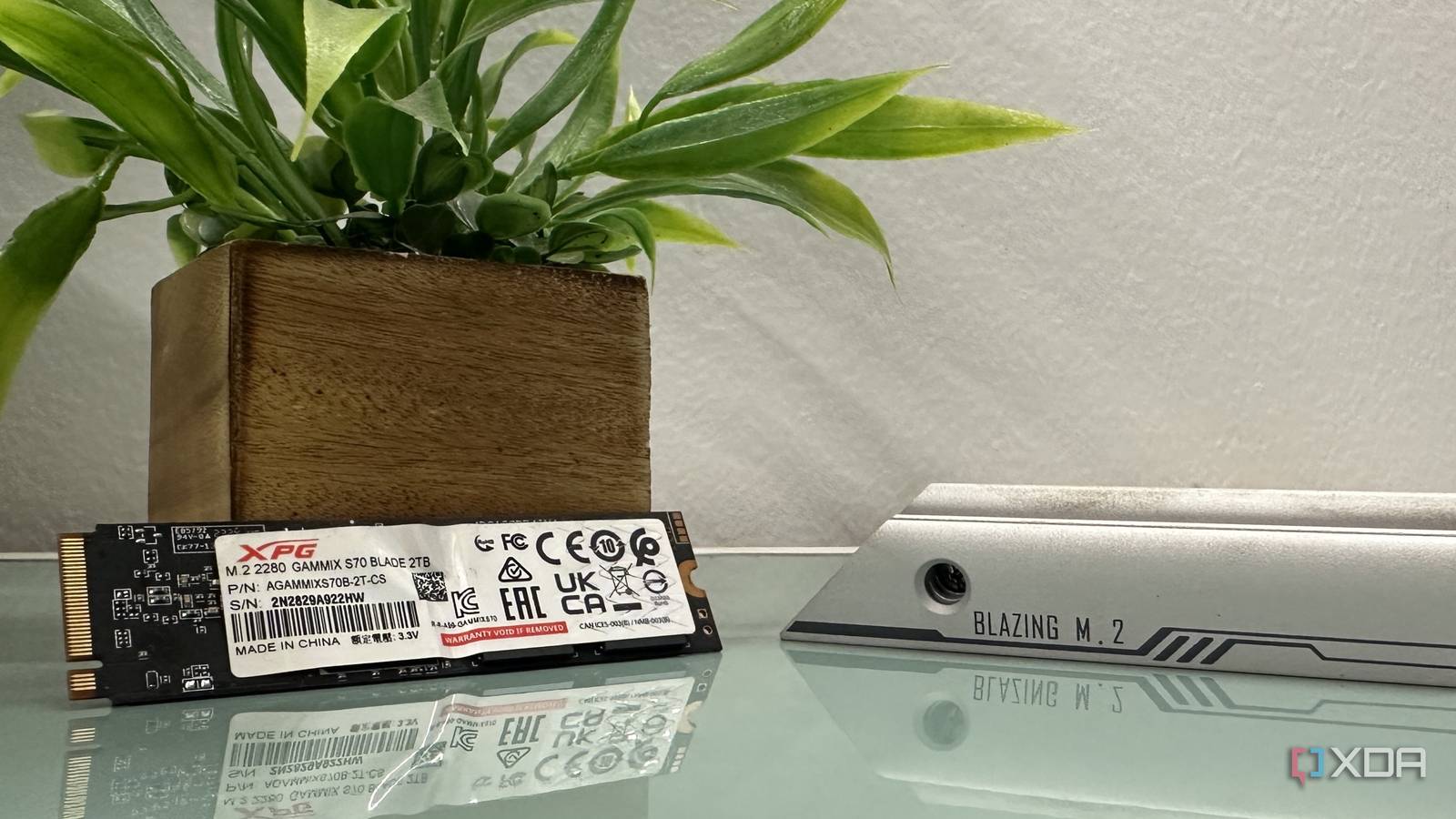
When PCIe Gen 4 NVMe SSDs arrived with sequential speeds up to 7,000 MB/s, they seemed like the ultimate upgrade for any PC. Yet, as one tech enthusiast discovered after switching from a SATA SSD, raw drive performance often matters less than you’d expect.
The shift from SATA to NVMe promised dramatic improvements, but the reality turned out more nuanced. Modern CPUs and RAM frequently handle data faster than older components can keep up, leaving NVMe’s theoretical bandwidth underutilized. Even gaming and everyday tasks often rely more on CPU cache and memory bandwidth than on storage throughput.
The hidden limits of NVMe performance
While NVMe drives excel in sequential reads and writes, real-world usage often involves smaller, random I/O operations. Many applications and operating systems aren’t optimized to fully exploit NVMe’s potential, meaning the drive’s headline speeds rarely translate to noticeable gains in day-to-day tasks. This gap between marketing numbers and practical performance highlights how system bottlenecks can shift with each hardware generation.
When upgrading storage actually makes a difference
NVMe upgrades still matter in specific scenarios—like video editing, large file transfers, or professional workloads with heavy read/write operations. For these use cases, the drive’s sustained performance and lower latency can justify the cost. However, for the average user running office software or casual gaming, the jump from SATA to even high-end NVMe may feel underwhelming.
Why it matters
This revelation underscores a key lesson for PC builders: chasing raw specs without considering the rest of the system can lead to diminishing returns. Investing in a top-tier NVMe drive won’t compensate for an outdated CPU or insufficient RAM. Before upgrading storage, users should assess whether their system’s other components can truly leverage the new drive’s capabilities—or risk spending on potential that remains unrealized.
Source: XDA Developers. AI-assisted editorial synthesis — TechnoExpress.