

Preserving Code for a Thousand-Year Linux Future
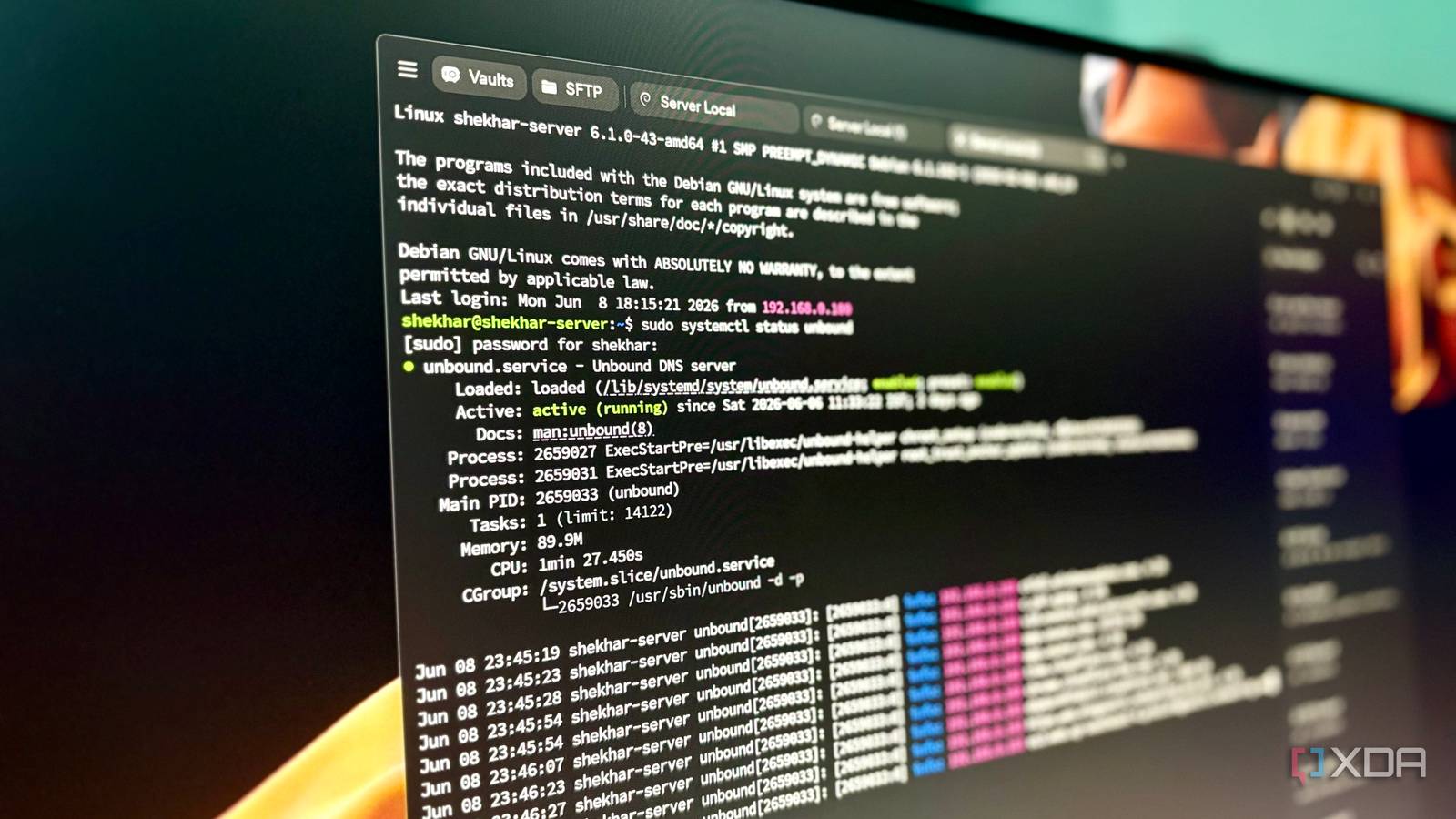
In the year 3024, a descendant of today’s Linux systems may still be executing commands written in 2024. A new open-source project is tackling the daunting challenge of running software a thousand years from now, ensuring both technical survival and human readability.
A Challenge Beyond Code
Keeping software alive for a millennium requires more than robust hardware and stable dependencies. The creators must also consider how future civilizations will interpret today’s code, documentation, and interfaces. Without clear context, even simple programs risk becoming indecipherable artifacts. The project proposes embedding contextual clues directly into the software stack, creating a kind of digital Rosetta Stone to translate present-day computing into future languages.
Building Blocks for Eternity
At its core, the distribution focuses on minimizing dependencies while maximizing transparency. By favoring widely documented standards and avoiding proprietary formats, the team hopes to reduce the risk of obsolescence. The system also prioritizes plain-text documentation and human-readable formats, making it easier for archaeologists or historians—centuries from now—to reconstruct how the software functioned. Early versions emphasize modularity, allowing components to be swapped or replaced without disrupting the entire framework.
Why This Matters Now
While the idea of 3,000-year-old software may sound like science fiction, the project highlights a growing need for long-term digital preservation. Libraries, governments, and researchers increasingly store critical data in formats that may not survive technological shifts. This initiative serves as a reminder that today’s digital heritage could vanish without deliberate effort. For open-source communities, it also represents a bold experiment in balancing innovation with conservation.
Source: XDA Developers. AI-assisted editorial synthesis — TechnoExpress.