

When Local AI Outperformed Scripts in a Home Lab Test
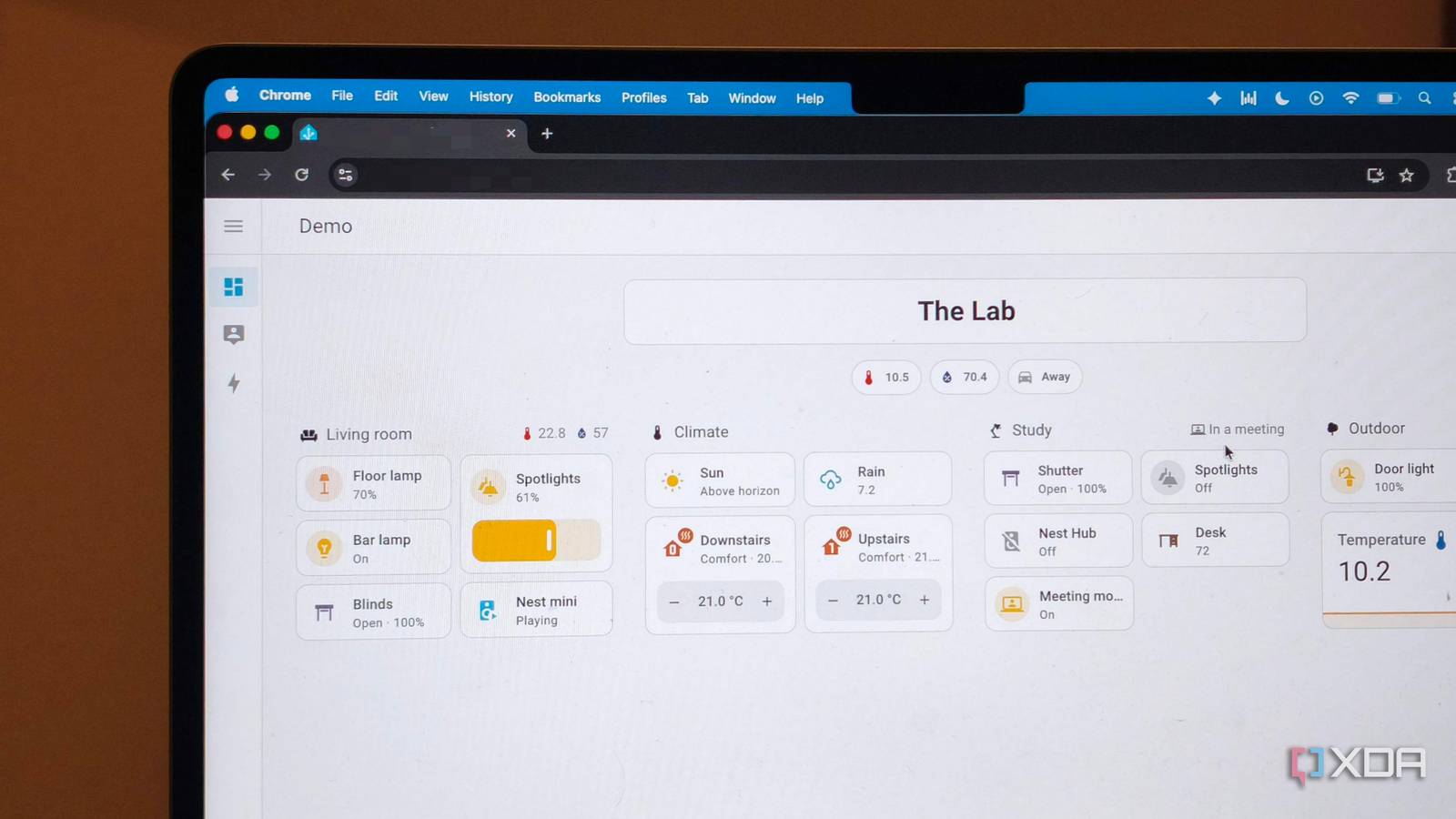
After years of relying on scripts to automate his home lab, one tester swapped them out for a local AI model—and the results flipped expectations. Where scripts demand rigid, pre-written rules for every possible scenario, the AI adapted on the fly to conditions like storage levels, service states, or command outputs. In side-by-side tests, the AI not only matched script reliability but handled edge cases the original code never anticipated.
The Limits of Scripting, Revisited
Traditional automation scripts excel at repetitive, predictable tasks—backups at 2 a.m., log rotations, or simple file transfers. Yet once variables like disk space or network latency enter the mix, scripts either break or require constant updates. The tester’s experience mirrors a broader frustration: maintenance overhead rises with complexity, and fragile logic can stall entire workflows when an unplanned condition appears.
How a Local Model Adapted
Instead of defining every contingency in code, the AI parsed natural-language instructions and observed real-time system data. It could pause a backup if storage neared capacity, restart a stalled service based on logs, or reroute data through a secondary path when primary routes failed. The model’s ability to generalize meant fewer one-off fixes—and no need to predict every failure mode up front.
Why it matters
For small-scale labs and beyond, this test underscores a shift: local AI isn’t just for chatbots anymore. It offers a pragmatic middle ground between rigid scripts and cloud-dependent automation, cutting maintenance while preserving control. The real win may be in environments where predictability is low and downtime is costly—exactly where scripts often stumble.
Source: XDA Developers. AI-assisted editorial synthesis — TechnoExpress.