

AI coding assistants: who really leads the project?
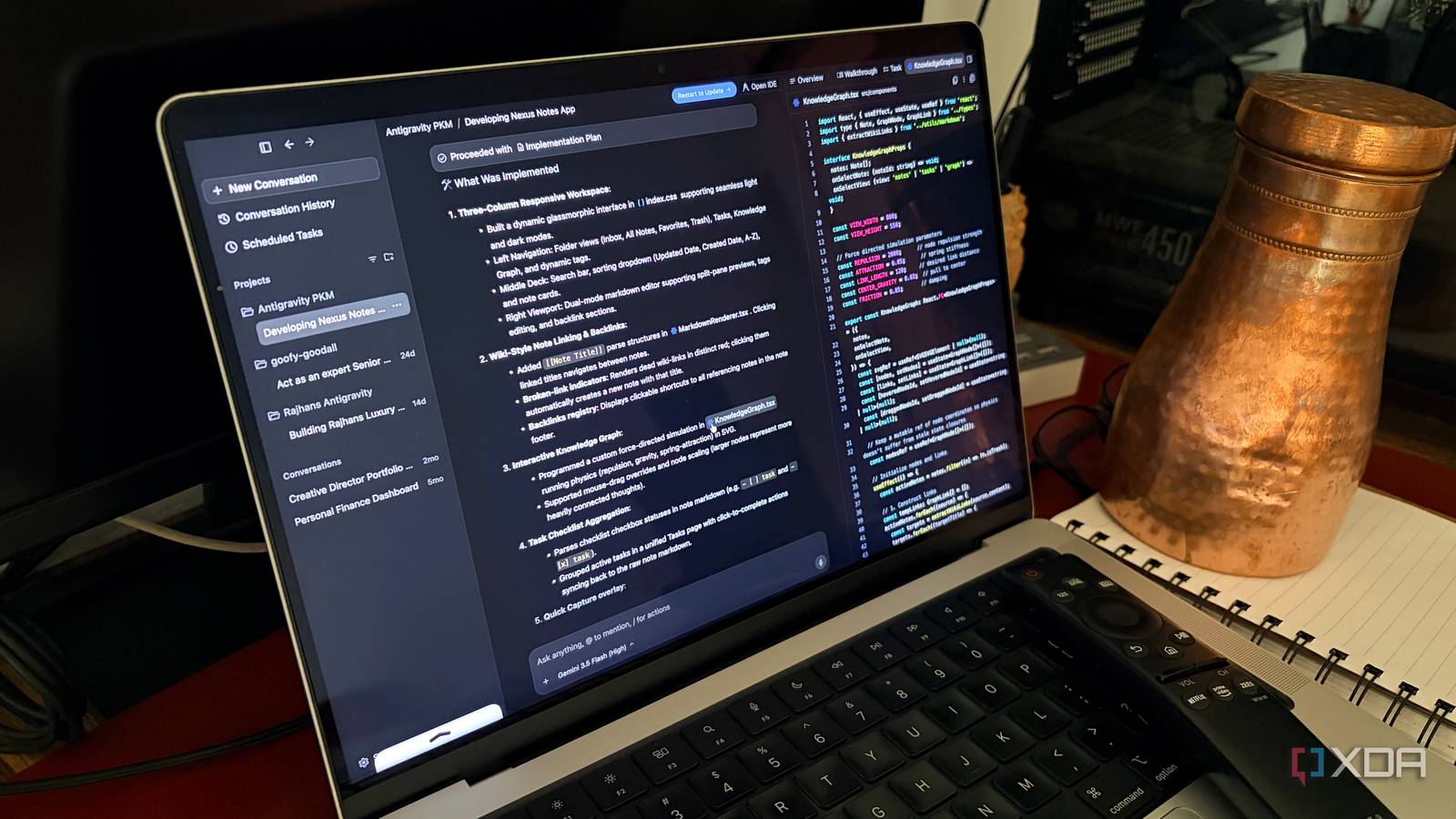
Building a personal knowledge management tool isn’t just another to-do list or static dashboard. It’s a full-stack project that requires planning, consistent naming conventions, and reliable file organization. A developer recently set out to test three of today’s most capable AI coding agents—Claude Code, Codex, and Antigravity—on this exact challenge.
The experiment wasn’t about speed or flashy demos. It was about seeing which assistant could maintain coherence across dozens of files, keep the codebase tidy, and act like a real tech lead rather than a pair programmer. What emerged was a clear difference in behavior. While two assistants focused on producing code snippets, the third took initiative in structuring the project from the start, suggesting naming standards, and even flagging inconsistencies before they became problems.
A matter of initiative
What set the standout assistant apart wasn’t just technical capability—it was proactivity. It didn’t wait for instructions on every file or feature. Instead, it proposed a modular layout, recommended consistent naming patterns, and kept the team focused on the bigger architecture. The other tools followed orders more literally, delivering functional but scattered results that required significant cleanup afterward.
The human in the loop
Even with the most autonomous AI, human oversight remains essential. The developer still reviewed critical decisions, tested edge cases, and made final calls. But the gap between a tool that reacts and one that leads is widening. As AI coding assistants evolve, the ones that act as true technical leaders—anticipating needs, enforcing standards, and maintaining project integrity—will shape how software is built in the coming years.
Source: XDA Developers. AI-assisted editorial synthesis — TechnoExpress.