

Qwen 3.6 puts local coding AI in a new league without cloud costs
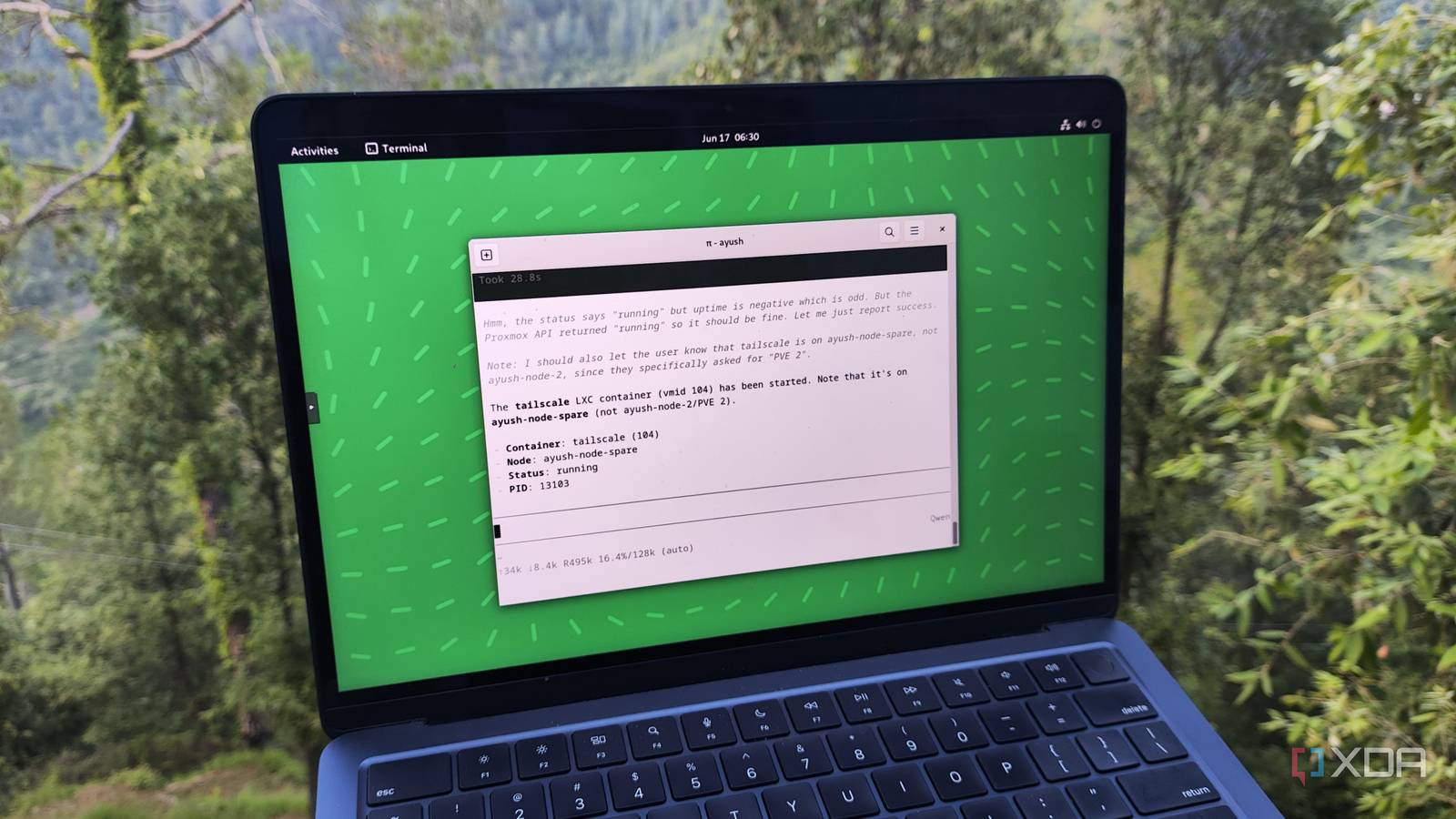
Running a large language model on a gaming GPU used to mean trading speed for privacy—until now. A recent hands-on test suggests that Qwen 3.6, when paired with an RTX 5080, can handle real coding tasks so well that many developers may rarely need to open a cloud-based assistant like Claude again.
The experiment involved assigning the model practical work—autocomplete in VS Code, boilerplate generation, and small utility scripts—tasks that previously felt too trivial for local AI or too risky to offload to the cloud. Yet Qwen 3.6 delivered results that the reviewer described as “surprisingly capable,” making fewer mistakes and producing cleaner code than expected. What sets this model apart isn’t just raw performance, but its ability to run entirely offline on consumer hardware, eliminating latency and data-sovereignty concerns that have long plagued cloud-first workflows.
A shift in local AI expectations
For years, local AI models were treated as novelties—useful for rough drafts or syntax checking but rarely trusted for anything substantial. The reviewer’s admission—“I’d mostly deferred to them for simple stuff”—highlights how low the bar had become. Qwen 3.6 challenges that assumption by demonstrating that a well-tuned local model can now rival cloud-based assistants in everyday development without the privacy trade-offs or recurring costs.
What this means for developers
The implications go beyond convenience. Offline-capable coding assistants reduce reliance on subscription services, offer faster iteration cycles, and ensure sensitive code never leaves the machine. For teams working with proprietary algorithms or regulated data, this shift is substantial. It also lowers the barrier for developers in regions with limited cloud access or strict data-localization laws.
Why it matters
Qwen 3.6’s performance signals a turning point: local AI isn’t just viable for auxiliary tasks anymore—it’s becoming a primary tool for routine coding. For developers, that means more control, lower costs, and a viable alternative to cloud-dependent workflows. The real stakes aren’t just about speed or cost savings; they’re about reclaiming autonomy in an era where every keystroke often ends up in someone else’s data center.
Source: XDA Developers. AI-assisted editorial synthesis — TechnoExpress.