

Raspberry Pi Zero 2 W gets a retro camera twist
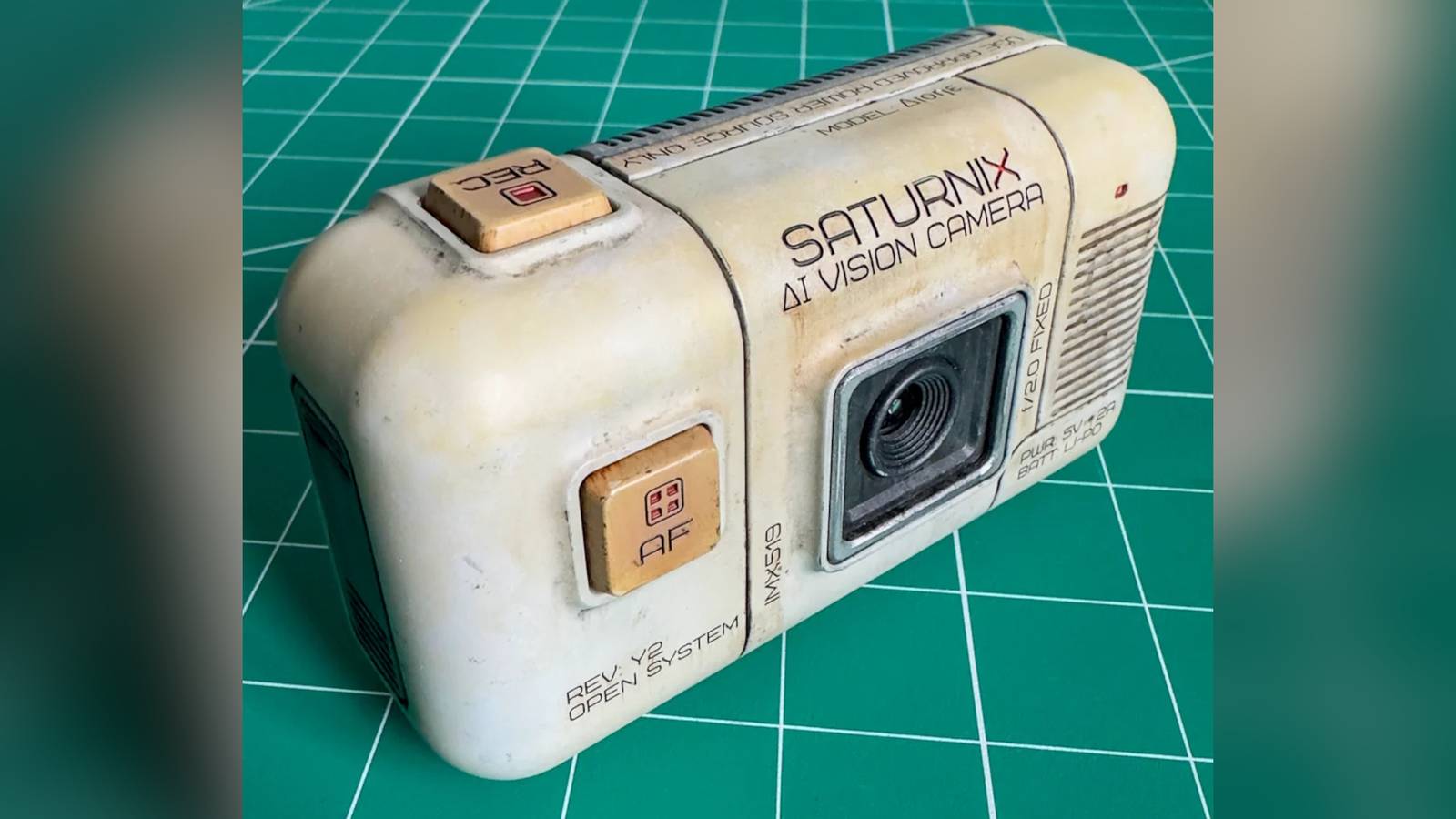
Meet Saturnix, an open-source camera that transforms a Raspberry Pi Zero 2 W into a pocket-sized throwback to 80s photography. Designed for tinkerers and retro enthusiasts, the project takes a credit-card-sized computer and wraps it in a playful, retro-futuristic shell, complete with a flip-out screen and tactile controls reminiscent of vintage camcorders.
The build is deliberately lo-fi: a 5 MP camera module peers through a small lens, while the Pi Zero 2 W handles image capture and preview duties on its 2.2-inch TFT display. Everything runs on free software, letting you compile your own firmware or grab prebuilt images from GitHub. The creator has kept the design modular, so users can swap lenses or even add a viewfinder if they’re feeling adventurous. Early adopters report surprisingly usable 720p video and stills that echo the lo-fi charm of disposable film cameras—minus the wasted plastic.
A long road to release
What began as a work-in-progress in March has finally reached a public beta. The creator cautions that performance can be sluggish when pushing the Pi Zero 2 W’s modest hardware, but the charm lies in the imperfections. Battery life tops out at about two hours with a small Li-Po pack, and the plastic shell is 3D-printed rather than injection-molded, so durability is a DIY concern. Still, the open-source nature means fixes and improvements can arrive from the community faster than any single developer could manage alone.
Why it matters
Saturnix isn’t about raw performance; it’s a deliberate celebration of hands-on creativity in an era of disposable tech. For educators, it’s a low-cost way to teach embedded Linux and computer vision without heavy investment. For hobbyists, it offers a tangible alternative to glossy smartphones, proving that the best camera is the one you build yourself. The project also underscores how open hardware can democratize gadget-making, turning a $15 computer into a statement piece overnight.
Source: XDA Developers. AI-assisted editorial synthesis — TechnoExpress.