

Raspberry Shake turns a Pi into a backyard seismograph
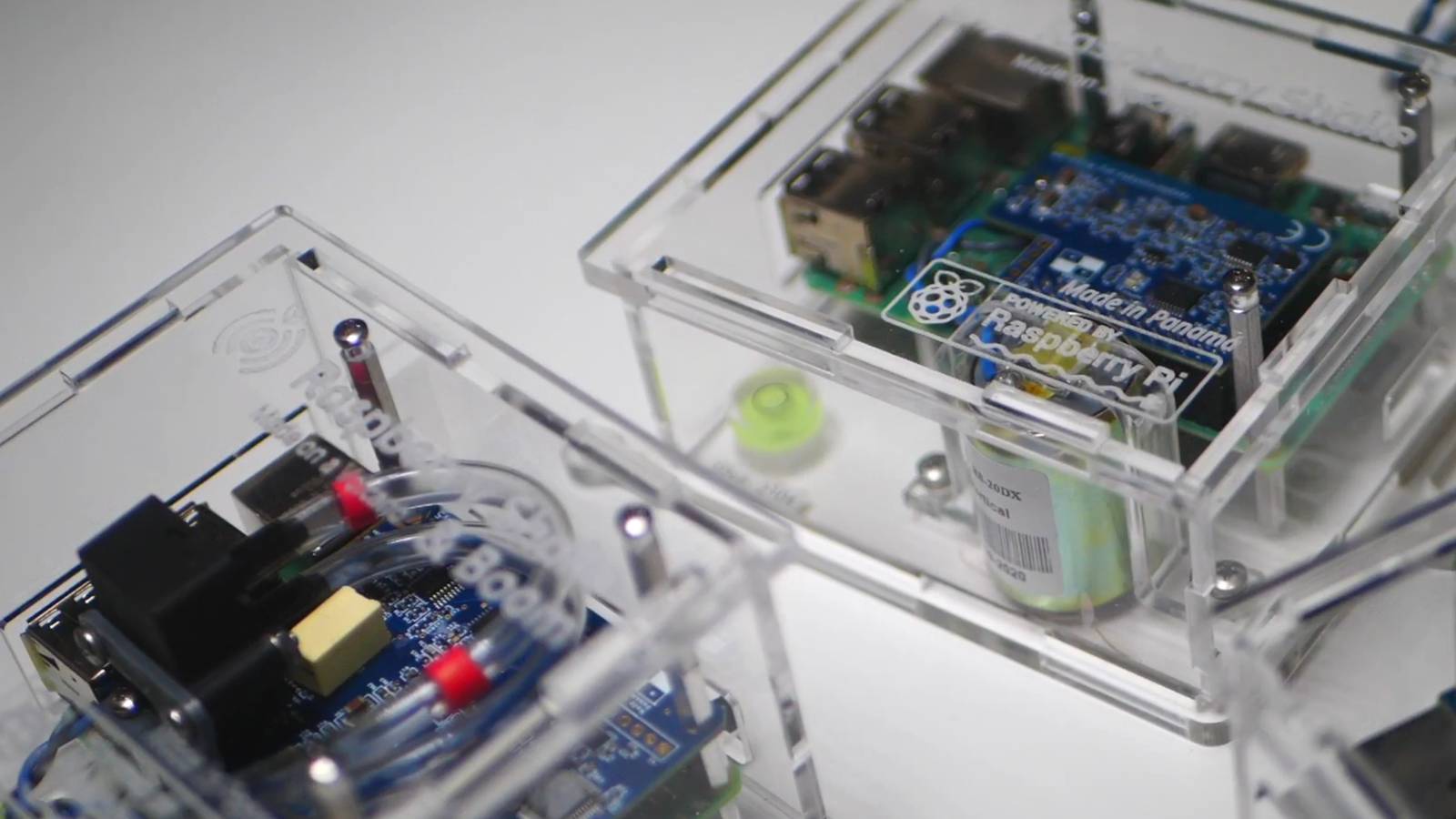
A quiet Raspberry Pi tucked in a spare room can now double as a backyard seismograph. The Raspberry Shake kit combines a single-board computer with a sensitive geophone to turn any desk—or patio—into a node for earthquake monitoring. Once assembled, the device streams real-time ground motion data and can alert you the moment tremors begin, whether they’re distant quakes or the rumble of a passing truck.
From hobby board to scientific sensor
Raspberry Pi hardware has long powered everything from retro game consoles to home automation hubs, but the Raspberry Shake repurposes the platform for seismology. The kit packages a vertical-axis geophone, an analog-to-digital converter, and software that logs vibrations and shares them with the global Raspberry Shake network. Users in earthquake-prone regions can thus contribute to open seismic datasets while keeping an eye on activity in their own backyards. The entire setup is solar-ready, making it practical even where mains power is unreliable.
What you get and what you need
The basic Raspberry Shake 4D kit includes the geophone, ADC board, and a Raspberry Pi Zero 2 W pre-loaded with the monitoring software. Assembly is straightforward: mount the geophone, plug in the ADC, insert the Pi, and power it up. The software automatically detects vibrations above a user-defined threshold and can push alerts to a smartphone or feed data to the public Raspberry Shake map. If you already own a Raspberry Pi 3 or 4, you can buy just the sensor board and reuse your existing hardware.
Why it matters
Citizen seismology is democratizing earthquake science. By lowering the barrier to entry—both in cost and complexity—Raspberry Shake lets individuals contribute verified data to regional networks and global databases. For residents in high-risk zones, the instant alerts can translate to precious seconds of warning. The project also illustrates how commodity hardware can be repurposed for serious scientific work, reinforcing the Raspberry Pi’s role beyond tinkering and into infrastructure.
Source: XDA Developers. AI-assisted editorial synthesis — TechnoExpress.