

Spider-Man: Brand New Day Unveils Hulk and Punisher in Fresh Trailer
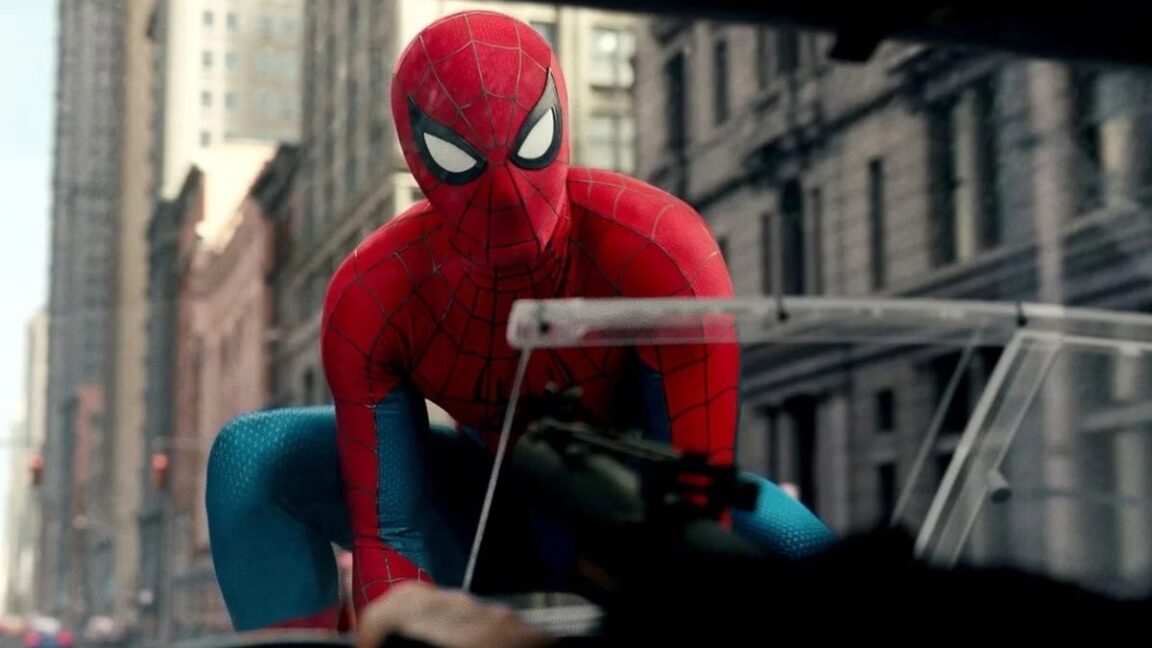
The long-awaited Spider-Man: Brand New Day trailer has dropped, offering a glimpse into the next chapter of Peter Parker’s journey. Six weeks before its release, the film promises to reboot the Marvel hero’s story after the bittersweet ending of No Way Home, which saw Peter erased from existence to protect the multiverse. The new trailer introduces iconic characters like the Hulk and Punisher, signaling a bold shift in the Spider-Verse.
New Characters Join the Web-Slinger
The trailer highlights the Hulk’s return, a rare collaboration between Marvel and Sony, and the Punisher’s unexpected entry into the Spider-Man universe. These additions suggest a darker, more complex narrative, blending superhero action with gritty realism. While details remain scarce, the presence of these characters hints at potential alliances and conflicts that could reshape the Spider-Verse.
A Fresh Start After a Bittersweet Ending
Following No Way Home’s bleak conclusion, Brand New Day appears to embrace a fresh narrative direction. The trailer’s tone balances hope with uncertainty, reflecting Peter’s struggle to redefine his identity without his past. Fans are eager to see how Sony will navigate the aftermath of the multiverse crisis, potentially exploring new dimensions or character dynamics.
What’s Next for Spider-Man?
With the trailer generating excitement, audiences are left wondering how the story will evolve. Will Peter’s erasure lead to a new origin, or will the multiverse’s chaos create unexpected opportunities? As the film approaches its release, the focus remains on how these new characters will integrate into the Spider-Verse, offering both familiar thrills and uncharted territory. For now, the web-slinger’s journey continues, with bigger stakes than ever.
Source: Ars Technica. AI-assisted editorial synthesis — TechnoExpress.