

Ubuntu’s AI push sparks backlash, halting Fedora’s plans
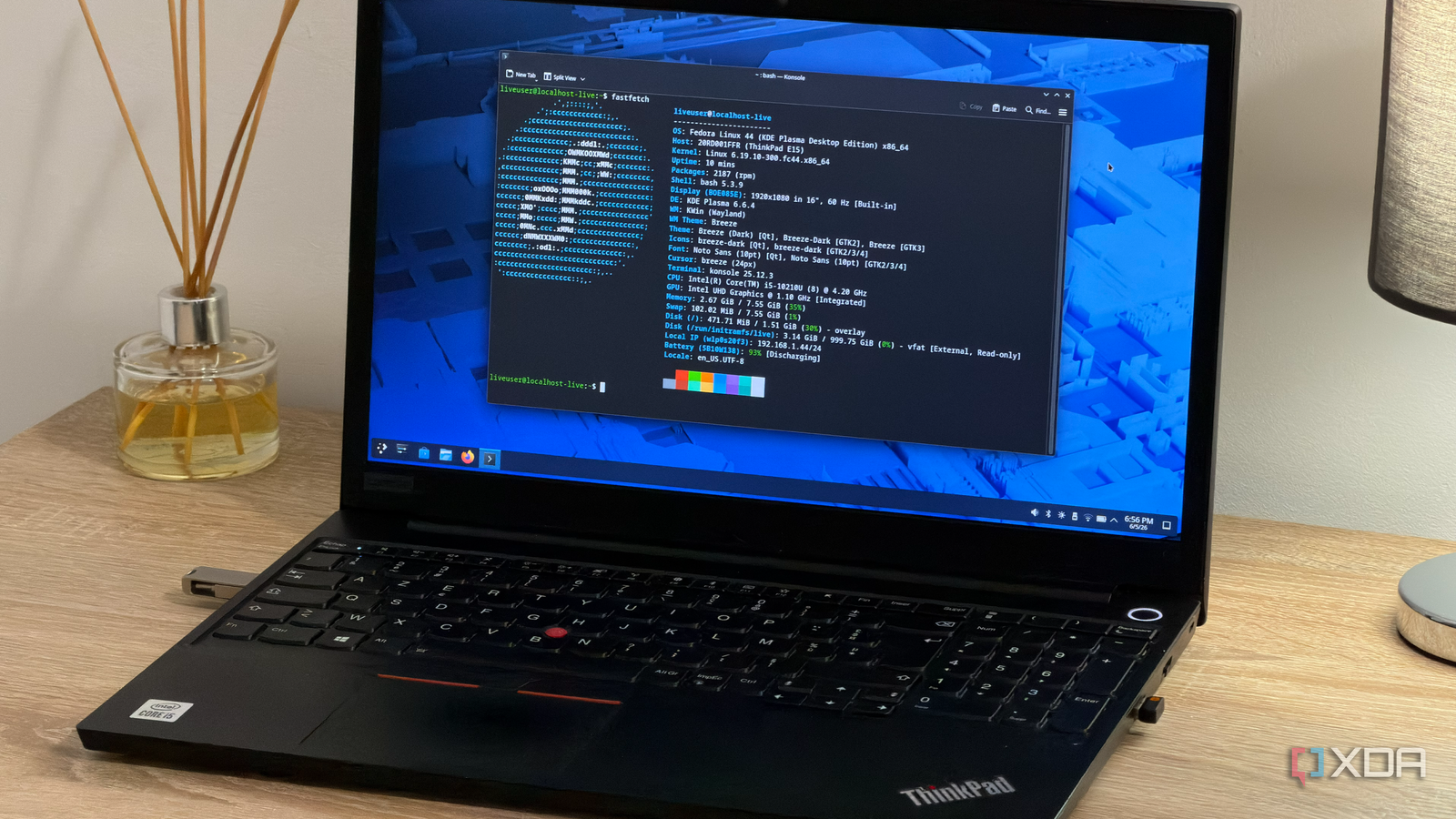
Ubuntu’s latest AI-driven features are dividing the Linux community, prompting Fedora to pause its own AI desktop ambitions. As Ubuntu integrates AI tools like voice dictation and agent-assisted coding, some developers argue the shift prioritizes convenience over transparency and control. The debate highlights a growing tension between innovation and tradition in open-source ecosystems.
A divided response to AI in Linux
Ubuntu’s recent updates allow users to dictate text into any input field using AI, expanding accessibility but also raising concerns about data handling and user agency. Meanwhile, the Linux kernel has already permitted AI-generated code submissions, provided developers take responsibility for their work. These moves signal a broader trend toward AI integration in Linux, but not all users are convinced.
Fedora takes a cautious step back
Fedora, known for its community-driven approach, has signaled a pause in its AI desktop plans following the backlash. The project’s developers are reportedly reassessing how AI tools could fit into their workflow without alienating users who value simplicity and manual control. This hesitation reflects a cautious stance, balancing innovation with the core values of open-source software.
The unfolding situation underscores a critical moment for Linux: whether AI will enhance usability without compromising the principles that have long defined the platform. For now, the community remains engaged in a lively discussion about the future of AI in open-source development.
Source: XDA Developers. AI-assisted editorial synthesis — TechnoExpress.