

One-line GCC tweak delivers 12% speed boost on Intel and AMD
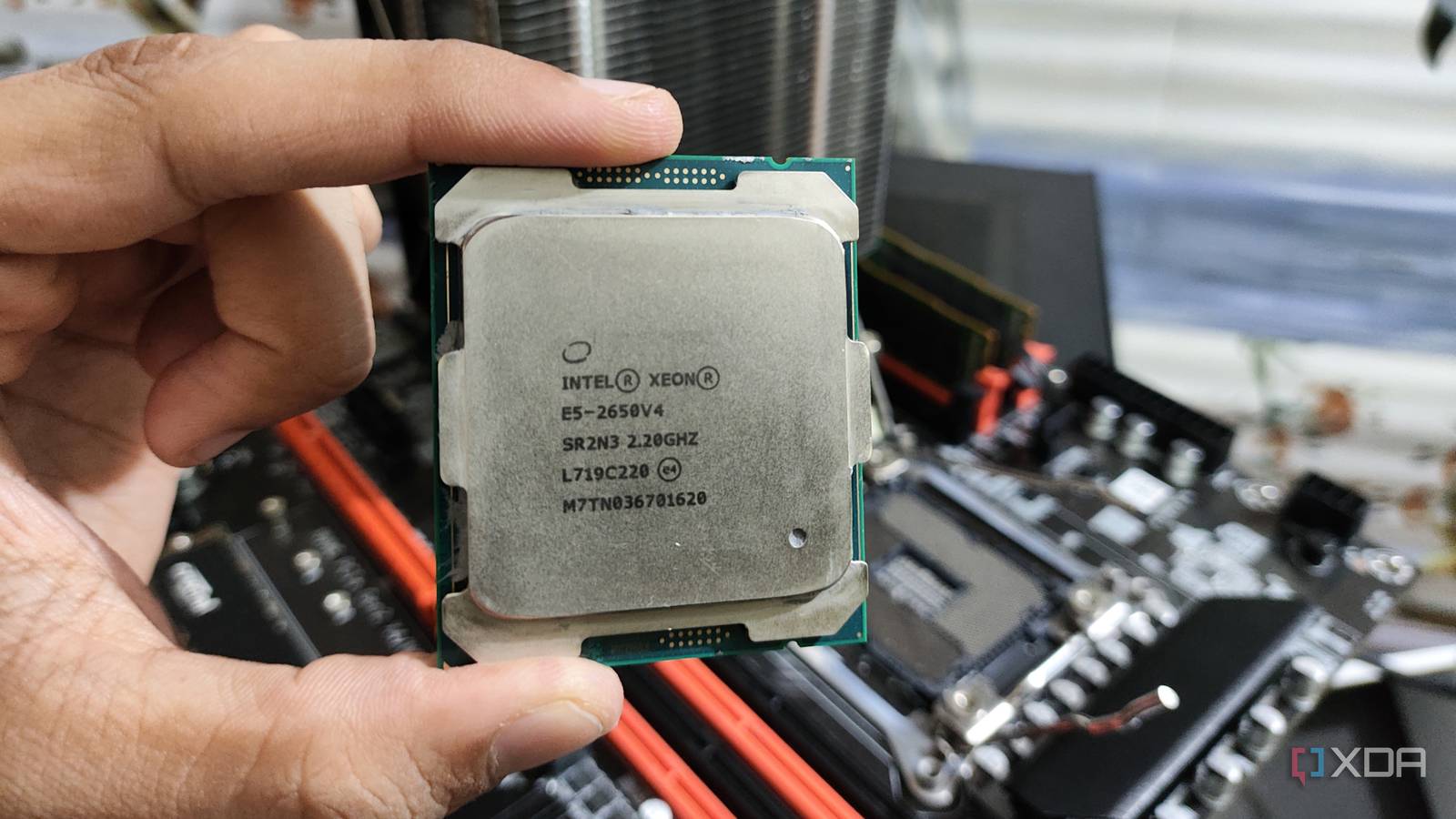
A seemingly minor tweak to the GNU Compiler Collection (GCC) has unlocked double-digit performance gains on today’s top Intel and AMD processors, according to a recent developer submission. The change—just one line of code—pushed scores up by 12% in the SPEC CPU 2017 benchmark suite, a widely used measure of CPU performance across real-world workloads.
A pattern of micro-adjustments with macro impact
This isn’t the first time a small code change has led to significant performance improvements. Earlier this month, another developer revealed that modifying three lines in the Linux kernel resulted in a 5% boost in storage throughput. While both cases highlight how sensitive modern systems are to low-level optimizations, the GCC update stands out for its simplicity and scale. The single-line modification targets how the compiler handles certain vectorized instructions, enabling more efficient use of the CPU’s SIMD (Single Instruction, Multiple Data) capabilities.
What this means for developers and users
For developers relying on GCC to build performance-critical applications, integrating this change could translate into faster executables without requiring hardware upgrades. End users running compiled software—from scientific simulations to video encoding—may see tangible speedups, especially in tasks that heavily leverage the compiler’s optimizations. The submission suggests the improvement is most noticeable on Intel’s Skylake-derived architectures and AMD’s Zen 3 and Zen 4 designs, both of which prioritize efficient instruction scheduling and SIMD throughput.
The change is still under review within the GCC community, but early feedback indicates it could be fast-tracked for inclusion in upcoming releases. If adopted, it would serve as another reminder of how incremental advancements in compiler technology continue to push the boundaries of what modern CPUs can achieve.
Source: XDA Developers. AI-assisted editorial synthesis — TechnoExpress.