

Open-source task manager beats bloated to-do apps, says reviewer
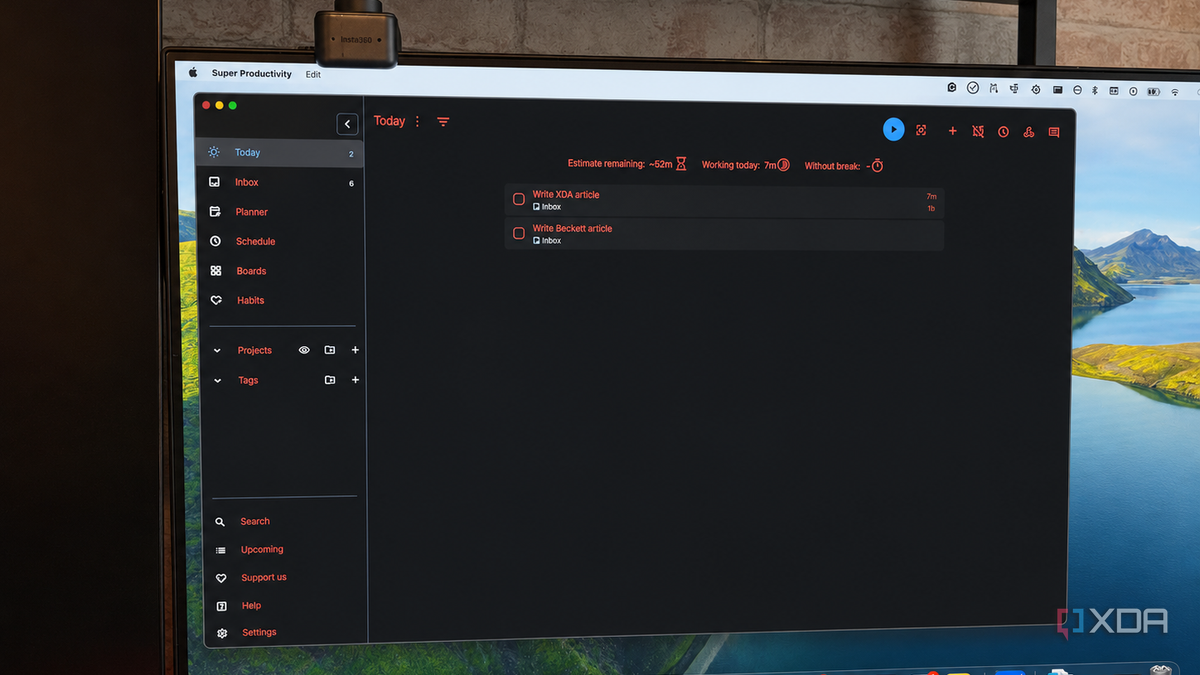
A writer who spent years cycling through mainstream to-do apps has finally landed on an open-source alternative that actually works. After testing Todoist, Any.do, Apple Notes and others, the apps eventually became digital graveyards of ignored tasks. Switching to a self-hosted, open-source option changed the game, the reviewer says, because it stays out of the way and adapts to real workflows instead of forcing a rigid structure.
The curse of feature creep
Most commercial to-do apps start simple, then add calendars, Kanban boards, AI summaries and endless integrations. The result is a bloated interface that demands attention rather than quietly helping you finish work. The reviewer’s old apps became “collections of tasks I didn’t actually use,” a common frustration in productivity circles.
What changed with the open-source switch
The new tool offers a minimalist canvas where tasks live alongside notes, wikis and project boards in one searchable space. Because it’s self-hosted, there are no ads, no forced upgrades and no vendor lock-in. The reviewer also appreciates being able to mold the tool to personal habits instead of adapting to an app’s preset workflow.
Why it matters
Open-source productivity tools are no longer niche experiments; they’re viable alternatives to mainstream apps that prioritize monetization over usability. For anyone drowning in half-finished to-do lists, the switch signals a broader shift: control over your workflow is possible without sacrificing convenience. The real win is reclaiming attention from apps that demand it.
Source: XDA Developers. AI-assisted editorial synthesis — TechnoExpress.